 Overview
 Private Pool & Parking
 Location — Realejo
 Contact the Owners
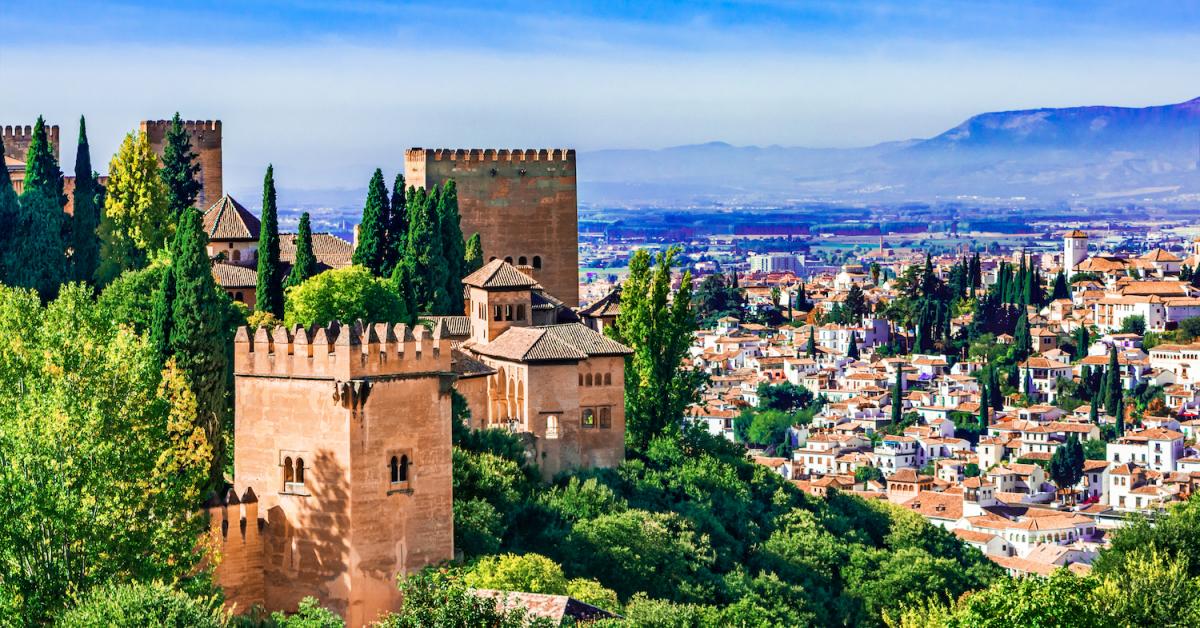
 Alhambra
 Neighbourhoods
 Alpujarras Villages
 Towns Near Granada
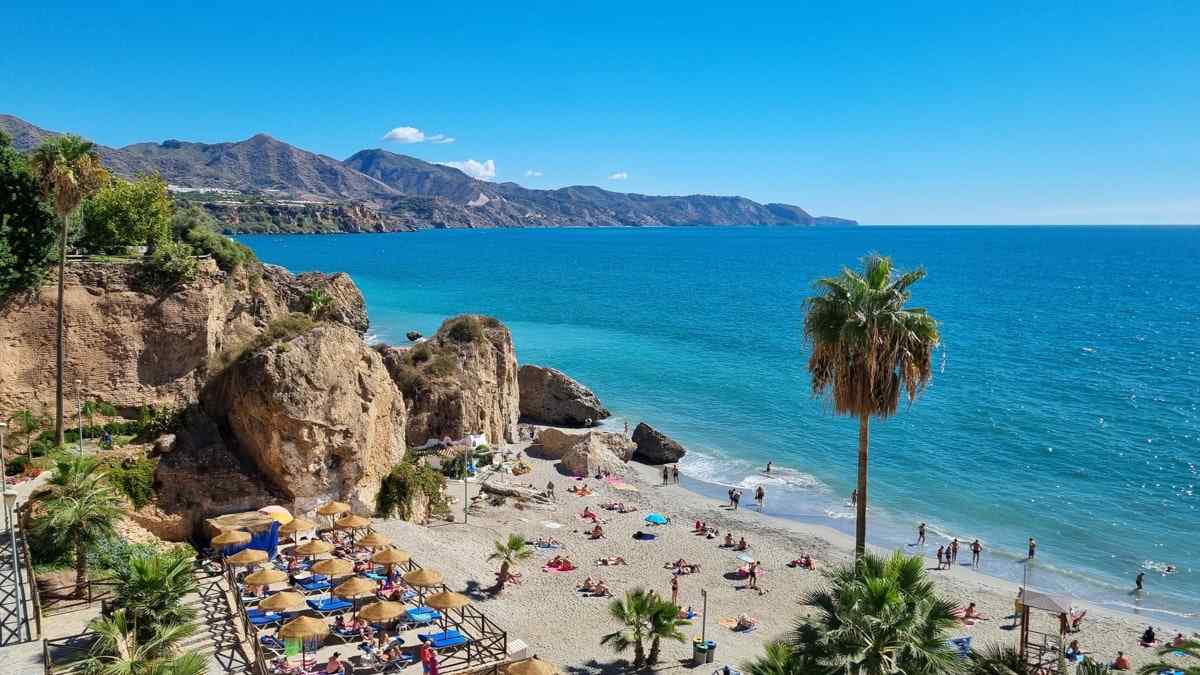 Costa Tropical
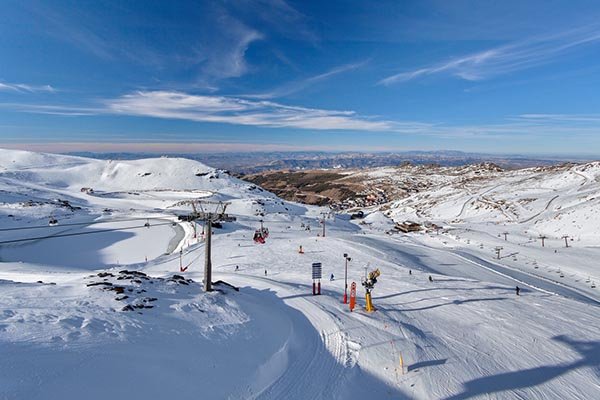 Sierra Nevada
 Terraza 6
Granada in summer is hotter than people expect and better than they think. The afternoons empty the streets. The evenings fill them back up. If you understand the rhythm — mornings for monuments, midday for shade and water, evenings for everything else — you get a version of the city that quieter months can't match.
Summer here also rewards the prepared traveller. The Alhambra books out two months ahead. Restaurants fill up after 9pm. The siesta is real, not a cliché. Get those details right and you spend July or August enjoying the city instead of fighting it.
This is a straight guide to summer in Granada — weather month by month, what to do, what to skip, and how to stay comfortable when the thermometer hits 36°C. No fake enthusiasm, just what works.
Granada's Summer Weather, Month by Month
Granada sits at 738 metres above sea level. That altitude shaves a few degrees off the peak temperature you would get in Seville or Córdoba, and — more importantly — it guarantees cool nights. The heat is dry, not humid. Shade and a hat make a real difference. The numbers below are what you can actually expect during summer in Granada.
June: The Sweet Spot
Average highs run 28–32°C, lows around 15–17°C. Rain is essentially absent — one or two light days at most. The Sierra Nevada usually keeps a faint white cap well into the month, which makes the views from the Realejo and the higher terraces of the Albaicín particularly good.
June is the most forgiving month for first-time visitors. Days are warm without being punishing. Evenings are properly comfortable. If Corpus Christi falls in June (in 2026 it lands around 11 June), the city centre fills with fairground stalls and processions for a week, and accommodation tightens. Worth knowing before you book.
July: When the Heat Arrives
Highs climb to 34–37°C. Lows sit around 19–21°C. Rain is effectively zero. The streets clear between 2pm and 5pm — locals are indoors, businesses shutter for siesta, and walking around the centre at 3pm feels like wading through warm soup.
That said, July evenings are some of the best of the year. By 9pm the temperature drops into the high twenties. Terraces fill up, dinner runs late, and the city stays awake until well past midnight. The trick is matching your schedule to the city's: early starts, midday rest, late dinners.
August: Peak Heat, Peak Crowds
Highs hold at 34–36°C — occasionally higher when a heat dome settles over Andalusia — with lows still in the high teens. Rain remains absent. Many locals leave for the coast, but the tourist crowd is at its largest, particularly around the Alhambra and the main viewpoints.
August has its own appeal. The evening atmosphere is electric — Plaza Nueva, Bib-Rambla and Campo del Príncipe stay buzzing past midnight — and the long daylight hours mean you can fit two or three different parts of the city into a single day if you pace yourself. Just respect the heat. Don't book a midday Alhambra slot. Don't try to walk up to the Mirador de San Nicolás at 3pm. Plan around the sun and the city opens up.
The Summer Rhythm That Locals Actually Follow
Most visitors burn out their first afternoon trying to do everything between 11am and 5pm. Locals don't. The natural shape of a summer day in Granada looks like this:
- 7–11am: Monuments, walking, exploring on foot. The Alhambra at 8:30am is a different experience to the Alhambra at noon — cooler, softer light, and you get out before the worst of the heat.
- 11am–1pm: Coffee, breakfast, a slow visit to a museum. Anything you can do in shade.
- 2–6pm: Pool, nap, lunch at home, reading. This is when the city sleeps. Most non-tourist shops close.
- 7–9pm: Aperitivo. A cold beer and a free tapa somewhere in the Realejo or around Plaza Nueva. The light is gold and long.
- 9:30–11pm: Dinner, properly. Locals don't eat earlier.
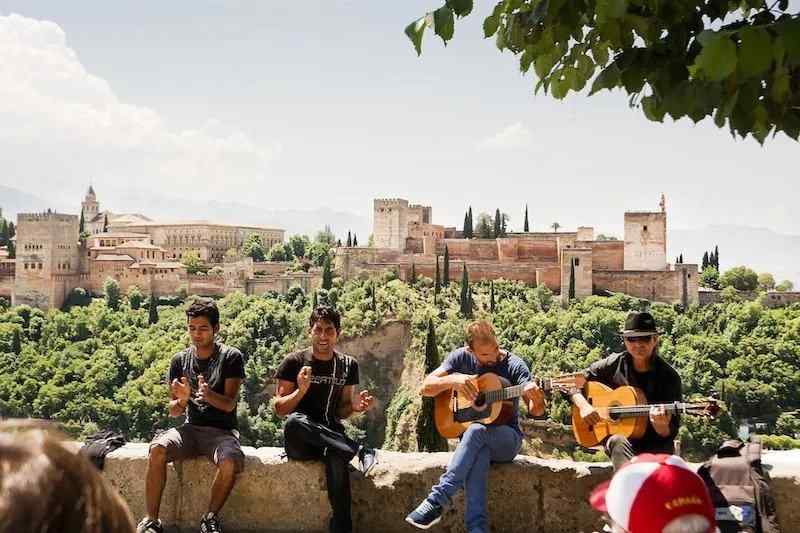
- 11pm–1am: A walk, a copa, maybe flamenco. Streets stay busy.
If you ignore the midday window, you spend your trip exhausted and dehydrated. If you respect it, you get the best parts of the city twice a day — once at sunrise and once at sundown. The siesta isn't laziness. It's an honest response to physics.
Visiting the Alhambra in Summer
Staying in Granada?
A private base with a pool and panoramic terrace
- Private pool and terrace
- No shared spaces
- A location that works well for exploring the city on foot
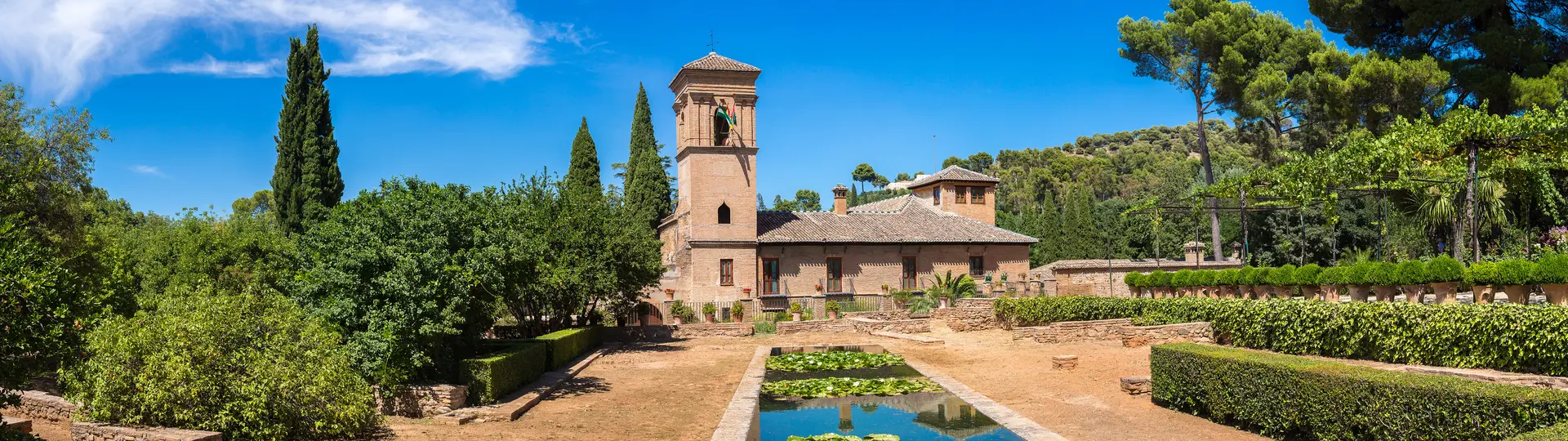
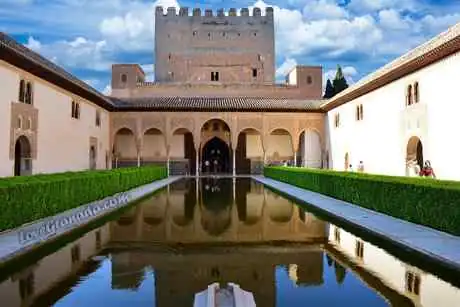
The Alhambra is the single non-negotiable of a Granada trip, and summer makes it more complicated than other seasons. Tickets sell out earlier, the heat in the gardens is real, and the timed entry to the Nasrid Palaces means you cannot just turn up.
Book Early — Really Early
For July and August, buy Alhambra tickets two to three months ahead. For the last week of June and first week of July — when the International Music and Dance Festival is on — go even earlier. The general ticket sells out first; the Generalife-only and garden tickets last longer but skip the highlight.
Go in the Morning
First entry is around 8:30am. Take it. By 11am the courtyards of the Nasrid Palaces are already warm and busy. By noon the Generalife gardens are properly hot and the queue for water at the kiosk is long. A morning visit lets you get back to the apartment for a swim before lunch, which is the right shape for a summer day.
Or Go at Night
Summer also unlocks the nocturnal tickets — separate purchase, limited availability — where the Nasrid Palaces are lit from inside. It's a smaller, slower visit (no gardens) and the heat is gone by then. If you can only get a daytime ticket, the morning is still the better option, but the night version is something to know about.
Skip the Hat-on-a-Stick Approach
Bring a real hat, a real water bottle (refill at the kiosks), and proper shoes. The Generalife paths are gravelly. The shade comes and goes. SPF 50 is the right call at this altitude — UV exposure in July is more aggressive than on the coast.
Evenings in Granada — The Best Part of Summer
The heat lifts around 8pm. From then until midnight, Granada is at its best. This is the part of the summer day that pays back the morning discipline and the afternoon retreat. Three things make Granada evenings worth planning around: tapas, the Albaicín at sunset, and flamenco in Sacromonte.
Tapas, the Granada Way
Granada is one of the last Spanish cities where a drink genuinely comes with a free tapa. Order a caña or a glass of wine for €2.50–€3 and a plate arrives unprompted — often a real one, not a token slice of bread. Cycle through three or four bars and you have eaten without ordering a single thing from a menu.
The Realejo, the streets off Plaza Nueva, and the area around Calle Elvira are the strongest Granada tapas and food zones. Aim for around Campo del Príncipe if you want a square to sit in. Avoid anywhere with a tout outside or a laminated menu in five languages — the real places don't need either.
Albaicín at Sunset
The classic move is to walk up into the Albaicín for sunset. Mirador de San Nicolás is the famous viewpoint, with the Alhambra facing you across the valley and the Sierra Nevada behind it. Arrive 30 minutes before sunset for a spot on the wall — at 9pm in July it can be three deep.
If San Nicolás feels too busy, Mirador de San Cristóbal a bit further up gives a wider panorama with fewer people. Either way, the walk up is steep and cobbled. Wait until the heat has broken — 7.30pm is about right in midsummer.
Flamenco in Sacromonte
The cave shows in Sacromonte run nightly through the summer. This is the home of zambra, the local Romani flamenco tradition — quicker, looser and more intimate than the bigger theatre shows in Madrid or Seville. Shows typically start at 9:30pm or 10pm. Book a couple of days ahead in July and August.
For something closer to the apartment, Jardines de Zoraya on Calle Pavaneras runs a more polished show in a garden setting. Both have their place. Either is a far better way to spend a hot Friday night than another rooftop bar.
Day Trips That Save You From the Heat
One of the underrated facts about Granada is how varied the surrounding terrain is. You can be at a quiet beach in 50 minutes, in a mountain village at 1,200m in an hour, or hiking near the snowline in 45 minutes. On a 36°C day, that geography is genuinely useful.
The Costa Tropical
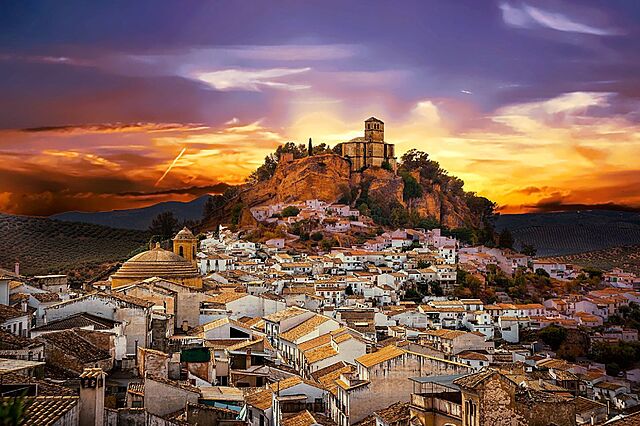
The closest stretch of coast — the beaches near Granada on the Costa Tropical — sits about 65km south, an hour by car. Almuñécar is the biggest of the towns. Salobreña is the prettier one, with a Moorish castle on top of a hill above the sea. La Herradura, between them, has the calmest water.
It's quieter than the Málaga coast and the water is cleaner. You can drive down for a swim, lunch at a chiringuito and a slow afternoon, then be back in Granada in time for an evening walk. Free street parking outside the apartment in the Realejo makes day trips like this easier than they sound.
The Alpujarras
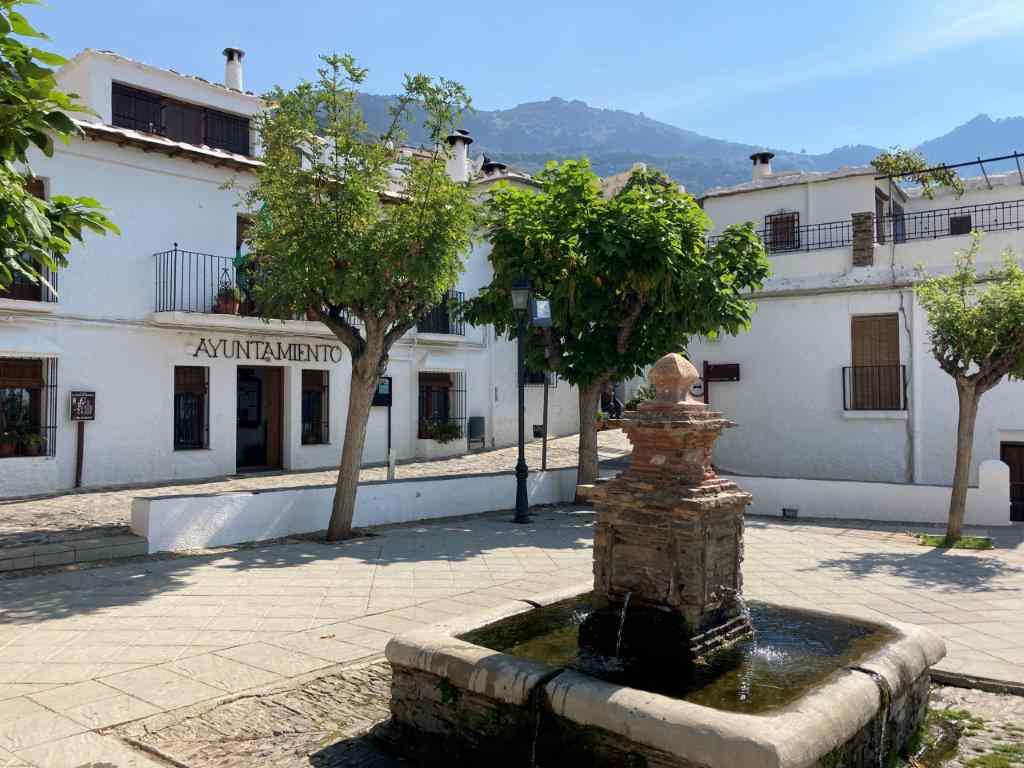
South of the city on the back side of the Sierra Nevada, the Alpujarras are a different climate entirely. Pampaneira, Bubión and Capileira — the classic trio of white villages — sit at 1,000–1,400 metres. The air is cooler, the streets are stone, and a strong jamón serrano lunch comes out the other end of a one-hour drive.
Trevélez, higher up at 1,476m, is famous for air-cured ham. On a really hot day in the city, the Alpujarras can be 8–10°C cooler. That's a meaningful difference.
Sierra Nevada in Summer
The Sierra Nevada ski station is closed in summer but the high-altitude trails are open. From the Pradollano base (32km from the city, about 45 minutes by car), you can hike towards Veleta or Mulhacén. Temperatures at 2,500m in July sit around 15–20°C, sometimes lower. Snow lingers on the highest peaks well into June.
You don't need to be a serious hiker to get value from it. Just driving up for a few hours, walking a high meadow, and driving back down for dinner is a perfectly good day in summer.
Summer Festivals and Events in Granada
Three things to know about. Two of them affect your booking decisions.
International Music and Dance Festival
Late June to early July. Concerts in the Alhambra Palace, the Generalife gardens and the Carlos V Palace — properly extraordinary settings for classical music and dance. Tickets sell quickly. If you're visiting in that window, lock in Alhambra access early, since festival demand spills over into general visiting hours.
Corpus Christi
Sixty days after Easter — so late May or June depending on the year. Granada's oldest public festival, with a feria on the edge of the city, processions through the centre, decorated streets and a bullfighting programme. The city is full of energy and full of people. Book accommodation early if you want to visit during Corpus week.
San Juan (Midsummer)
The night of 23–24 June. Granada itself has fairly low-key celebrations, but the coast — Almuñécar in particular — fills up with bonfires on the beach until dawn. It's a popular night for a drive down to the Costa Tropical if you fancy something noisier than the city offers.
Practical Information
ItemDetailBest monthsJune (warm, comfortable), late September (peak still warm without August crowds)July/August daytime high34–37°C, dry heatJuly/August nighttime low19–21°C — comfortable for outdoor diningAlhambra ticket lead time2–3 months ahead for July/AugustAlhambra best entry slotFirst slot (~8:30am) or nocturnal in summerFlamenco booking1–2 weeks ahead for July/AugustSiesta hours~2pm–5:30pm — many non-tourist shops closedDinner time9:30–11pm is normal locallyClosest coastCosta Tropical — ~65km, ~1 hour by carSierra Nevada basePradollano, 32km from the city, ~45 minEmergency number112
What to Pack for Summer in Granada
The packing list is short and matters. Lightweight clothes you can layer if you stay out past 11pm. A real sun hat, not a baseball cap. SPF 50 — UV is stronger at altitude than people realise. Sunglasses with proper UV protection. Comfortable walking shoes with grip for the cobbled streets of the Albaicín, which are steep and uneven.
A refillable water bottle is genuinely useful — there are public drinking fountains around the city, and the kiosks at the Alhambra refill bottles. Swimwear, obviously, if your apartment has a pool. And a light layer for evenings: even in July, sitting outside in the early hours can feel cool once the dry mountain air settles in.
How to Avoid the Tourist Traps
Some short rules that save evenings:
- Skip restaurants with menus in five languages outside the door. If a tout is calling you in, walk on.
- Order in Spanish where you can — even just una caña, por favor. The tapa that arrives will be more generous.
- Eat where locals eat, when locals eat. 9:30pm is normal. 7pm dinner is a tourist signal.
- Don't pay for tapas you didn't order. The free ones come with the drink. If a place charges, walk out.
- Use the LAC minibuses for the steep streets of the Albaicín if you're tired — they cost less than €2 and save the climb.
Frequently Asked Questions
Is Granada too hot to visit in July or August?
No, but it requires planning. Highs sit around 34–37°C and the middle of the day is genuinely uncomfortable, so you build your day around mornings and evenings. The heat is dry rather than humid, evenings cool reliably into the high teens or low twenties, and accommodation with air conditioning and a pool changes the experience completely. Visitors who match their schedule to the city's natural rhythm — early starts, midday retreat, late dinners — tend to enjoy summer in Granada more than they expected.
What is the best month to visit Granada in summer?
June is the most forgiving. Highs are typically 28–32°C, evenings are properly comfortable, and the Sierra Nevada still has snow on it. July and August are hotter and busier, but they have the strongest evening atmosphere and the longest daylight hours. If crowds matter more to you than heat, June or early September are the better bets. If you want the full electric summer atmosphere, accept the heat and visit in July.
How far in advance should I book Alhambra tickets for summer?
Two to three months ahead for July and August. Longer if your visit coincides with the International Music and Dance Festival in late June or early July. Tickets go on sale through the official Patronato de la Alhambra site and the general ticket sells out first. Don't rely on day-of availability — it almost never exists in summer.
Do I need air conditioning in Granada in summer?
For sleeping, yes — in July and August. Nighttime lows in the high teens or low twenties sound mild but a flat that has baked all day stays warm well after midnight. Air conditioning in the bedroom and living room is the realistic minimum for comfortable summer sleep in a Granada apartment. Fans alone are not enough during a heatwave.
Is it worth doing a day trip to the coast from Granada?
Yes, particularly on a really hot day. The Costa Tropical is about an hour south by car and the water is cleaner and quieter than the Málaga coast. Almuñécar, Salobreña and La Herradura are the main towns. A morning drive, a swim, a long lunch and a drive back in time for the evening is a realistic shape for the day. Having parking at your apartment makes it considerably easier.
What time should I eat dinner in Granada in summer?
Most locals eat between 9.30pm and 11pm. Restaurants serving real Granada food often don't get busy until 10pm. Eating earlier is fine, especially with children, but the atmosphere on the terraces is at its best after 9.30pm when the heat has lifted. If you want a table at a popular spot in July or August, a quick reservation in the morning is enough.
Can you swim in the Sierra Nevada in summer?
Not really — you go for the cool air and the altitude, not the water. The high lakes are tiny and cold. What the Sierra Nevada gives you in summer is escape: temperatures 15–20°C at 2,500m, open hiking trails, and a 45-minute drive back to the city in time for dinner. If swimming is the goal, the Costa Tropical is the right call.
Staying nearby: Terraza 6
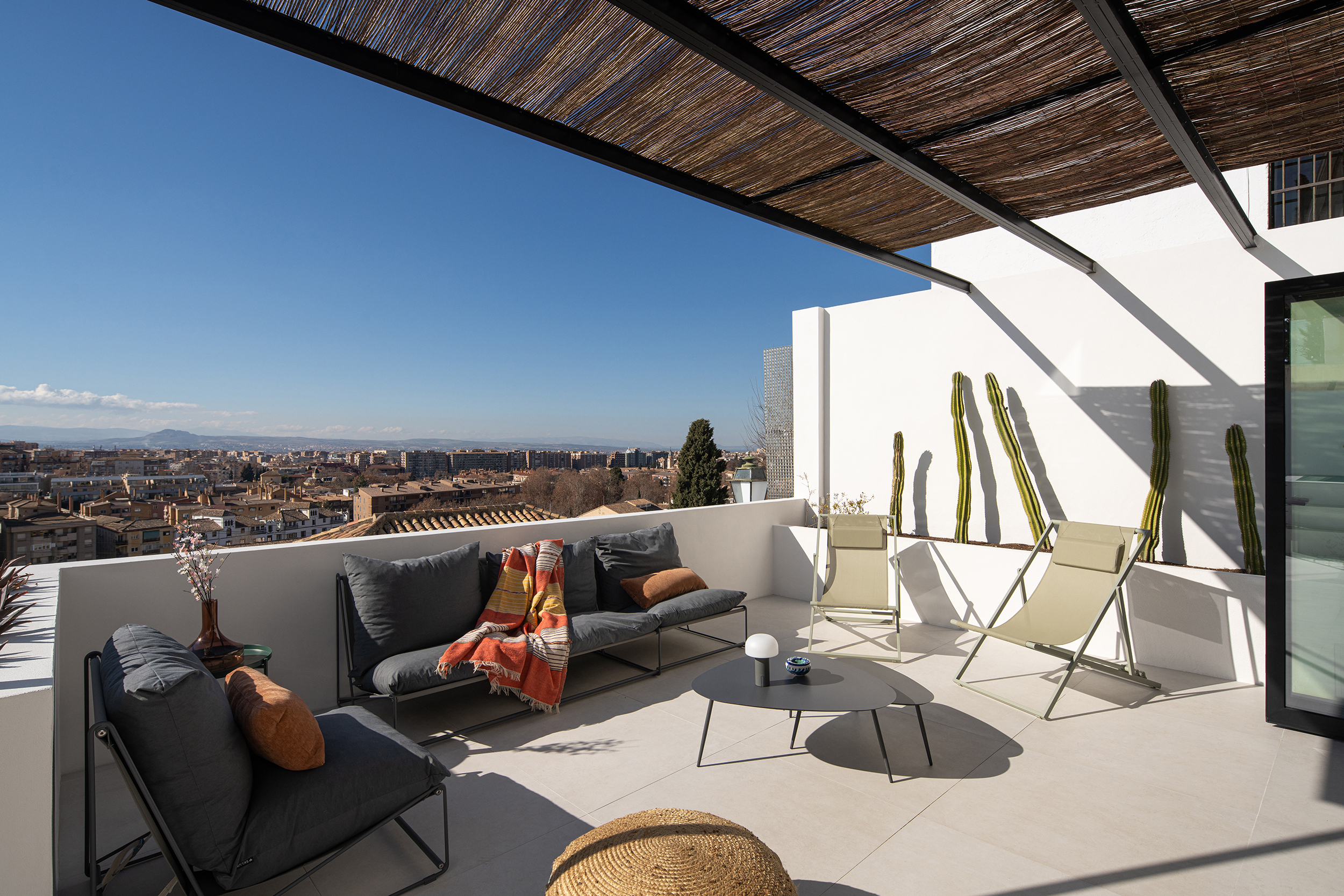
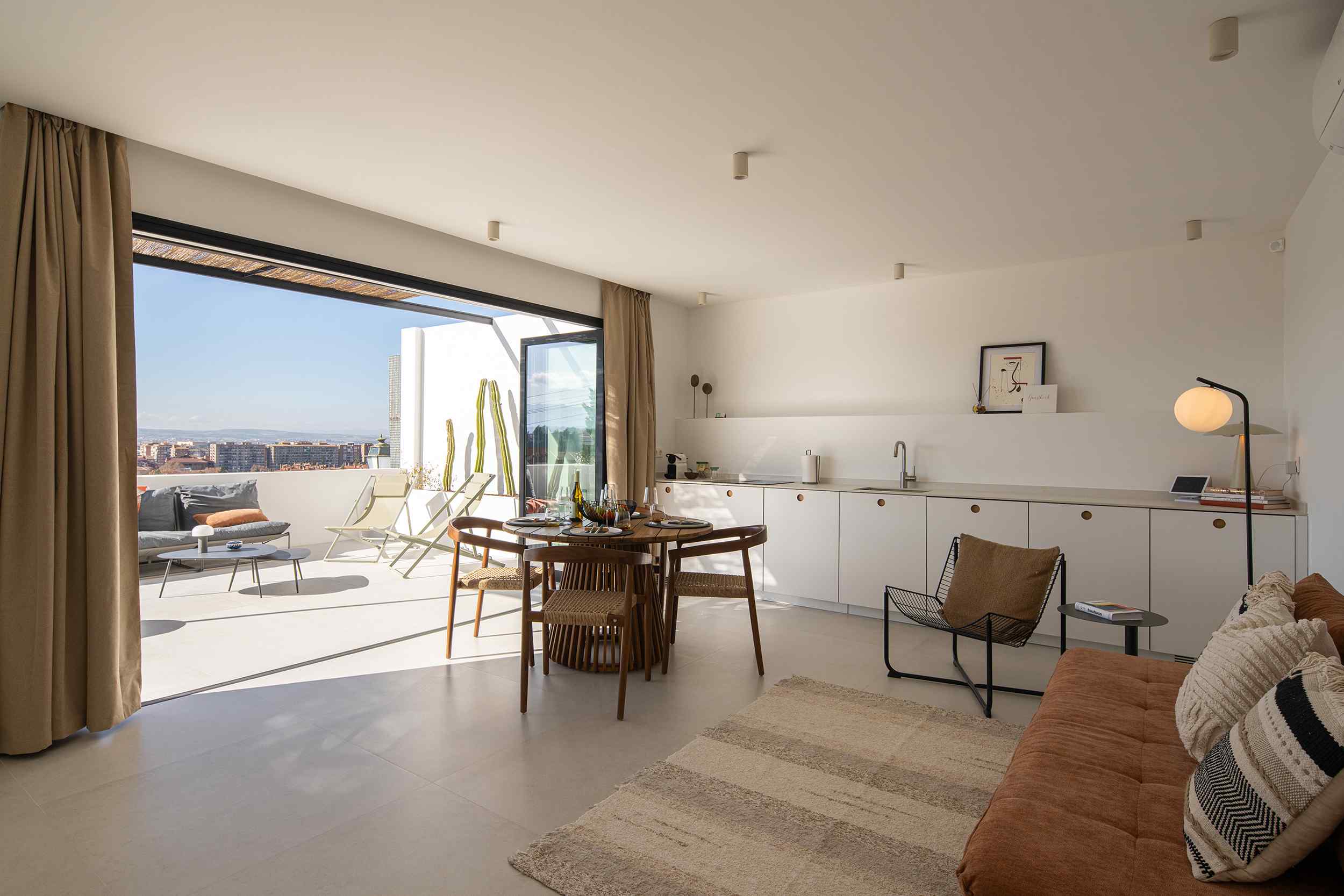
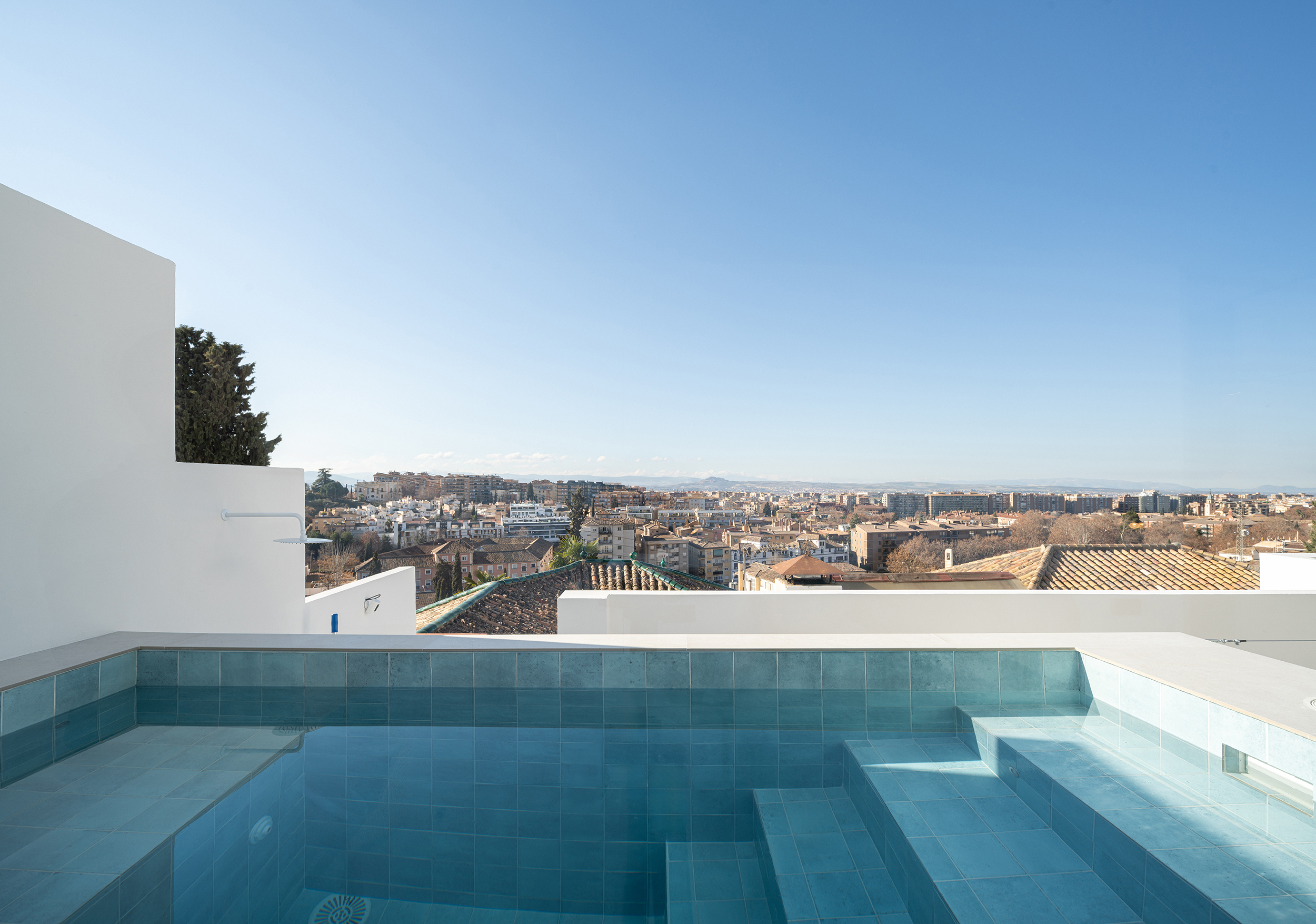
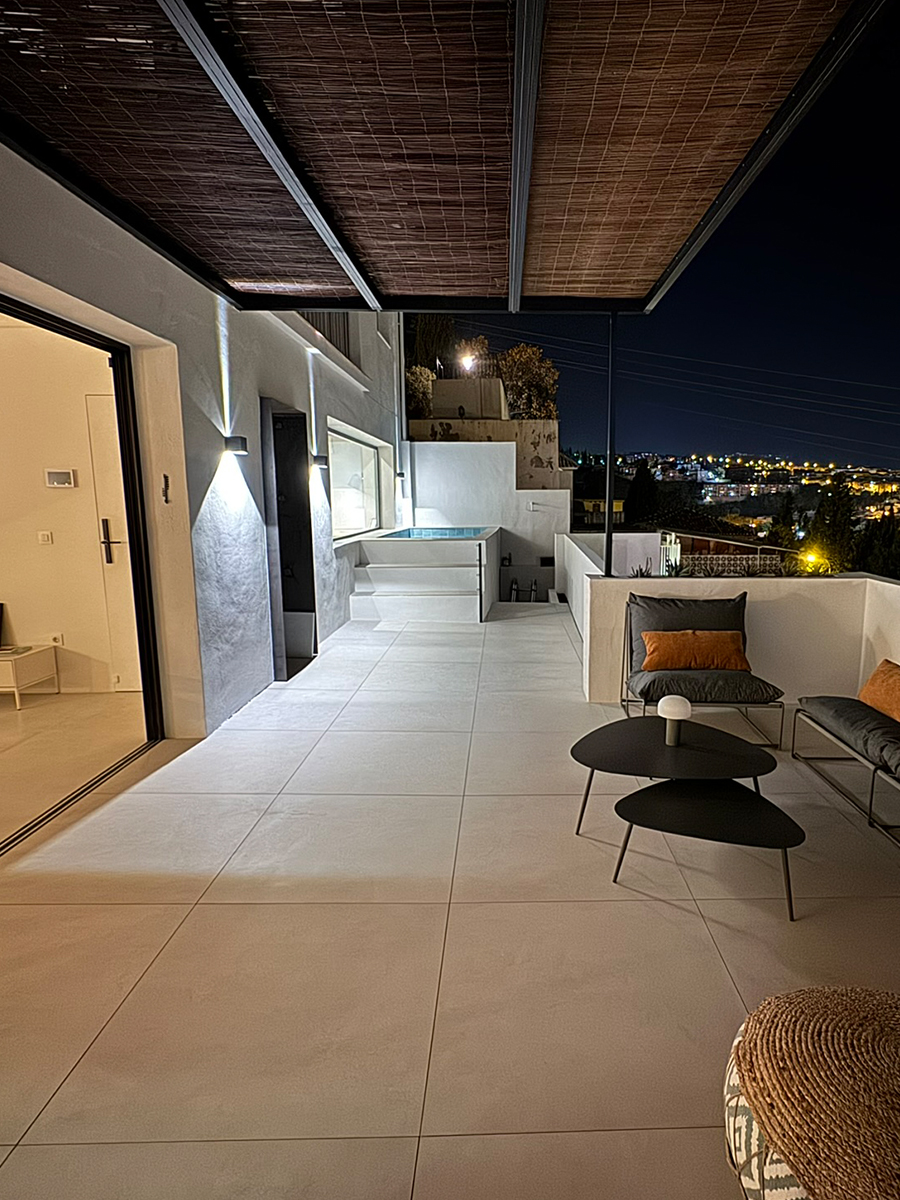
The summer version of Granada is much better with a private pool and proper air conditioning. Terraza 6 sits in the Realejo, the old Jewish quarter on the same hillside as the Alhambra. The apartment has its own pool with an outdoor shower for exclusive use, a large private terrace with Sierra Nevada views, and air conditioning in both the bedroom and the living room — the three things that actually matter when the city hits 36°C.
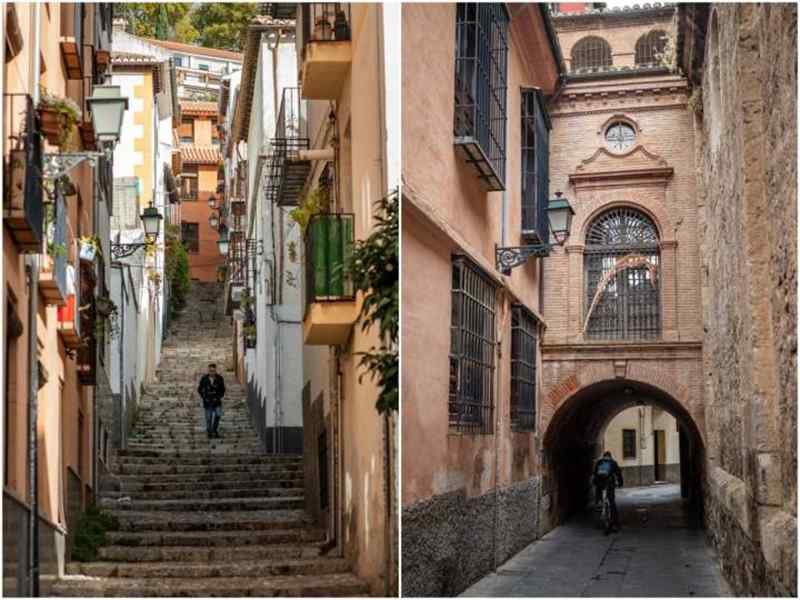
The location works with the summer rhythm. Calle Villar Yebra is a quiet residential street with no through traffic. The Alhambra is about 900 metres away — close enough for an early morning visit on foot. Campo del Príncipe, the Realejo's main square and one of the best tapas zones in the city, is a five minute walk. Free street parking directly outside makes day trips to the coast or the Alpujarras straightforward. A full kitchen with a Nespresso machine, dishwasher and oven means you can shape a sensible summer day around breakfast at home, midday retreat, and dinner out.
If you're planning summer in Granada and want a base that's designed for the heat, book direct at terraza6.com for the best rate.