 Terraza 6
July 14, 2026
11 min read

The short answer is no — Granada's historic centre is compact and walkable. But for the Sierra Nevada and Alpujarras, a car changes everything.
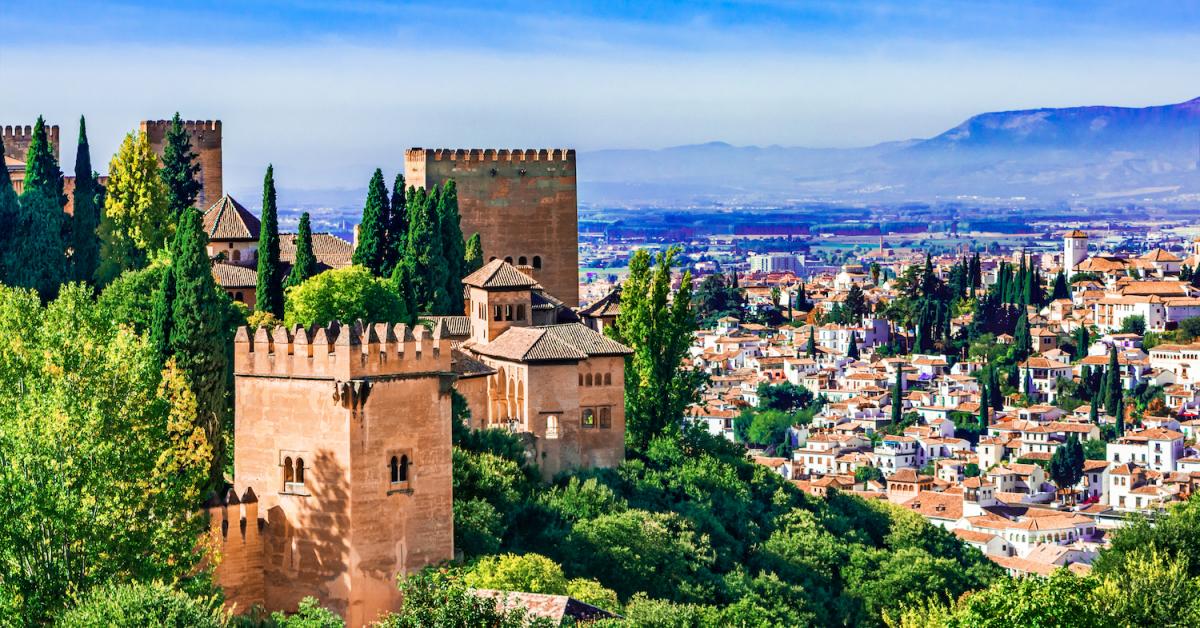
Granada is one of the most walkable cities in Andalucía. The historic centre — where the Alhambra, the Albaicín, the cathedral, the tapas bars, and the Realejo all sit — covers roughly 1.5 km from edge to edge. You can walk from your apartment to the Alhambra gates, the Albaicín, and back again without ever needing a car. In fact, most of those routes are pedestrianised — cars physically cannot access them.
That said, the honest answer has a second part. For day trips, a car changes what is possible. The Sierra Nevada, the Alpujarras villages, and Granada's Costa Tropical coast are all within an hour's drive. Getting there by public transport involves patience, limited schedules, and a fair amount of waiting around. If those destinations are on your list, renting a car for one or two days is worth considering.
Here is a clear-eyed look at what you can do without a car in Granada, what you gain with one, and how to think about transport for your trip.
The historic centre is compact. Most of what you came to see is within a 20-minute walk of each other. From the Realejo — the old Jewish quarter at the southern edge of the centre — the cathedral district is about 10 minutes on foot, the base of the Albaicín around 15 minutes, and the Alhambra entrance 15 to 20 minutes uphill.
Uphill is the operative word. Granada's topography is beautiful but uneven. The Albaicín climbs steeply through narrow cobbled lanes, and the path to the Alhambra involves a steady climb via the Cuesta de Gomérez. On a cool morning that walk is a pleasure. On a July afternoon, you will want the bus.
For the flat parts of the city — Gran Vía, the cathedral area, Realejo, the university district — walking is fast and easy. The old-town streets are largely car-free anyway, so you are navigating lanes designed for people rather than traffic. There is genuinely no faster way to get around the centre than on foot.
One practical note: comfortable shoes matter more in Granada than in almost any other Andalucían city. The cobblestones in the Albaicín and Sacromonte are steep and uneven. Anything with a hard sole and no grip will slow you down and make your legs ache by day two.
Granada's urban bus network covers the whole city. For visitors staying in the historic centre, a few lines matter most. The LAC bus (line C34) — commonly called the Alhambra Bus — runs from Gran Vía de Colón up to the Alhambra. It is the sensible option when the midday heat makes the uphill walk unappealing. A single ticket costs around €1.40; you can buy multi-journey cards to bring the per-trip cost down further.
Lines C3 and C4 wind through the Albaicín. They are small minibuses — the lanes up there are too narrow for full-size vehicles — and they run fairly frequently during the day. Service thins out in the evenings. For most of your Granada stay, you will rarely need the bus. It earns its keep on hot summer days, when you are carrying luggage, or when you need to reach the outer neighbourhoods.
Taxis in Granada are plentiful and reasonable by Western European standards. A ride across the city centre costs roughly €6 to €8. From Granada Airport (GRX) to the centre, expect to pay €25 to €35. The TaxiGranada app works reliably, or you can hail one on any main street. If you are out late and the bus frequency has dropped — or if you are travelling with luggage — a taxi is the straightforward call.
BiciGranada is the city's docked bike-share scheme, with stations spread across the centre and residential areas. It works well on flat terrain. The Albaicín and much of the Realejo involve enough of a climb that a standard bike requires genuine effort. Several shops in the centre hire electric bikes — a considerably better option if you want to cycle the hillier parts of the city without arriving everywhere exhausted.
Staying in Granada?
Here is something most visitors do not realise until they arrive: you cannot drive through most of the historic centre. Large sections of the Albaicín, the cathedral district, and the main tourist core sit inside a Zona de Tráfico Restringido (ZTR) — a restricted traffic zone. Roads are either pedestrianised outright or limited to residents with permits. A sat-nav may try to route you through these areas; do not follow it unless you want to be turned back at a barrier or receive a fine in the post.
Outside the ZTR, paid underground car parks exist near the cathedral, around Recogidas, and along Camino de Ronda. Expect to pay roughly €15 to €25 per day. That is manageable for a night or two, but it adds up over a longer stay — and none of those car parks are particularly close to the Alhambra or Albaicín.
Free central parking is nearly non-existent. It exists in outer residential neighbourhoods — Zaidín, Chana, Beiro — but those are a 20 to 30-minute walk from the tourist core, which defeats the purpose entirely.
The Realejo is the exception. It sits at the edge of the ZTR rather than inside it, on regular streets with normal road access. Some streets here have free residential parking — unusual enough in central Granada that it genuinely matters if you are arriving by car or planning car-based excursions during your stay.
This is where the calculation changes. Granada's surroundings reward a car in a way the city itself does not. The mountains, the white villages, and the coast are all close — but they are built around roads rather than railways. Here is an honest breakdown of the main day trips.
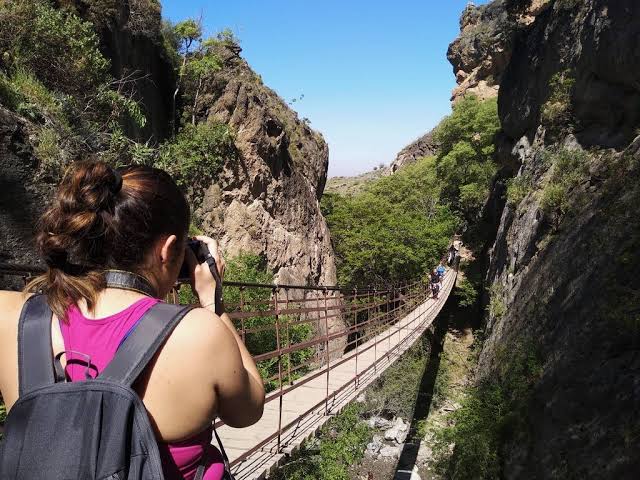
The Sierra Nevada is 45 minutes from Granada on the A-395. In winter, SN buses run from Granada's main bus station up to Pradollano (the ski resort base). Out of season, those services shrink dramatically or stop altogether. The upper reaches of the sierra — the hiking routes above 2,500 metres, the high-altitude road to Veleta — are essentially unreachable by public transport once the ski buses are not running.
If hiking or skiing in the Sierra Nevada is on your agenda, rent a car for that day. You will gain two to three hours of useful mountain time compared to piecing together transport, and you can choose your trail start rather than being dropped at the resort base.
The Alpujarras — the white villages strung along the southern slopes of the Sierra Nevada — are about an hour's drive on the A-44 and A-348. ALSA buses reach some of them: Lanjarón, Órgiva, and occasionally Pampaneira. But frequency is limited to one or two departures a day on several routes. Getting to Trevélez — the highest permanently inhabited village in Spain — by bus and back in a single day is technically possible but requires tight timing and a lot of patience.
By car, you can loop through Lanjarón, Pampaneira, Bubión, Capileira, and Trevélez comfortably in one day, stopping where the mood takes you. If the Alpujarras are a priority, a car for that day is not optional — it is simply the practical choice.
Granada's coastline — Almuñécar, Salobreña, La Herradura — sits about an hour south on the A-44. These beaches have a subtropical microclimate that makes them worth the drive. ALSA runs reasonably frequent coaches from Granada bus station to Almuñécar and Salobreña; the journey is around 1 hour 15 minutes. If you are picking one beach town and staying put for the day, the bus works fine. If you want to move between beaches, reach the smaller coves, or explore La Herradura (which has more limited bus service), a car gives you the flexibility to do it properly.
Do not drive. ALSA runs direct coaches from Granada to both cities, and Renfe trains connect via Antequera. Córdoba is about 2.5 hours by coach or train; Seville around 3 hours. Driving adds fuel costs, motorway tolls in some sections, and parking stress at the other end — with no real time advantage. The coach is the better option, plainly.
Ronda is roughly two hours by car on the A-92. ALSA buses exist but require a change, stretching the journey to three hours or more. A car makes Ronda a comfortable day trip; without one it becomes a long, slightly awkward day. The drive across the Andalucían hills is decent in its own right. Worth renting if Ronda is firmly on your itinerary.
All major rental companies — Europcar, Hertz, Avis, Enterprise — have desks at Granada Airport (GRX), about 15 km west of the city. City-centre offices also exist; Europcar has one on Calle Arabial, with others nearby. Renting from the airport is often cheaper and means you avoid navigating into the centre on your first day, though it adds a step if you are not flying in.
The sensible approach for most visitors: do not rent a car for your whole stay. A car parked in central Granada is more obstacle than asset — restricted zones, narrow streets, limited and expensive parking. Instead, book the car for one or two specific days tied to your excursions. Sierra Nevada one day, Alpujarras another. That combination gives you a walkable city base most of the time, and full flexibility when you head into the mountains.
If you are staying somewhere with street parking — the Realejo, for instance — you can leave the car outside, walk the city on foot for the rest of your trip, and simply get in on excursion days. This approach is far less stressful than trying to manage a car every day in a historic Andalucían city centre.
Granada Airport (GRX) is small, straightforward to navigate, and about 15 km west of the city. You do not need a hire car to get from the airport to the centre. The airport bus — operated by ALSA/Autocares J. González — runs to the city centre for around €3 and takes 30 to 45 minutes depending on traffic. It drops near Gran Vía de Colón, within easy walking distance of most central accommodation.
Taxis from the airport cost approximately €25 to €35 and take about 20 to 25 minutes. Many visitors take the bus in and a taxi out on the day they leave — both work without any issues. There is no reason to book a hire car just for the airport transfer.
TopicDetailHistoric centre size~1.5 km across; most sights within 20-min walkLAC/Alhambra Bus (C34)Gran Vía → Alhambra; ~€1.40 per tripCity bus single ticket~€1.40; multi-journey cards availableTaxi across city centre~€6–€8Taxi from airport (GRX)~€25–€35; ~20–25 minAirport bus to centre~€3; 30–45 min to Gran VíaBiciGranada bikesDocked scheme across city; best on flat routesZTR restricted zoneHistoric core — cars cannot enter without resident permitCentral paid parkingUnderground garages ~€15–€25/daySierra Nevada drive~45 min on A-395Alpujarras drive~1 hr on A-44/A-348 to LanjarónCosta Tropical drive~1 hr on A-44 south to AlmuñécarCar hireAll major companies at GRX airport and city-centre offices
No — not for the city itself. Granada's historic centre is compact and largely pedestrianised. The Alhambra, Albaicín, Sacromonte, Realejo, and cathedral district are all reachable on foot, by local bus, or by taxi. A car becomes useful — and in some cases close to necessary — if you want to explore the Sierra Nevada outside ski season, the Alpujarras villages properly, or several points along the Costa Tropical coast in one day.
Yes. The historic centre is one of the more walkable in Spain. Everything most visitors come to see sits within a 20-minute walk, served by a reasonable city bus network and plentiful taxis. The main challenge is the hills — the Albaicín and the approach to the Alhambra involve real climbs — but the local bus handles both when the heat or your legs demand it.
Most of the historic centre sits inside a restricted traffic zone where visitors cannot park. Outside the ZTR, paid underground garages near the cathedral and Camino de Ronda area charge roughly €15 to €25 per day. Free street parking in central Granada is almost non-existent — it exists only in outer residential neighbourhoods that are not practical for tourists. The Realejo is an exception, with some free street parking on residential streets at the edge of the centre.
The airport bus (ALSA/Autocares J. González) runs to the city centre for around €3 and takes 30 to 45 minutes, dropping near Gran Vía de Colón. Taxis cost approximately €25 to €35 and take about 20 minutes. There is no need to hire a car to get from the airport to the centre — the bus and taxi options are both simple and reliable.
There is a road up toward the Alhambra via the Cuesta de Gomérez, but parking is extremely limited and not a reliable plan. The LAC Alhambra Bus (C34) from Gran Vía is the practical choice if you do not want to walk up. From the Realejo, the walk to the Alhambra entrance takes around 15 to 20 minutes and is a perfectly reasonable way to start the day.
For the Sierra Nevada and Alpujarras, yes — a car is clearly the better option. Bus services to both are limited, especially outside the ski season, and a car lets you visit multiple villages or trailheads in a single day rather than being tied to a handful of connections. For Córdoba and Seville, no — the coach and train are faster and cheaper. For the Costa Tropical, it depends: the bus works fine for a single town, but a car opens up more of the coastline.
ALSA buses run from Granada bus station to Lanjarón, Órgiva, and some further villages, but frequency is limited — typically one or two services a day on certain routes. Getting to multiple Alpujarras villages in a single day without a car is very difficult. A hire car for that specific day, or an organised day tour from Granada, is the practical solution for exploring the area properly.
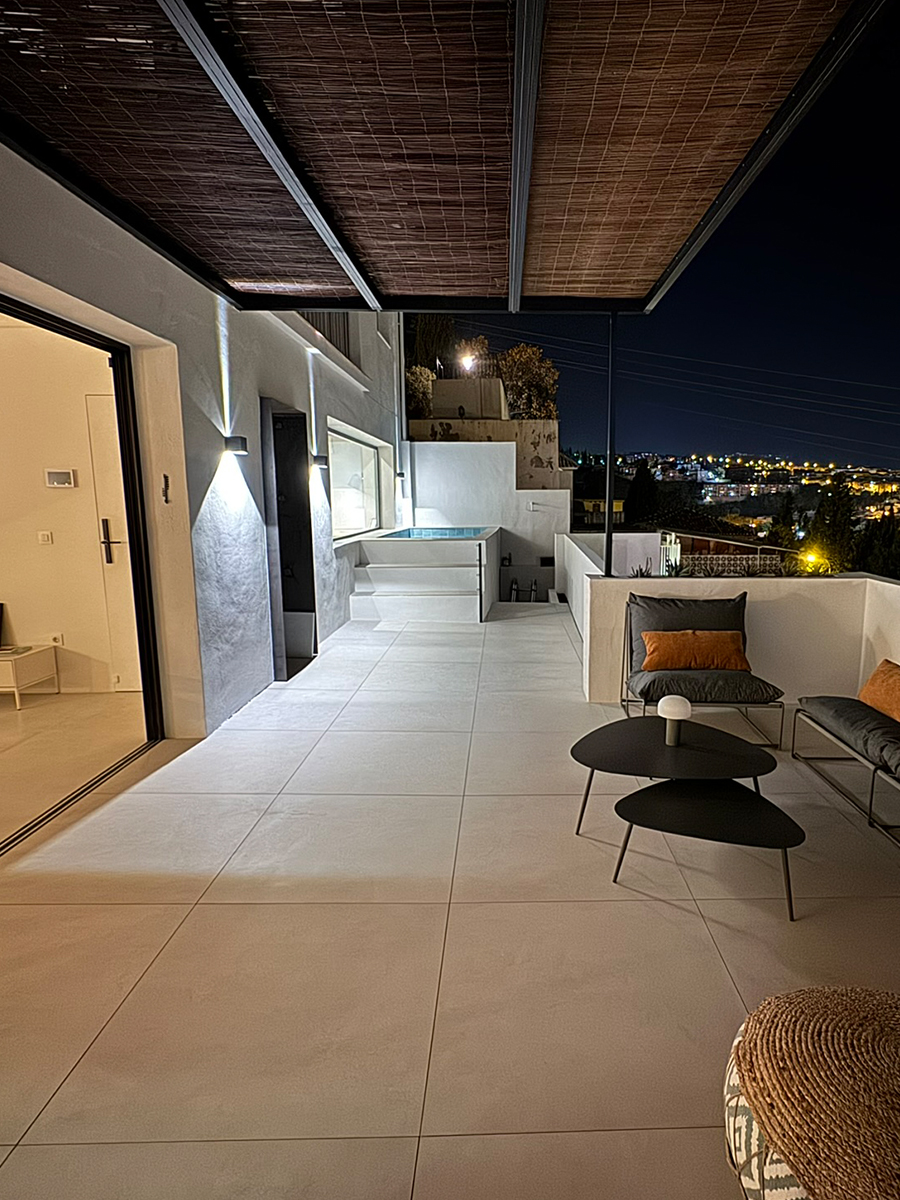
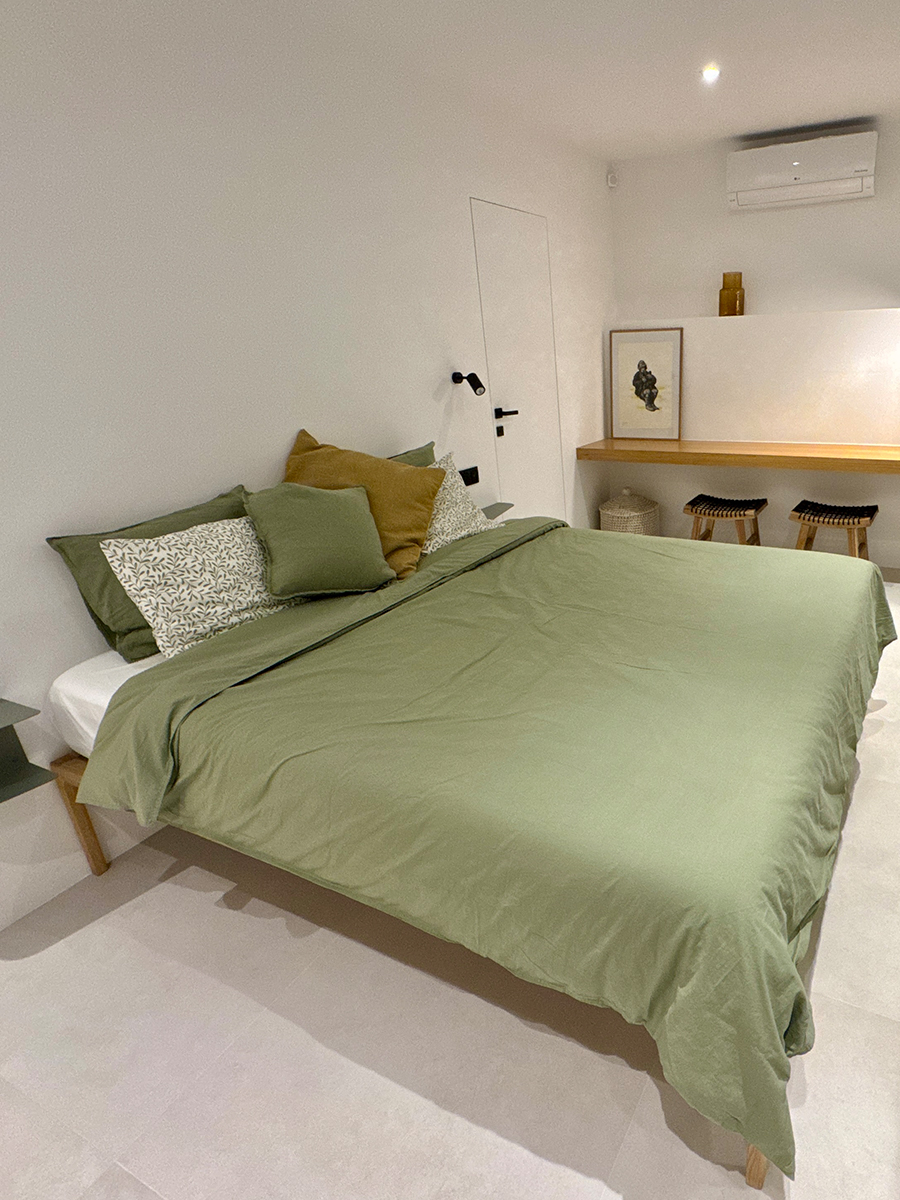
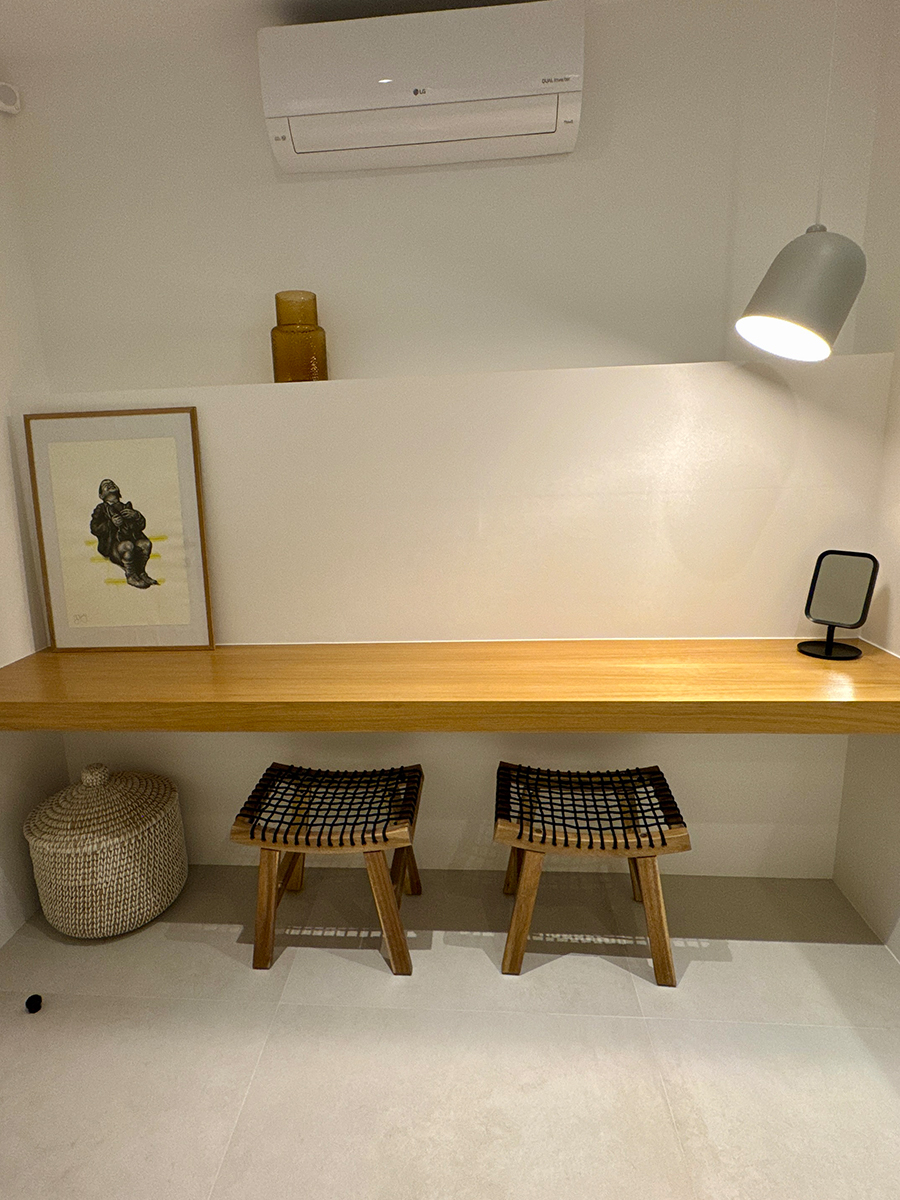
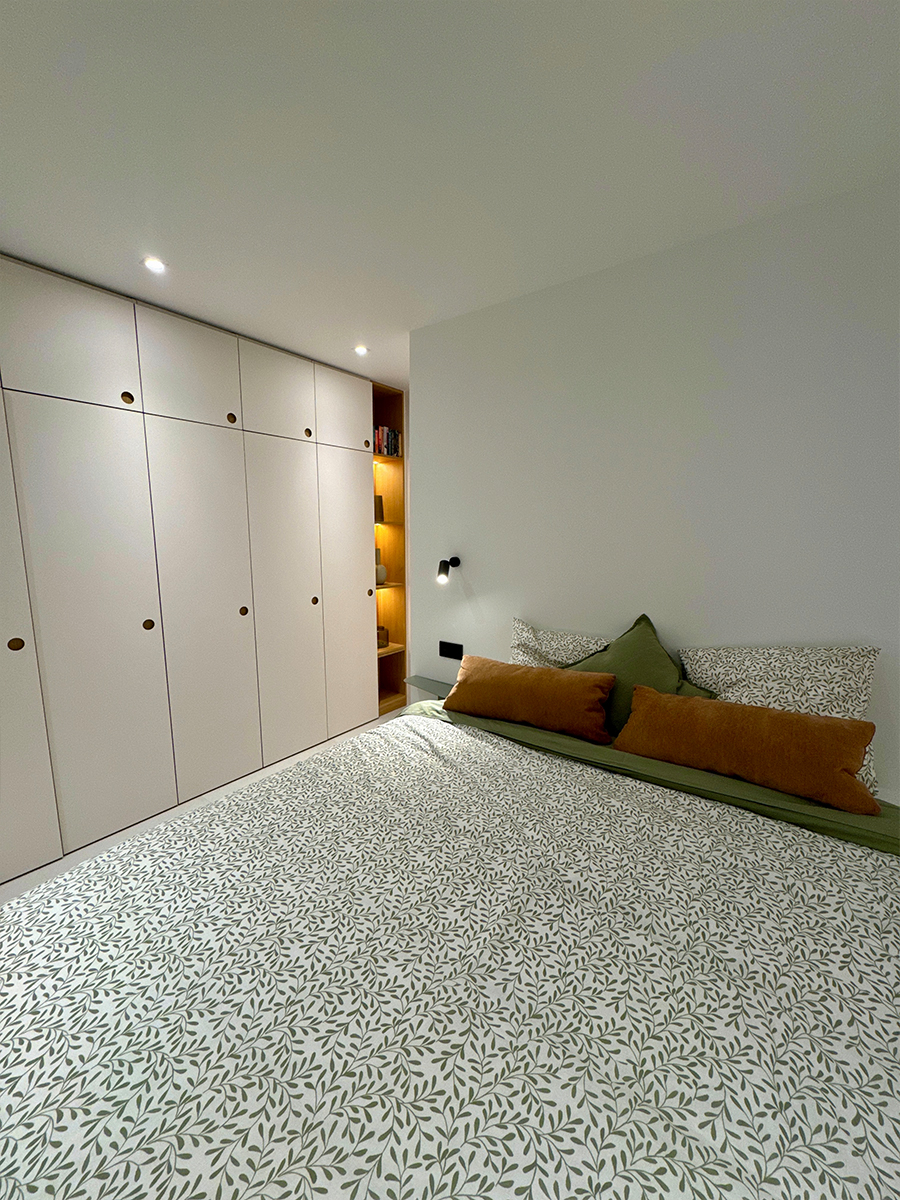
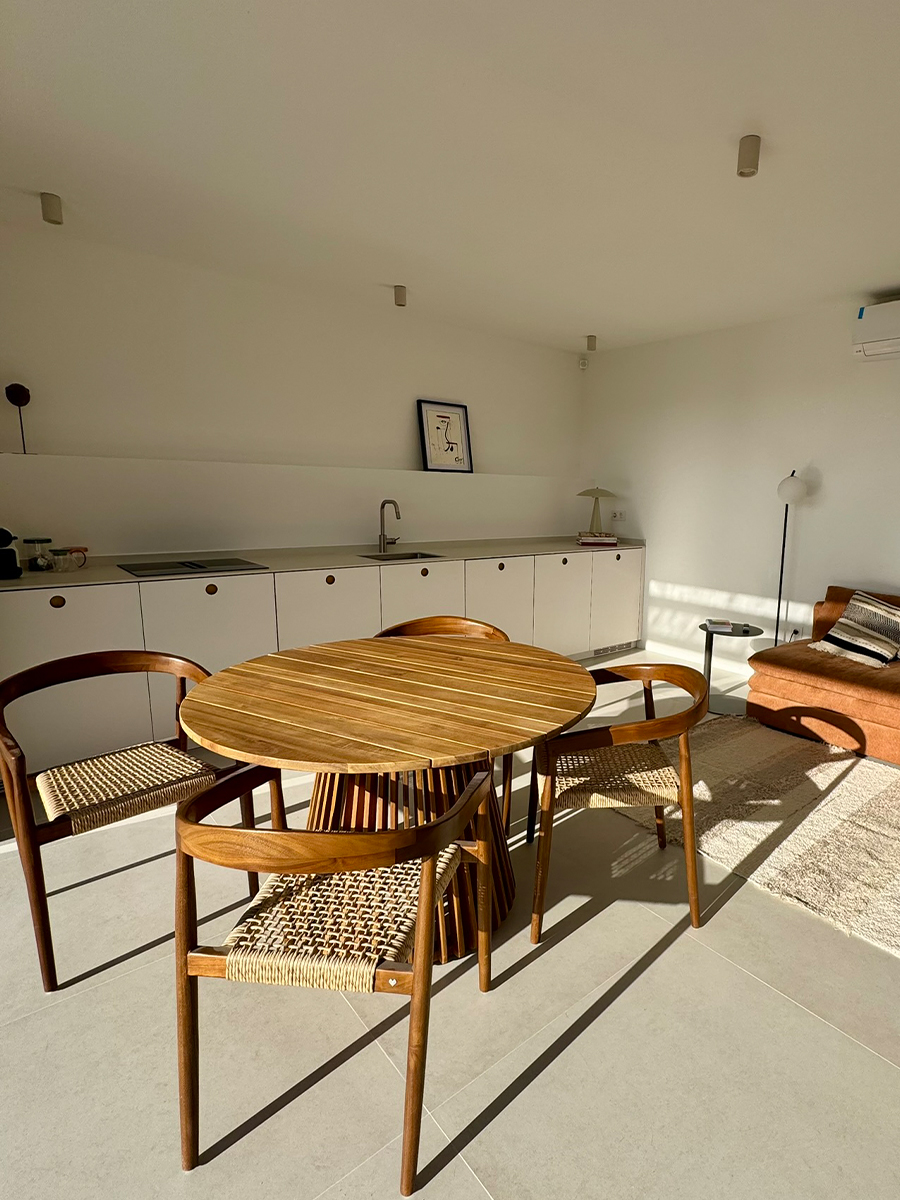
If your trip to Granada involves a mix of city days and mountain or village excursions, where you stay affects how smoothly that works in practice. Terraza 6 is a four-guest apartment in the Realejo, about 900 metres on foot from the Alhambra entrance. The neighbourhood sits right at the edge of the restricted traffic zone — you can walk into the pedestrianised city core in minutes, and you can also drive to the apartment directly and park outside.
Free street parking directly outside is one of those details that sounds minor until you are actually navigating a hire car in Granada and realise how unusual it is. Most apartments in the Albaicín and cathedral area are either inaccessible by car or require paid garages. At Terraza 6, you can bring the car, park it on Calle Villar Yebra, leave it there for your city days, and get in on the days you are heading to the Sierra Nevada or the Alpujarras. The apartment has a private pool with outdoor shower, a large terrace with views towards the Sierra Nevada, a full kitchen, and 1 Gbps fibre WiFi. The host welcome includes a curated Granada guide covering local transport options, the best tapas and food nearby, and which day trips work well from the Realejo.
Book direct at terraza6.com/book/ for the best rate.
What guests say
"Siemen was a wonderful host and the place lived up to all the photos! We especially enjoyed the views and the outdoor space and found the walkability nice. Siemen was helpful with finding parking and providing what we needed for our infant to stay as well. 10/10 for the design of the place, would definitely stay again!"
"We loved everything, but the most the tarrace and the pool with amazing view! The appartment is very modern, clean, comfortable. There is everything what you need for short stay. The host - Siemen is wonderful- very niice, helpful and carrying. The location is very good, you can go by walk but if it is too hot, you can easy catch taxi- is very cheap in Granada. We used taxi all the time. The most beautiful place is Alhambra and old town with beautiful fointains. If you have enough tome visit the place woth flamenco! We spent 2 wonderul days in Granada! We had perfect stay by Siemen!!"
Everything in this guide works even better when you stay somewhere calm, private, and well placed for the city.
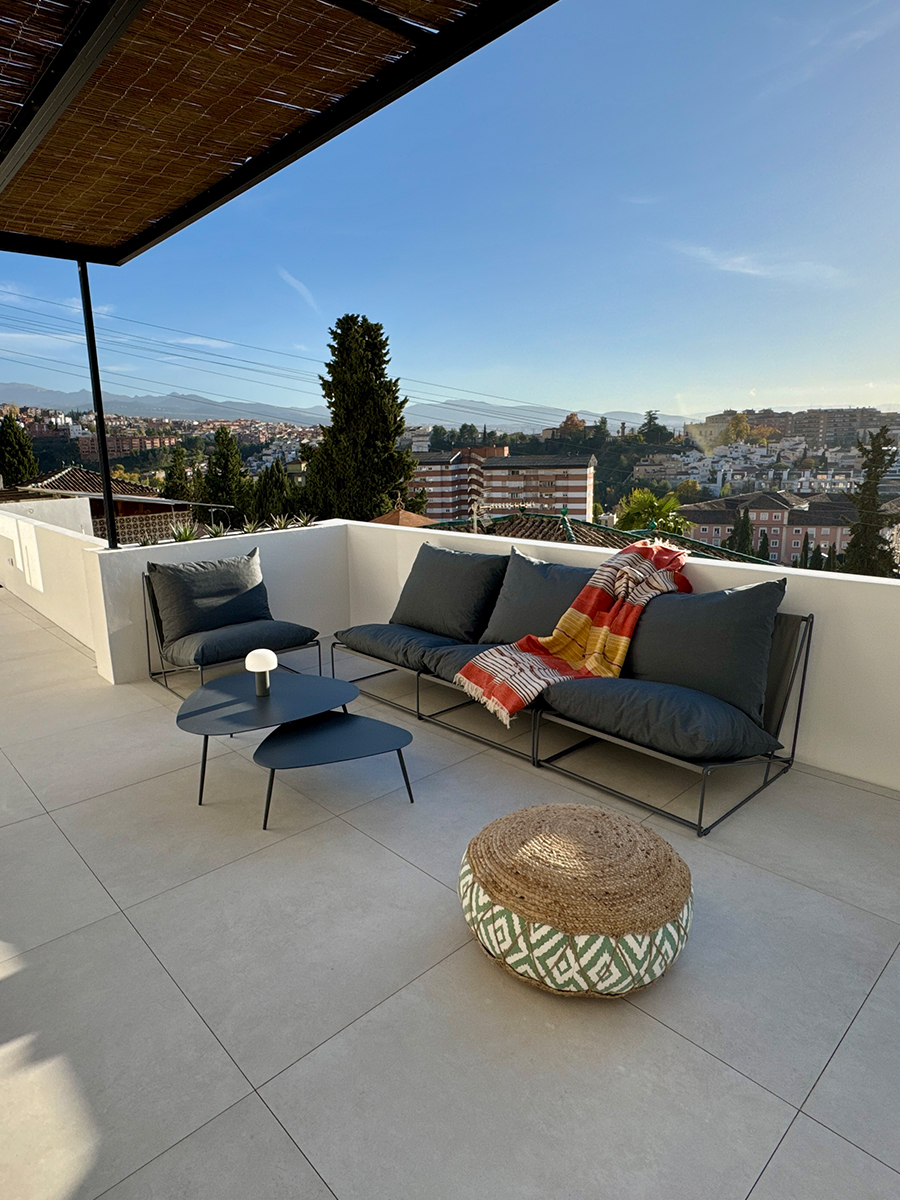
Luxury apartment with a private pool, city skyline and Sierra Nevada views, and a quiet Realejo location in Granada. No shared spaces.
View the apartment →Terraza 6 is a luxury apartment in Granada with a private pool, a spacious terrace with panoramic city views, and every comfort you'd want during a stay in Andalusia. It's designed for people who want more than a standard rental — somewhere with real character, thoughtful details, and a direct link to one of Spain's most remarkable cities.
The Alhambra, the Albaicín, and some of the best tapas bars in the country are all within easy reach. We know Granada well and share everything we've learned with every guest — from the most useful practical tips to the places most visitors never find.
Booking direct means you deal with us personally. We're easy to reach and happy to help before, during, and after your trip.