
Granada is one of the easiest cities in Spain to enjoy through food. Most bars still serve a free tapa with every drink — a tradition that has largely disappeared elsewhere in Spain but survives here in full force. Beyond that, the city has its own archive of dishes rooted in mountain winters, Moorish heritage, and a deeply local bar culture.
If you're staying in Realejo, the city's best tapas streets and neighbourhood restaurants are within walking distance. This guide covers what to look for — dishes specific to Granada, where they come from, and when they're worth ordering.
Granada's Signature Dishes
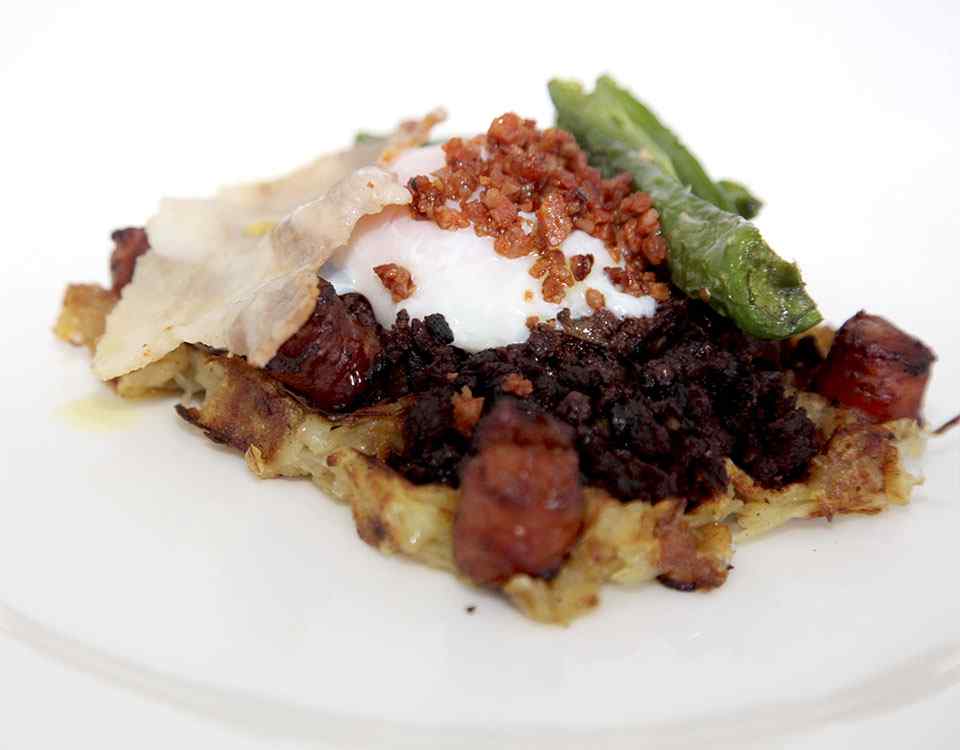
A generous plate from the Alpujarras mountains south of Granada — fried eggs, papas a lo pobre, cured meats, chorizo, black pudding, and peppers. It's the kind of food that was designed for cold mountain weather and long working days. Deeply satisfying and the single most distinctive dish associated with this part of Granada province.

Small rolled sponge cakes soaked in syrup and topped with toasted cream, originally from the town of Santa Fe just west of Granada. They're named after Pope Pius IX — Pío Nono in Spanish. Not every pastelería does them well, but the real version is worth finding. Best with coffee in the mid-morning or as a dessert.
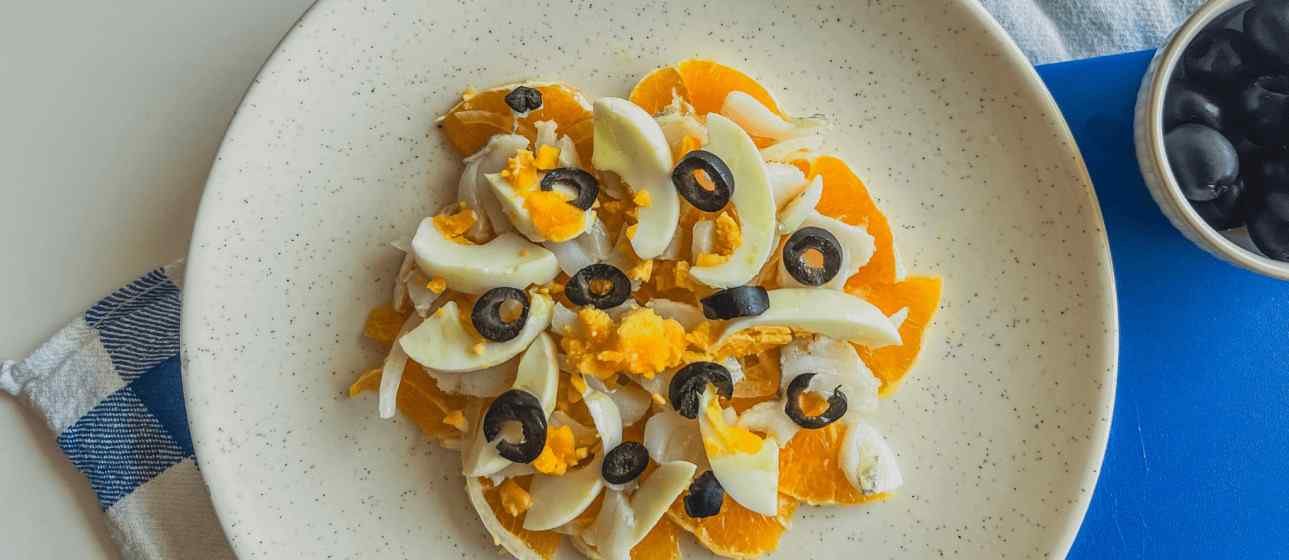
A Granada salad built around sliced orange, salt cod, black olives, spring onion, and good olive oil. The combination sounds unusual but works cleanly — the sweet orange against the cured fish, the oil tying it together. It appears on menus year-round and is a useful example of the Moorish-influenced food that still runs through Granadan cooking.
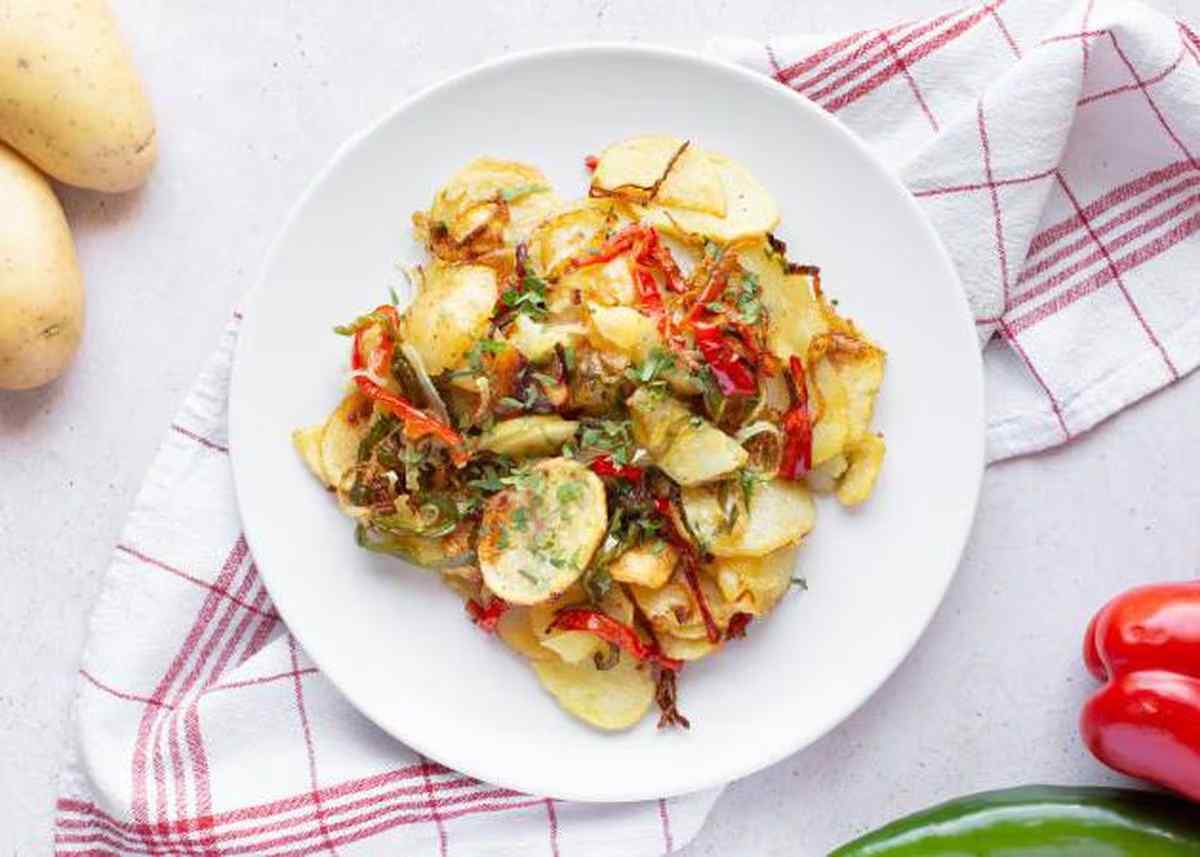
Thinly sliced potatoes cooked slowly in olive oil with garlic and green peppers — "poor man's potatoes," though the name understates them. They appear as a side dish, as a tapa, and as part of larger plates. Simple, honest food done well. The version inside a plato alpujarreño is particularly good.
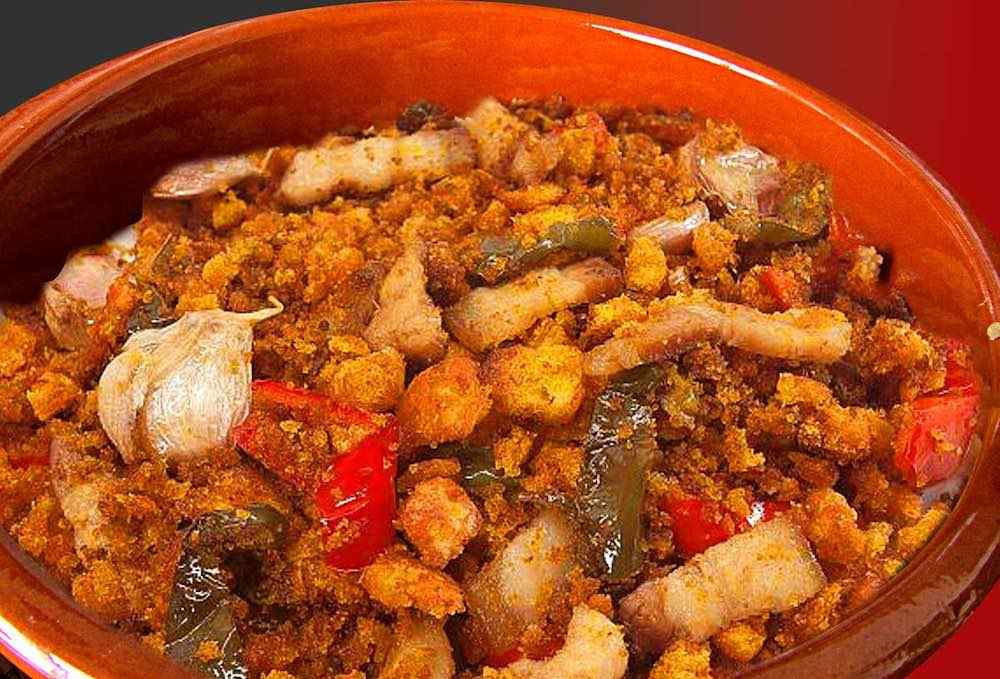
Breadcrumbs — old bread, fried in olive oil until golden and crisp — cooked with chorizo, garlic, and often grapes or orange for contrast. A winter dish found across southern Spain but particularly rooted in Granada's more rural and mountain traditions. Best in the cold months and very much worth trying if it appears on a menu.
Also Worth Knowing
Three more dishes that appear less frequently but are worth ordering if you come across them.
Granada's own version of the potato omelette, historically made with lamb brains, trotters, and kidneys — though modern versions often substitute more accessible ingredients. Tied to the Sacromonte neighbourhood and one of the most historically distinctive dishes in the city. Not on every menu, but worth trying in a traditional bar.
A hearty winter stew made with pork, blood sausage, and dried beans, traditionally eaten around 17 January (the feast of San Antón). One of the most seasonal and deeply Granadan dishes — rarely seen outside the city and only in winter months. Look for it in neighbourhood restaurants from January onwards.
In most Spanish cities, tapas cost money. In Granada, the majority of bars still bring a small plate of food with every drink you order. The tapa rotates — you don't choose it — and the quality ranges from a handful of olives to a proper portion of something hot. It's one of the city's most reliable pleasures and, for a short visit, can effectively cover a good portion of your eating.
How to Eat Well in Granada
Order drinks first, tapas will follow
The free tapa tradition means you rarely need to order food separately in most bars. Order a caña (small beer), a glass of wine, or a tinto de verano and wait — something will arrive. If you want to eat more specifically, local set lunch menus (menú del día) are where the most traditional dishes tend to appear.
Mountain dishes suit the colder months
Granada sits at 738 metres and gets genuinely cold winters. The plato alpujarreño, migas, and olla de San Antón are all cold-weather dishes and taste best when the temperature matches. In summer, lighter preparations — gazpacho, remojón, cold tapas — make more sense.
Stay close to the neighbourhood bars
The best Granada eating is not in the most visited parts of the city. Calle Navas, around Calle Elvira, and the streets of the Realejo and lower Albaicín are where you find the bars that still cook seriously. Moving on foot between three or four bars for drinks and tapas is the most natural way to eat here.
Your base for eating well in Granada
Terraza 6 is in Realejo — a 10-minute walk from the city centre and close to Granada's best everyday eating. Private pool, panoramic terrace, and direct booking.
Book DirectBest rate direct · No booking fees · Up to 4 guests · Private pool
Check Availability