
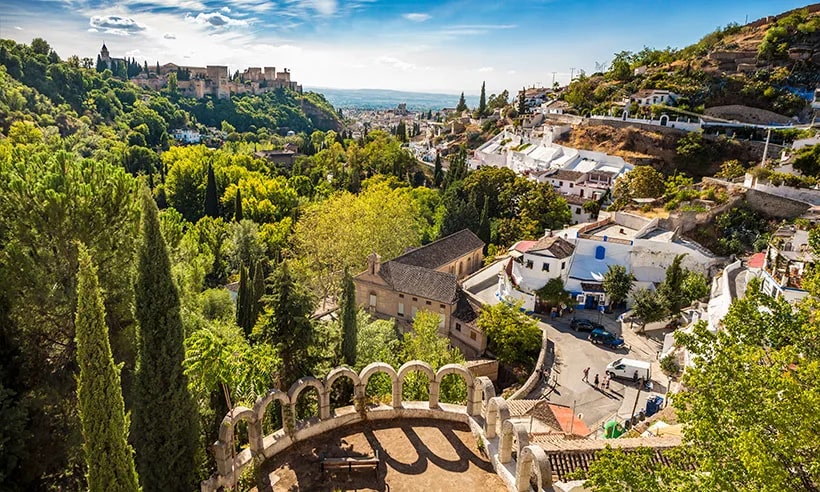
Sacromonte extends up a rocky hillside east of the Albaicín, above the Darro valley. The neighbourhood has been home to Granada's Roma (Gitano) community for centuries, and its defining feature is its cuevas — dwellings carved directly into the soft tufa rock of the hillside. Many are still inhabited today. Walking up the Camino del Sacromonte in the evening, with the cave lights flickering on and the Alhambra visible across the valley below, is one of the more distinctive walks in the city.
Sacromonte is also where zambra flamenco was born — a form rooted in the Roma tradition that is quite different from the polished tablao shows found elsewhere. Several cave venues run performances most evenings. The Museo Cuevas del Sacromonte and the 17th-century Abbey above are the two other main reasons to come. Below are six things worth your time.
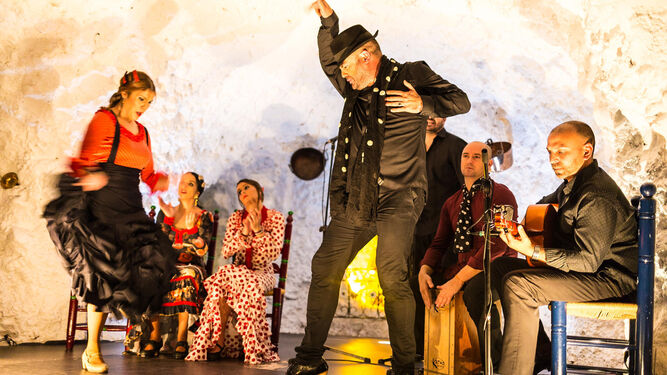
The zambra is the form of flamenco that developed in Sacromonte's cave venues — rooted in the Roma tradition and quite distinct from the tablao shows found in tourist venues elsewhere in Spain. Several caves run performances most evenings: Las Cuevas Los Tarantos and Cueva de la Rocío are the most established. The shows run roughly 45–60 minutes. Book ahead in summer — they fill up. Arrive knowing a little about jondo and the difference between authentic and staged becomes much clearer.
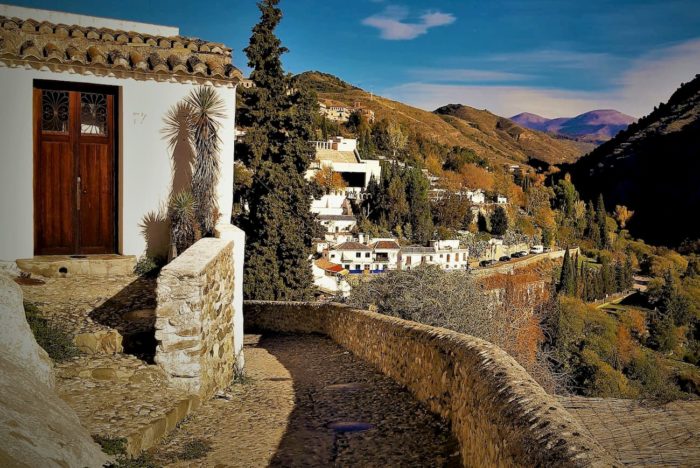
The cuevas of Sacromonte are homes carved directly into the tufa rock of the hillside — some have been inhabited continuously for over 500 years. Many are still lived in today, identifiable by their whitewashed exteriors and small patios at the entrance. The interiors stay at a near-constant temperature year-round, which made them practical long before they became iconic. Walking up the Camino, you pass dozens of them at different levels of the hillside.
An open-air ethnographic museum occupying a series of restored caves on the hillside, covering the history of the Roma community in Granada and the traditional cave lifestyle — daily life, crafts, music, and agriculture. The setting is as important as the content: the terrace looks out over the valley towards the Alhambra and gives a clear sense of how the neighbourhood fits within the wider city. Budget about an hour.
A private apartment in Realejo — 900 m from the Alhambra, with a private pool, panoramic terrace, and direct booking.
Founded in 1610 on the upper hill after the controversial discovery of supposed early Christian relics on the site, the Abbey is the principal religious monument of the neighbourhood. The grounds include catacombs cut into the hillside, a small religious museum with manuscripts and liturgical objects, and some of the most commanding views in Granada — looking south over the Albaicin rooftops and west towards the Alhambra from above both. The walk up from the main Camino takes about 20 minutes and is steep but worthwhile. Guided tours run regularly and cover the history of the relics controversy. The Abbey courtyard is particularly good in late afternoon when the light turns golden on the stone walls.
The main path through the neighbourhood, running east from the Albaicín boundary along the hillside above the Darro gorge. The walk from the Paseo de los Tristes up into Sacromonte takes around 20 minutes and passes through the most visually distinctive terrain in the city — whitewashed caves against bare rock, with the Alhambra across the valley. Go in the evening when the caves light up.
Sacromonte sits higher than the Albaicin and offers a different angle on both the Alhambra and the city below. From the upper paths and the Abbey grounds you look down over the Albaicin's white rooftops and across to the Alhambra from an elevated position that most visitors never reach. The best views come in the afternoon when the light falls directly onto the palace walls. The Vereda de Enmedio path, which runs along the hillside above the main Camino, is particularly good — fewer people, better elevation, and uninterrupted sightlines east towards the Sierra Nevada. Bring a camera with a decent zoom, because the angle from here captures details on the Alhambra towers that are not visible from San Nicolas below.
Best rate direct · No booking fees · Up to 4 guests · Private pool
Check Availability