 Overview
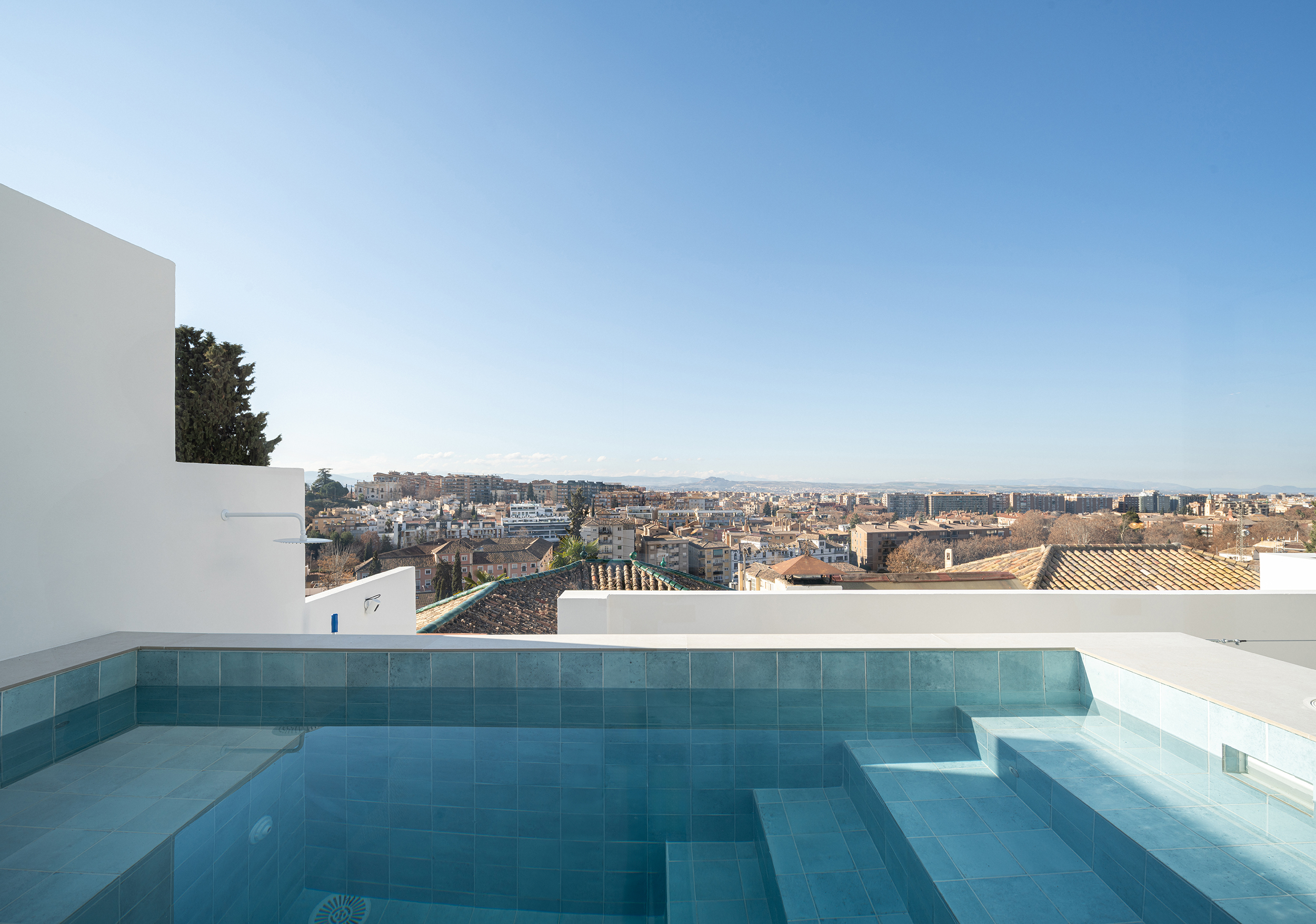 Private Pool & Parking
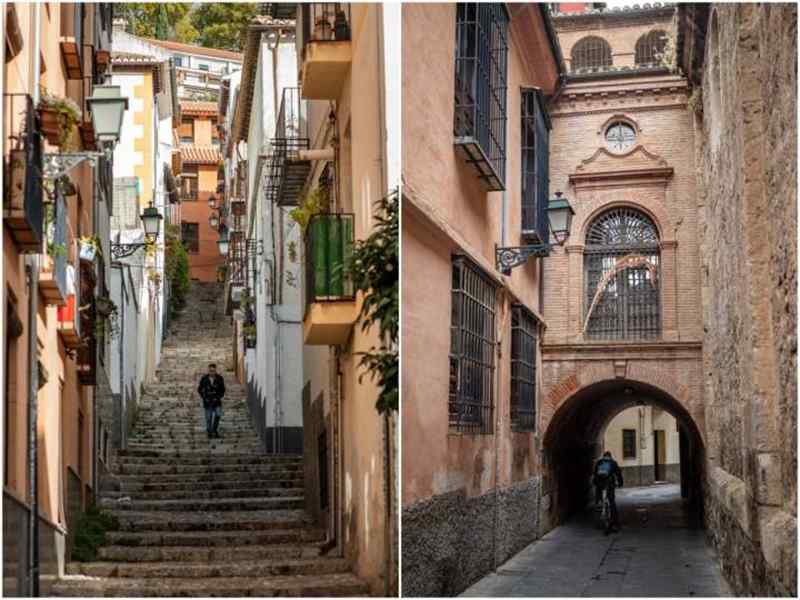 Location — Realejo
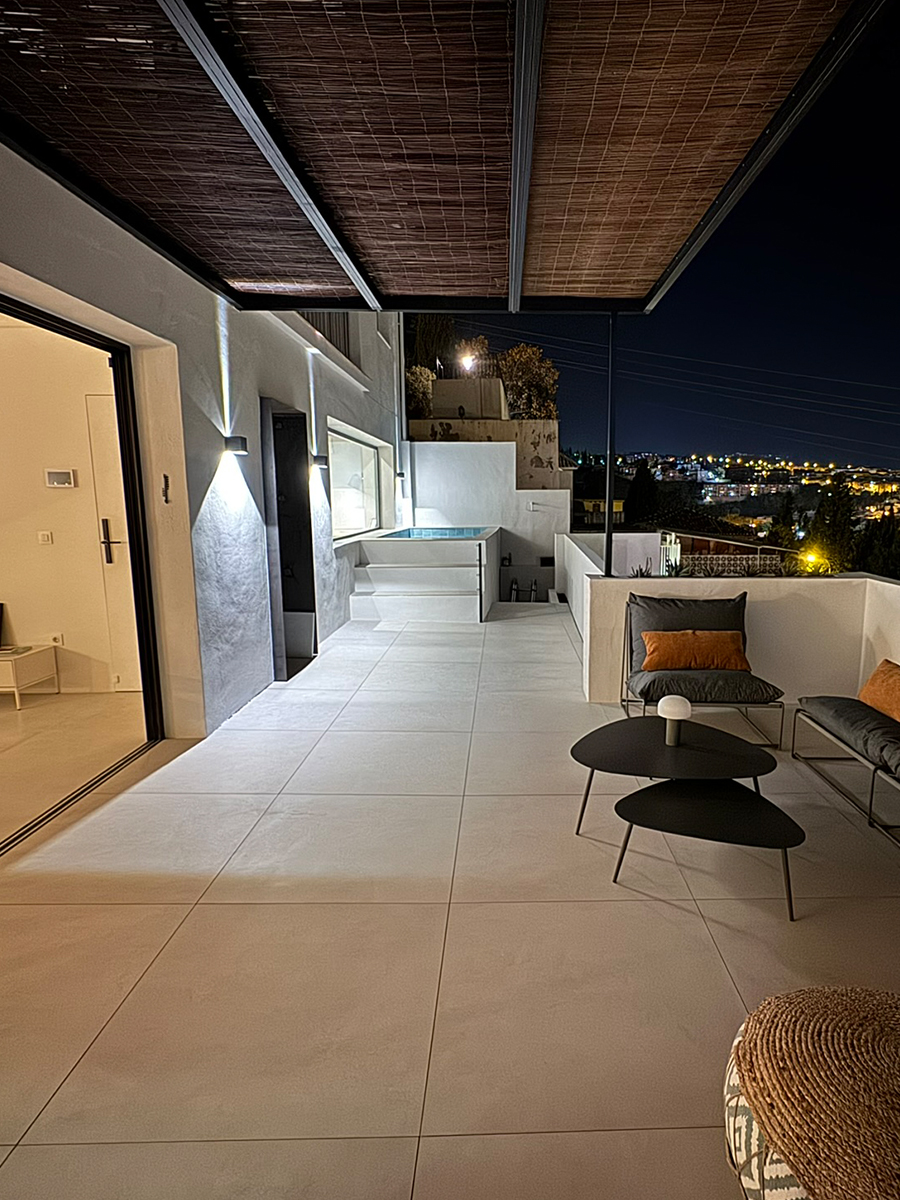 Contact the Owners
 Alhambra
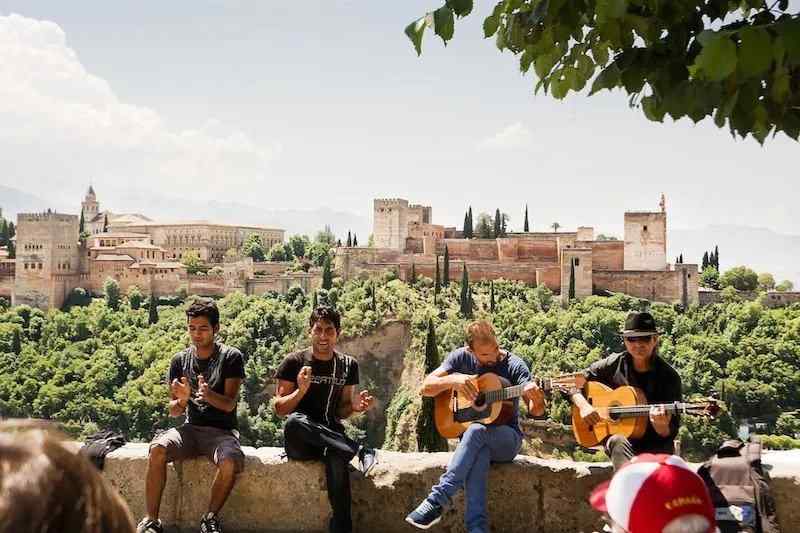 Neighbourhoods
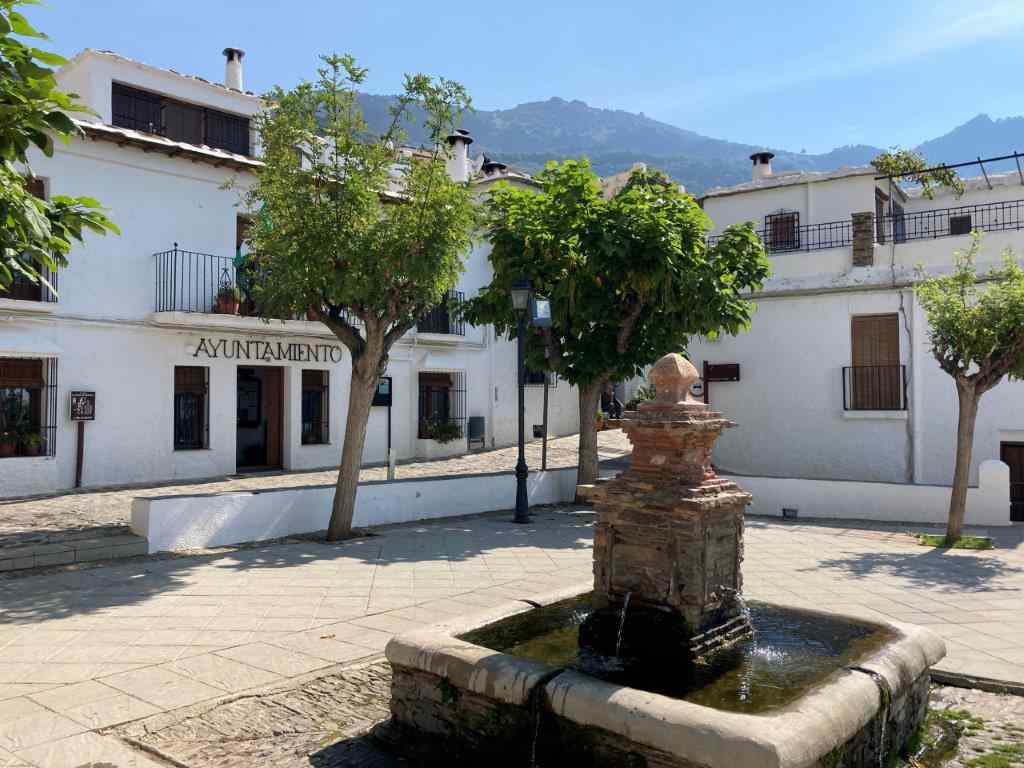 Alpujarras Villages
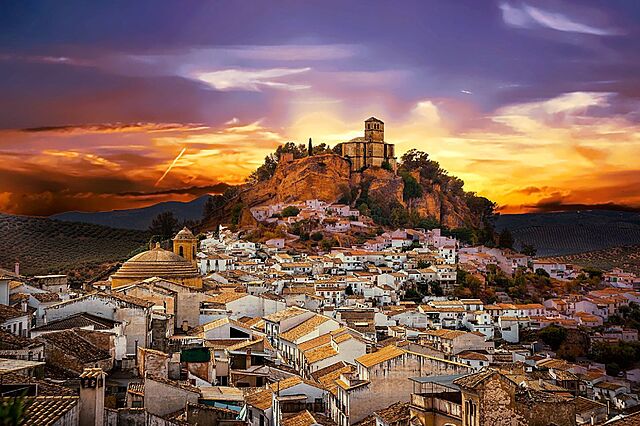 Towns Near Granada
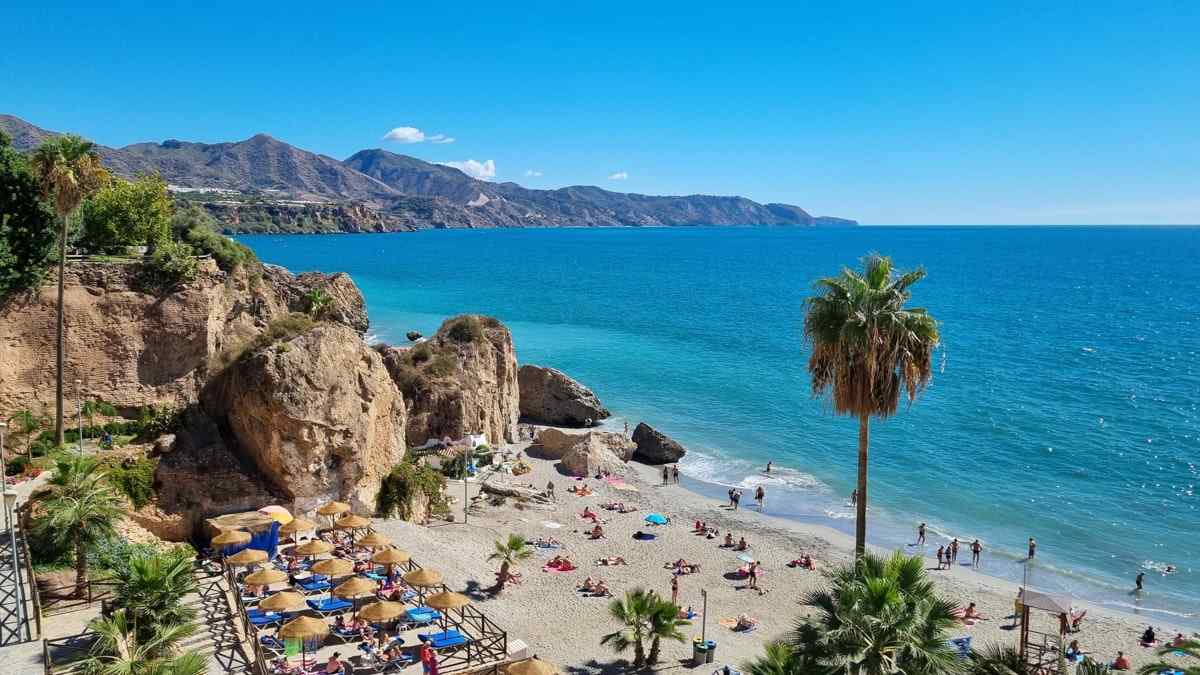 Costa Tropical
 Sierra Nevada
 Terraza 6
An Almuñécar day trip from Granada is the easiest way to swap the Alhambra's red walls for the Mediterranean without packing a suitcase. Almuñécar is the biggest town on the Costa Tropical, the short stretch of Granada province's coast between the Málaga border and Almería. From the Realejo it is roughly 80 km and a little over an hour by car, almost all of it on motorway. You can leave after breakfast, eat fried fish by the sea, climb a castle, and still be back in Granada for a late dinner.
The question most people actually have is not "can I get there?" but "is Almuñécar the right coast town for me?" Honestly, it depends on what you want. Almuñécar has the most to do on dry land: a castle, a Roman-era museum, a botanical park built around an ancient fish-salting factory, a rock with a cross on top, and a proper old town. Salobreña is smaller and prettier from a distance. La Herradura is better in the water. Nerja is busier and over the provincial line in Málaga.
This guide is about the town itself: how to get there by car or bus, where to park, what is worth your time, which beach suits you, what to eat, how to plan the day hour by hour, and what changes in autumn and winter. If you just want the nearest sand to Granada, our piece on the closest beach to Granada covers that question head on.
Where Almuñécar is, and how far Granada is from the sea
Granada sits about 700 metres up, at the foot of Sierra Nevada, and people are often surprised that the sea is so close. As the crow flies, the Costa Tropical is only around 50 km south of the city. By road, Almuñécar's seafront is about 80 km from the Realejo, and route planners put the drive at roughly 70 minutes without traffic. Salobreña and Playa Granada at Motril are a touch closer, at about an hour.
The name Costa Tropical is not marketing fluff. The mountains behind the coast block cold northern air, so this coast has a notably mild climate, mild enough for farmers to grow custard apples, avocados and mangoes on terraced hillsides. You will drive through those orchards on the way down. Almuñécar is the western anchor of this coast. Head a few minutes further west and you reach La Herradura, then the Málaga border and Nerja.
The town itself spreads along a series of beaches separated by rocky headlands, with the old quarter piled up on a hill around the Castillo de San Miguel. It has a long history: Phoenician traders founded a settlement here called Sexi, the Romans kept it as a fish-processing town, and tradition holds that Abd al-Rahman I, the Umayyad prince who went on to found the Emirate of Córdoba, landed on this coast in 755. A bronze statue of him stands in the square named after him on the seafront.
Granada to Almuñécar by car: the route and the drive
Driving gives you the most freedom, especially if you want to combine Almuñécar with a second stop such as Salobreña or La Herradura. If you are still deciding whether to hire one at all, our article on whether you need a car in Granada walks through when it pays off. A coast day is one of the clearest cases where it does.
The fast route: A-44 and A-7
From the Realejo, get onto the GR-30 ring road and follow signs for Motril and the coast. That puts you on the A-44, the Autovía de Sierra Nevada-Costa Tropical, which runs south past the Suspiro del Moro pass and down through the Guadalfeo valley. Near the coast, join the A-7 Autovía del Mediterráneo heading west towards Almuñécar and Málaga, and leave it at one of the Almuñécar exits, which drop you onto the old N-340 coast road and into town. It is about 80 km in all, and roughly 70 minutes in light traffic.
The A-44 drops several hundred metres on the way down, and the A-7 west of Motril runs through tunnels and over high viaducts. Nothing difficult, but on a summer Sunday it can be slow.
The scenic route: A-4050, the "goat road"
There is a second way down. The A-4050, known locally as the Carretera de la Cabra, branches off south of Granada and twists down through the mountains to Otívar and then Almuñécar. It has hairpins, tunnels and big views, and very little traffic. It is also much slower and higher, so we would only suggest it as a one-way scenic variation on a clear day, by a confident driver who does not get carsick. In winter, check road conditions before you set off. For a first visit, take the motorway both ways.
Parking in Almuñécar
Parking is the one real hassle of a car trip. The seafront streets are narrow and many spaces are regulated. Your best options:
- Underground car parks along the seafront. There is a public underground car park at Paseo del Altillo, right behind Puerta del Mar beach and below the old town. This is the easiest choice for a first visit because the castle, museum and El Majuelo are a short walk away.
- Around El Majuelo and the Velilla seafront. There are further spaces on the eastern side of town, closer to Velilla beach. In summer these fill early.
- Street parking further from the sea. If you are happy to walk 10 to 15 minutes, the streets uphill and inland are less pressured, though check the signs for coloured zones and time limits.
Rates and zone colours change, and we could not confirm current prices on an official page, so we are not quoting them. Budget a few euros for the day and check the machine. In July and August, arrive before about 10:30 if you want an easy space.
Granada to Almuñécar by bus
Staying in Granada?
A private base with a pool and panoramic terrace
- Private pool and terrace
- No shared spaces
- A location that works well for exploring the city on foot
No car? The bus is perfectly workable. The operator is ALSA, which runs services from Granada's main bus station on Avenida Juan Pablo II to Almuñécar bus station on Avenida Juan Carlos I. At the time of writing, ALSA's own route page lists around 20 services a day in total, with the first departure from Granada at 07:00 and the last around 19:30, and journey times from about 1 hour 15 minutes on the most direct runs to almost 3 hours on those that call at many villages on the way.
That spread matters. A direct morning bus gets you to the coast in time for a full day, but a slow stopping service can eat half your morning. When you book, look at the arrival time, not just the departure. Fares are a few euros each way and vary by day of the week, so check the current timetable and price on ALSA's website or app for your exact date, and book the return in advance in summer, when afternoon buses back to Granada fill up.
From the Granada bus station, a city bus or a short taxi gets you back to the Realejo. In Almuñécar, the bus station sits a few minutes' walk from the seafront and the old town, so you do not need any onward transport.
What to see in Almuñécar
Almuñécar's sights are close together. The castle, the archaeological museum, the botanical park and the bird park sit within a few hundred metres of each other, on and around the hill above Puerta del Mar and San Cristóbal beaches. You can see the lot in a morning, then give the afternoon to the sea.
Castillo de San Miguel
The Castillo de San Miguel crowns the hill above the old town. Remains of a Roman fortress have been found here, the Moors enlarged it into a major stronghold, and the entrance towers date from the reign of Charles V in the sixteenth century. What you visit today is a restored fortress with towers, walls, a small museum and wide views over the beaches and the Peñón del Santo. Go up for the view alone if nothing else.
In recent years the castle has been closed on Mondays and open for shorter hours on Sundays, with a morning slot and a late-afternoon slot on other days that shifts by season. The ticket is shared with the Cueva de Siete Palacios museum. Hours and prices published online disagree with each other, so check with the Almuñécar tourist office before you plan around a specific time.
Cueva de Siete Palacios archaeological museum
Despite the name, this is not a cave. It is a set of vaulted stone chambers from the Roman period, built into the hillside under the old town and now home to the municipal archaeological museum. The vaults themselves are the main draw: cool and atmospheric, especially on a hot day. The collection covers Phoenician, Roman and Moorish Almuñécar, and its best-known piece is an ancient Egyptian vase carved in stone and bearing hieroglyphs linked to the pharaoh Apophis I. It is a small museum. Allow 30 to 45 minutes.
Parque Botánico El Majuelo and the Roman fish-salting factory
Right at the foot of the castle hill, the Parque Botánico El Majuelo is a botanical garden with palms, tropical and subtropical plants, and shady paths. In the middle of it are the excavated remains of a Phoenician-Punic and Roman fish-salting factory, a group of large tanks where fish was salted and processed into garum, the fermented fish sauce the Roman world loved. It explains why ancient Sexi existed at all. Entry to the park is free and it is open daily, so it is a good fallback if you arrive on a Monday when the castle is shut.
Peñón del Santo
The Peñón del Santo is the rocky outcrop that splits the central seafront in two, with Puerta del Mar on one side and San Cristóbal on the other. Steps lead up to a viewpoint with a large cross on top, and the view along the coast in both directions is the best free one in town. It takes ten minutes. It is part of a small protected natural monument, the Peñones de San Cristóbal, along with two smaller rocks just offshore. Come back at sunset if you are staying late.
Parque Ornitológico Loro Sexi
The Loro Sexi bird park sits at the foot of the castle, near Plaza Abderramán, and houses parrots and other exotic birds in aviaries set among gardens. It is a solid stop with children, less so without them. It was operating in 2025, but its days and hours vary a lot between summer and winter, so check before you go. Be aware that the park has lots of stairs and is not well suited to pushchairs or wheelchairs.
The old town and seafront
Between the sights, wander the old quarter on the hill: steep lanes, white houses, small squares, and the Iglesia de la Encarnación, the parish church, finished around 1600 and home to the town's patron, the Virgen de la Antigua. Then drop down to the seafront promenade, which runs past the beaches with palm trees, cafés and chiringuitos. Plaza Abderramán, with the statue of the Umayyad prince, is the natural meeting point between the two. If you have a car and an extra hour, the remains of the Roman aqueduct that once fed the town can be seen in the valleys just inland, near Torrecuevas.
Almuñécar beaches: which one is right for you?
First, manage expectations. The Almuñécar beaches are not golden sand. Like most of the Costa Tropical, they are dark grey sand mixed with gravel and small pebbles, which gets hot underfoot and shelves fairly quickly into clear water. Bring water shoes if you have sensitive feet. The upside is that the water tends to be clean and clear, and five beaches in the municipality hold a Blue Flag for 2026: Velilla, Puerta del Mar, San Cristóbal, La Herradura and Los Berengueles, plus the Marina del Este marina.
Playa Puerta del Mar
The central town beach, just east of the Peñón del Santo, and the one you see from the castle. Gravel and dark sand, lifeguards in season, showers, sunbed and umbrella hire, and restaurants a few steps away. It is the most convenient beach if you are combining sightseeing and a swim, and the busiest in summer.
Playa de San Cristóbal
West of the Peñón del Santo, Playa de San Cristóbal is long, urban and lined by a promenade with chiringuitos. Families like it for the full services and play areas. It is Almuñécar's classic beach for a long lunch followed by a swim.
Playa de Velilla
East of the centre, Playa de Velilla is the longest of the town beaches and has the most space, with a broad promenade, plenty of bars, and a seawater leisure park behind it. Choose this one if you want room to spread out in high season, or if you are parking on the eastern side of town.
Cotobro and the smaller coves
Just west of San Cristóbal, past a headland, Cotobro is a small, calmer beach with stones and dark sand, a couple of restaurants and very limited parking. Beyond it, small coves get quieter and wilder, with fewer services. These suit couples and snorkellers more than families who need sunbeds and toilets.
La Herradura, ten minutes west
La Herradura belongs to the municipality of Almuñécar but feels like a separate village, set around a horseshoe-shaped bay sheltered by two headlands. The water is calmer and the seabed has seagrass meadows, which makes it the best spot on this coast for snorkelling, kayaking and diving. If being in the water matters more to you than monuments, you might base your day here and pop into Almuñécar for the castle. For more ideas along this shore, browse our beaches near Granada page.
What to eat on the Costa Tropical
Food is half the reason to come. The coast has its own produce and its own way of doing fish, and lunch by the sea is the centrepiece of most day trips.
- Fried fish (pescaíto frito). Small fish, squid, cuttlefish and anchovies dusted in flour and fried until crisp. Order a mixed plate to share.
- Espetos. Sardines skewered and grilled over a wood fire in a boat filled with sand, right on the beach. They are more associated with Málaga, but many chiringuitos here do them, mostly in the warmer months.
- Chirimoya (custard apple). The chirimoya grown here carries a protected designation of origin, "Chirimoya de la Costa Tropical de Granada-Málaga", whose regulatory council is based in Almuñécar. It is a creamy, sweet fruit picked from roughly September into winter, which makes autumn the time to try it, fresh or in desserts and ice cream.
- Avocados and mangoes. The terraces you drive past on the way down are largely avocado and mango orchards. Look for them in salads and at fruit stalls.
- Sugar-cane honey. Motril and Salobreña were once centres of sugar-cane growing, and Motril has a museum on the subject. Sugar-cane honey, a dark, syrupy molasses, still turns up drizzled over fried aubergine (berenjenas con miel), one of the most typical tapas in the province.
Back in the city, the cooking is very different: more mountain, less sea. Our page on typical dishes of Granada is a good contrast, and the tapas bars around the apartment are covered in our guide to Realejo tapas bars.
A realistic Almuñécar day trip from Granada, hour by hour
This timing assumes a car and a weekday outside August. Add 30 to 60 minutes each way by bus, depending on which service you catch.
- 09:00 Leave Granada. Get on the ring road before the morning traffic peaks. You will be on the coast by about 10:15.
- 10:15 Park and coffee. Use the underground car park behind Puerta del Mar. Coffee and toast on the seafront.
- 10:45 Castle and museum. Walk up through the old town to the Castillo de San Miguel, then visit the Cueva de Siete Palacios. Allow around 90 minutes for both.
- 12:30 El Majuelo and the Peñón del Santo. Walk down through the botanical park, look at the Roman salting tanks, then climb the Peñón del Santo for the view.
- 13:30 Long lunch. Fried fish or espetos at a chiringuito on San Cristóbal or Puerta del Mar. Spaniards eat lunch from about 14:00, so you will beat the rush.
- 15:30 Beach or La Herradura. Swim and doze on the town beach, or drive ten minutes west to La Herradura for calmer water and snorkelling.
- 18:30 Head back. You will be in Granada around 19:45, in time for an evening walk and tapas. Stay for sunset in summer if you do not mind driving back in the dark.
Want more? Swap the afternoon beach for Salobreña on the way home. It is about 20 minutes east of Almuñécar along the coast, right next to the A-7 and A-44 junction, and its white village and Moorish castle on a rock are worth an hour of wandering.
An Almuñécar day trip in autumn and winter
The Costa Tropical is one of the best winter escapes from Granada. When the city wakes up to frost in December and January, the coast is often several degrees warmer and sunny enough for lunch outdoors. Plenty of locals drive down on winter Sundays for exactly that.
Swimming is a different matter. The sea holds its summer heat into autumn, so October is often still pleasant for a swim. By November, average sea temperatures are around 18°C, and by December closer to 17°C. That is bracing but swimmable if you are used to northern seas; most visitors will paddle rather than swim. Lifeguards and sunbed hire are seasonal, so outside summer the beaches are quiet and largely unserviced.
What changes in the cold months:
- Opening hours shrink. Afternoon slots at the castle and museum move earlier, and some seasonal chiringuitos close altogether. Plan sightseeing for the morning.
- Light runs out early. Sunset in December is before 18:30, so leave Granada earlier.
- The town is quieter. Parking is easy, restaurants are calm, and you get the Peñón del Santo to yourself.
- Chirimoya season. Autumn and winter are when the custard apples are picked, so look for them at the market and in desserts.
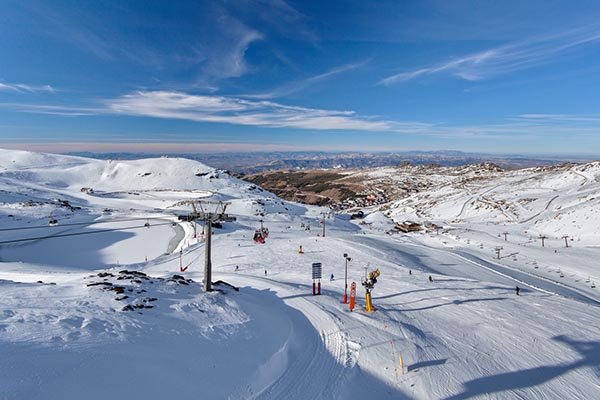
A winter coast day pairs well with a mountain day: snow in the morning at Sierra Nevada, sea in the afternoon. It is possible, but it is a long drive, and we would split them over two days.
Almuñécar vs Salobreña, La Herradura, Calahonda, Motril and Nerja
Searching for "Costa Tropical" or "Granada beach" turns up a handful of names. Here is how they compare for a day trip from the Realejo. Drive times are route-planner estimates without traffic.
| Town | Drive from the Realejo | Best for | Less good for |
|---|---|---|---|
| Almuñécar | About 70 min | A mix of sights and beach; first-timers; rainy or winter days | Fine golden sand; easy summer parking |
| Salobreña | About 1 hour | A white village on a rock with a Moorish castle; a short visit | A full day of things to see |
| La Herradura | About 70 min | Snorkelling, kayaking, diving; calmer water in a sheltered bay | Monuments and museums |
| Calahonda | About 1 hour | A small, low-key fishing village; seafood without the crowds | Sights, nightlife and variety |
| Motril / Playa Granada | About 1 hour | The quickest long, dark-sand beach with space; families who just want the sea | Atmosphere; it is a resort strip |
| Nerja (Málaga) | About 80 min | The Balcón de Europa viewpoint and the Nerja caves; a lively town | Quiet; it is much busier, especially in summer |
Our honest take: if you only do one coast day and you are not purely after a swim, Almuñécar is the most rounded choice. If you have small children who only care about the sea, Playa Granada or Salobreña's beaches are closer. If you love being in the water, go to La Herradura. And if you want a famous name and do not mind crowds, Nerja is a short hop further. Our towns near Granada page has more options inland and along the coast.
When not to go, and mistakes to avoid
Getting from Granada to Almuñécar is easy, but a few things can spoil the day.
- August weekends. Half of Granada heads to the coast on summer weekends. The A-44 and A-7 back up on Saturday mornings and badly on Sunday evenings, and seafront parking disappears by mid-morning. If you must go in August, choose a weekday and leave early.
- Mid-August fiestas. The town's patron saint festivities in mid-August mean big crowds and fireworks. Great if you want a party, poor if you want a quiet day.
- Mondays, if you want the castle. The castle and museum are closed. The beaches, El Majuelo and the Peñón del Santo are still there, but plan accordingly.
- Catching a slow bus. Check the arrival time when you book; the stopping services can take nearly three hours.
- Underestimating the sun. Even in spring and autumn, the sun on the coast is strong and the dark beaches heat up fast. Bring a hat, water and sunscreen.
- Trying to do Almuñécar, Nerja and Salobreña in one day. You will spend more time parking than enjoying anything. Two towns at most.
Practical Information
| Distance | About 80 km from the Realejo to Almuñécar seafront |
|---|---|
| Driving time | Roughly 70 minutes without traffic, via GR-30, A-44 and A-7 |
| Bus | ALSA from Granada bus station to Almuñécar bus station; about 1 h 15 min to almost 3 h depending on the service; check the current timetable |
| Parking | Underground car park at Paseo del Altillo behind Puerta del Mar; arrive early in summer |
| Main sights | Castillo de San Miguel, Cueva de Siete Palacios museum, Parque Botánico El Majuelo, Peñón del Santo, Loro Sexi bird park |
| Closed on Mondays | Castle and archaeological museum; El Majuelo park and the seafront are open |
| Blue Flag beaches 2026 | Velilla, Puerta del Mar, San Cristóbal, La Herradura, Los Berengueles |
| Beach type | Dark sand with gravel and small pebbles; water shoes help |
| Sea temperature | Warm in summer and early autumn; around 18°C on average in November, about 17°C in December |
| Best time | May, June, September and October; winter for mild sunny lunches |
| Avoid | August weekends, especially the Sunday drive back |
Frequently Asked Questions
How long does it take to get from Granada to Almuñécar?
By car it takes roughly 70 minutes from central Granada in normal traffic, covering about 80 km on the A-44 and A-7 motorways. By ALSA bus the journey takes from about 1 hour 15 minutes on the most direct services to almost 3 hours on those that stop in many villages, so check the arrival time before you book. On summer weekends allow extra time for traffic, especially when heading back to Granada on Sunday evening.
Is Almuñécar worth a day trip from Granada?
Yes, especially if you want more than a beach. Almuñécar combines a castle with sea views, a museum in Roman vaults, a botanical park with ancient fish-salting tanks, a viewpoint rock and several Blue Flag beaches, all within walking distance of each other. It is the most rounded town on the Costa Tropical for a single day. If you only want to swim and sunbathe, closer beaches such as Playa Granada or Salobreña save you some driving.
Can you get from Granada to Almuñécar without a car?
Yes. ALSA runs buses from Granada's main bus station on Avenida Juan Pablo II to Almuñécar bus station throughout the day, with the first departure around 07:00 and the last around 19:30 according to its current route page. The bus station in Almuñécar is a short walk from the seafront, the old town and the castle, so a car-free day works well. Book your return in advance in summer, when afternoon buses fill up.
Which is the best beach in Almuñécar?
For convenience, Puerta del Mar and San Cristóbal on either side of the Peñón del Santo are the easiest, with lifeguards in season, sunbed hire and restaurants. Velilla, east of the centre, has more space in high season. Cotobro is smaller and calmer. For snorkelling and calm water, La Herradura, ten minutes west, is the best choice. All of them are dark sand and gravel rather than fine golden sand.
Can you swim in Almuñécar in November or winter?
You can, but most people will find it cold. Average sea temperatures are around 18°C in November and about 17°C in December, which is fine for a quick dip if you are used to northern seas but chilly for a long swim. The air, however, is often mild and sunny, which makes the Costa Tropical a good winter escape for walks along the seafront and long lunches outdoors.
Is Almuñécar or Nerja better for a day trip from Granada?
Almuñécar is slightly closer and generally calmer, with a castle, a museum and the botanical park as its main sights. Nerja, across the border in Málaga province, is livelier and better known for the Balcón de Europa viewpoint and its caves, but it is also much busier, especially in summer. If you want a relaxed day with a bit of history, pick Almuñécar; if you want a bigger resort atmosphere, pick Nerja.
Where is Almuñécar on the map?
Almuñécar is on the Mediterranean coast of Granada province, in southern Spain, roughly 50 km south-west of Granada city as the crow flies. It is the western end of the Costa Tropical, between Salobreña to the east and La Herradura and the Málaga border to the west. Nerja is a short drive further west along the A-7.
What is the Costa Tropical known for?
The Costa Tropical is known for its unusually mild climate, sheltered by the mountains behind it, which allows farmers to grow subtropical fruit such as custard apples, avocados and mangoes. It also has a string of dark-sand beaches, historic towns like Almuñécar and Salobreña, and good snorkelling around La Herradura. For Granada visitors it is the nearest stretch of coast, about an hour's drive from the city.
Staying nearby: Terraza 6
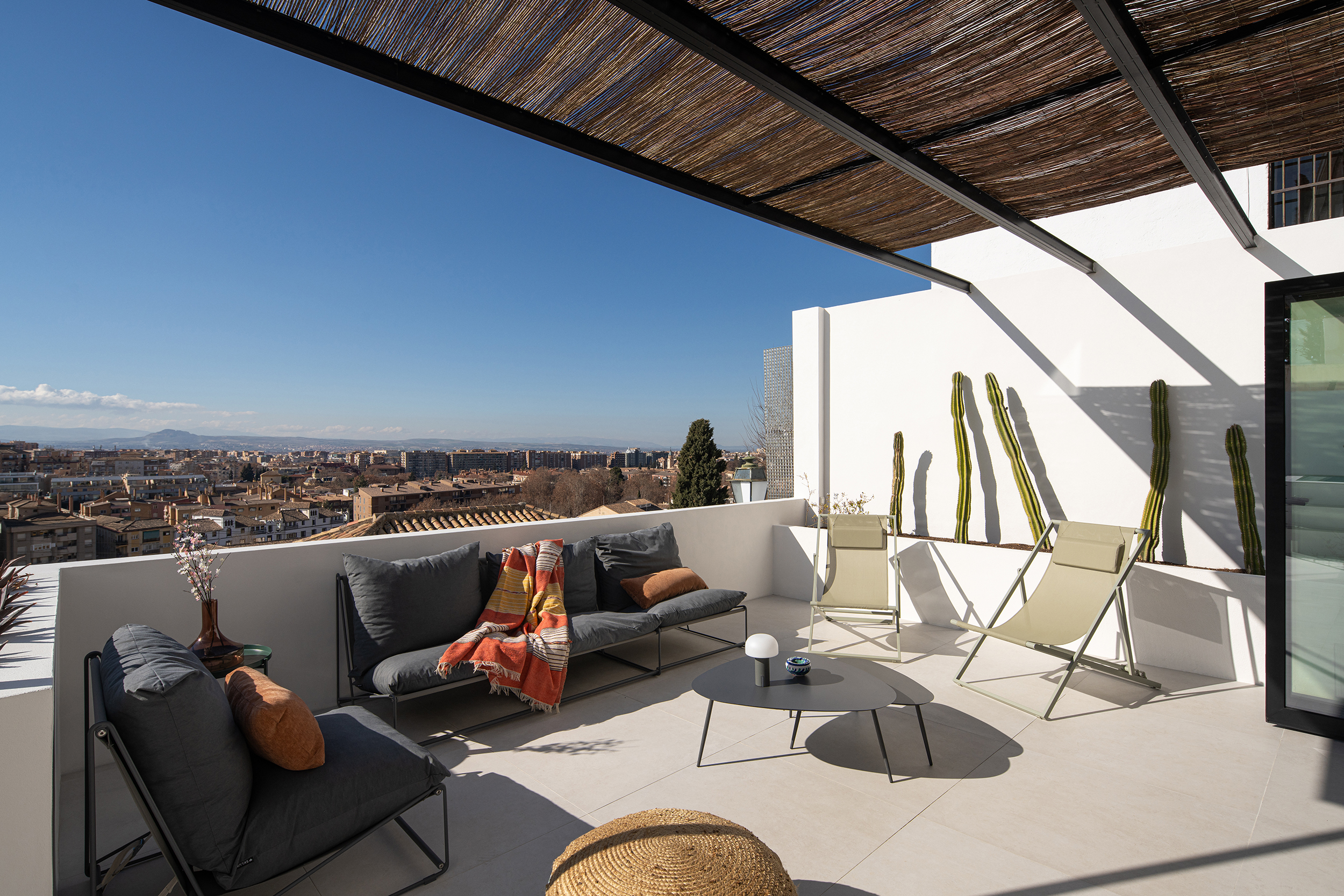
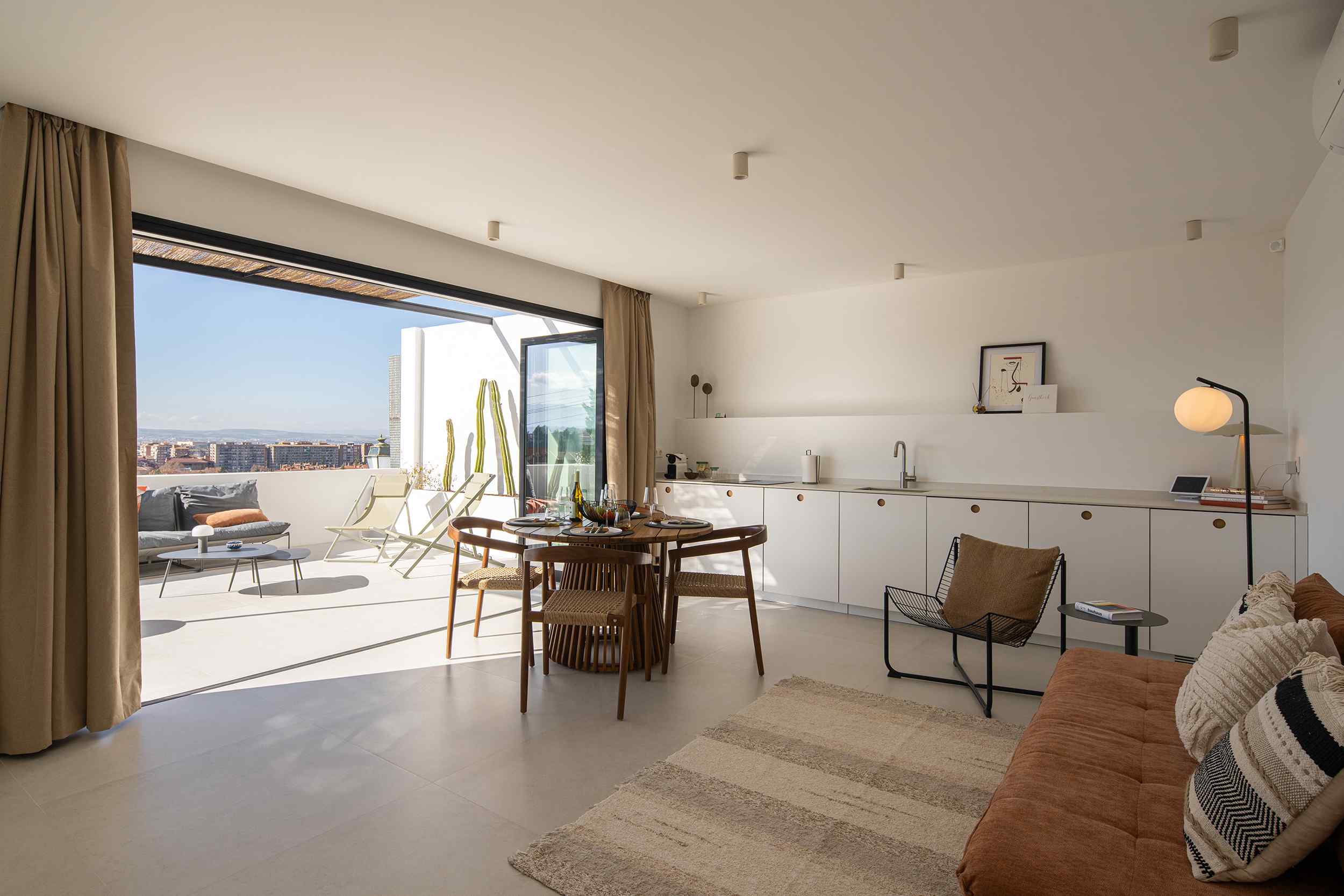
An Almuñécar day trip from Granada ends best with a quiet evening. Terraza 6 is a four-guest apartment in the Realejo, Granada's old Jewish quarter just south of the centre, with a large private ground-floor sun terrace, a private plunge pool and an outdoor shower. After a day of salt and sun on the Costa Tropical, rinse off outside, take a dip, and have dinner on the terrace, either cooked in the full kitchen or brought back from the Realejo's tapas bars.
If you hire a car for the coast, parking is simple: there is free street parking on Calle Villar Yebra, the quiet street outside. The rest of the time you can leave the car and walk. It is about 15 minutes on foot to the Alhambra ticket area and about 20 minutes to Plaza Nueva, so the Alhambra and the city centre are easy without driving. Fast 1 Gbps fibre WiFi makes it easy to check bus times, beach weather and road traffic before you set off.
Book direct at terraza6.com/book/ for the best rate.