 Overview
 Private Pool & Parking
 Location — Realejo
 Contact the Owners
 Alhambra
 Neighbourhoods
 Alpujarras Villages
 Towns Near Granada
 Costa Tropical
 Sierra Nevada
 Terraza 6
If you are wondering what to eat in Granada, here is the short answer: an omelette made with offal, a salad of orange and salt cod, broad beans with mountain ham, a fry-up from the Alpujarras, and a tiny syrup-soaked cake from a small town just west of the city. Plus, every drink you order in most bars comes with a small plate of food you did not pay for. That last point shapes how the whole city eats.
Granadian cuisine is mountain food and market food. The Sierra Nevada gives the city cured ham and hearty winter stews, the fertile plain (the Vega) gives vegetables and bread, and the Costa Tropical, about an hour's drive south, sends up fried fish and fruit you would expect in a far hotter country. Centuries of Moorish rule left almonds, honey and spice in the sweets, and the teahouses of the Albaicín keep that thread alive.
Below you will find the 15 typical dishes worth ordering, what each one actually is in plain words, where in the city you find them, how the free tapa system works, how ordering and kitchen hours work, and a simple plan for eating your way through one day. No fluff, and no claims that a dish exists nowhere else unless that is true.
What to eat in Granada: the 15 dishes at a glance
Use this as a checklist. The table tells you what each dish is and the kind of place you are most likely to find it. Some are everyday tapas, some are seasonal, and a few you only meet if you go looking.
| Dish | What it is | Where you find it |
|---|---|---|
| Tortilla del Sacromonte | Omelette with lamb or veal brains and other offal | Traditional bars, old-school restaurants |
| Remojón granadino | Salad of orange, salt cod, black olives, onion, often egg | Traditional restaurants, mainly in winter |
| Habas con jamón | Broad beans sautéed with cured ham | Tapa bars and restaurants, best in spring |
| Plato alpujarreño | Fried potatoes, fried eggs, black pudding, chorizo, ham | Mountain-food restaurants, the Alpujarras |
| Jamón de Trevélez | Cured ham from the high Alpujarras (protected name) | Everywhere, by the plate or in other dishes |
| Olla de San Antón | Pork and bean stew linked to 17 January | Traditional restaurants in January |
| Choto al ajillo | Young goat cooked with garlic | Traditional restaurants, mountain villages |
| Berenjenas fritas con miel | Fried aubergine drizzled with cane syrup | Almost every tapa bar |
| Espárragos de Huétor-Tájar | Thin wild-type green asparagus (protected name) | Restaurants and markets in spring |
| Pescaíto frito | Mixed fried fish: anchovies, squid, small fish | Fried-fish bars in the centre, the coast |
| Pan de Alfacar | Crusty bread from a village just north of the city (protected name) | Bakeries, breakfast cafés |
| Piononos de Santa Fe | Small rolled sponge, syrup-soaked, with toasted cream on top | Pastry shops |
| Churros con chocolate | Fried dough with thick hot chocolate | Cafés, mornings and late afternoons |
| Chirimoya | Custard apple from the Costa Tropical (protected name) | Markets and fruit shops in autumn and winter |
| Té moruno and almond pastries | Mint tea and Moorish-style sweets | Teahouses in the Albaicín |
If you only have one evening, aim for berenjenas con miel, habas con jamón, a plate of Trevélez ham and something fried from the sea, then a pionono the next morning. That covers the basics of traditional Granada dishes in about four bar stops. For a broader look at the city's food beyond this list, our page on typical Granada dishes goes into more detail.
How free tapas work in Granada
This is the single most useful thing to understand before your first night out. In most traditional bars in Granada, each drink you order comes with a free tapa. You ask for a caña (a small draught beer), a glass of wine or a soft drink, and a few minutes later a small plate lands next to it. You do not order the tapa and you do not pay for it. The drink costs a little more than in a city without the custom, and that is how the bar covers it.
In many bars you have no say in what arrives. The kitchen decides, and the tapa often changes with each round, so your second drink brings something different from the first and the third is sometimes the most generous. Other bars let you pick from a short list of tapas on a board behind the counter. Either way, the rule of thumb is simple: one drink, one tapa, per person. Four friends ordering four drinks get four tapas.
A few things catch visitors out. Sitting on an outdoor terrace or at a table in a restaurant-style bar sometimes changes the deal, and you may get a menu instead of a free plate. Some newer places have dropped the custom and charge for everything. And on the busiest tourist squares, the free tapa can be a few crisps. Honestly, if the tapa is a handful of crisps, finish your drink and move on. The good bars are proud of what they send out. Our guide to tapas bars in the Realejo covers the neighbourhood where locals still do this properly.
Raciones, medias raciones and how to order a real meal
Free tapas will fill you up over a long evening, but if you want a specific dish, you order it. A ración is a full sharing plate, usually enough for two or three people as part of a spread. A media ración is half that, perfect for a couple who want to try more things. Order a few medias raciones to share, plus your drinks, and you have dinner. Pay at the end; bars keep a running tab, and you ask for "la cuenta" when you are done.
At lunchtime on weekdays, look for a menú del día: a fixed-price set lunch with a starter, a main, dessert or coffee, bread and a drink. It is how people who work in the centre eat, and it is usually the best-value sit-down meal in the city. A chalkboard by the door is the giveaway.
Kitchen hours in Spain, and how Granada bars differ
Spanish meal times run later than most visitors expect. Restaurants generally serve lunch from about 13:30 to 16:00, with the busiest moment between 14:00 and 15:00. Many kitchens then close and reopen for dinner from about 20:30, and locals rarely sit down before 21:00. Turn up at 19:00 hungry and you will find a lot of closed kitchens.
Tapa bars are the exception, and that is where Granada works in your favour. Because the food comes with the drinks, plenty of bars keep something going through the afternoon and early evening, so you can graze when restaurants are shut. Still, the full hot kitchen in many bars follows the same lunch and dinner rhythm. Check the opening hours of any specific place before you walk across town for it, because they change by season and by day of the week.
Starters and salads: cold dishes that show off the market
Staying in Granada?
A private base with a pool and panoramic terrace
- Private pool and terrace
- No shared spaces
- A location that works well for exploring the city on foot
Granada's cold dishes are simple, built on good olive oil and whatever is in season. They make a light lunch on a hot day or a first course before something heavier.
Remojón granadino
This is the dish that surprises people. Remojón granadino is a salad of peeled orange segments with desalted salt cod, black olives and spring onion, dressed with olive oil, and often finished with hard-boiled egg. It sounds strange and tastes bright, salty and sweet at once. Versions exist across eastern Andalusia, and around Huéscar in the north of the province some cooks add potato and roasted pepper. It is a winter and early spring dish, when oranges are at their best, so do not be surprised if it is missing from summer menus.
Espárragos de Huétor-Tájar
From the Vega west of the city, around Huétor-Tájar and Loja, comes a thin, purple-tinged green asparagus that locals call trigueros. It carries an EU protected geographical indication (IGP), and in spring it turns up grilled with salt and oil, in scrambled eggs (revuelto) or alongside broad beans. If you visit between roughly March and May, order it whenever you see it. Out of season you will still see "espárragos trigueros" on menus, but they will not be the protected local ones.
Summer cold soups
You will see gazpacho and salmorejo on menus all summer. Neither is a Granada invention; they belong to Andalusia as a whole. That said, a glass of cold gazpacho at lunch in July is exactly right, and it is one of the easiest vegetarian orders in the city. In the hottest months it is the lunch order that makes most sense.
Classic Granada tapas to order at the bar
These are the dishes you will meet again and again across the city's bars, either as a free tapa or as a ración you order. If you are building your own list of local specialities in Granada, start here.
Tortilla del Sacromonte
Granada's most famous dish is also its most challenging. The tortilla del Sacromonte is an omelette made with brains and other offal, traditionally from lamb or veal, sometimes with ham, peas or potato added. The name links it to the Sacromonte hill, home of the abbey and the cave neighbourhood, and the stories about who first made it vary. Brace yourself, or ask whether the bar makes a softer version. Some kitchens now serve a vegetable variation with mushrooms and artichokes, but if you want the real thing, ask for it by name and ask what is in it. Read more about the neighbourhood on our Sacromonte page.
Habas con jamón
Broad beans gently cooked with onion and diced cured ham. It is home cooking, and it is on menus across the city. In spring, when the beans are fresh and tender, it is genuinely excellent; the rest of the year bars use frozen beans, which is fine but not the same. Ask for a media ración and share it.
Berenjenas fritas con miel
Thin slices or sticks of aubergine, battered, fried and drizzled with miel de caña, a dark cane syrup. Despite the name it is not bee honey, although some bars use honey instead. The dish is common across Andalusia rather than a Granada original, but it is one of the most frequent tapas in Granada bars and a safe bet for vegetarians. Eat them hot. Cold, they go soggy fast.
Jamón de Trevélez
Ham from the high Alpujarras carries the protected name Jamón de Trevélez (IGP). The official rules limit production to parts of Trevélez and seven neighbouring municipalities above 1,200 metres, where cold, dry mountain air cures the legs. You will see it hanging in bars, sliced onto plates, folded into habas con jamón and laid over toast at breakfast. A plate of ham with bread and a glass of local wine is as Granadian as lunch gets.
Pescaíto frito
Granada is inland, but the coast is close, and fried fish is a city habit. A typical plate mixes boquerones (fresh anchovies), calamares and other small fish, lightly floured and fried in olive oil. Los Diamantes, a fried-fish bar with a larger branch on Plaza Nueva, is the name locals mention first; expect it to be busy and loud, which is part of the point. Fried fish also shows up as a free tapa in plenty of ordinary bars.
Mains and mountain food from the Alpujarras
When the weather turns cold, Granada eats like a mountain town. These dishes come from the villages of the Sierra Nevada's southern slopes and from the farm year, and they are built to keep you going. Our Alpujarras page covers the villages themselves if you want to eat this food at the source.
Plato alpujarreño
A big, honest plate: potatoes fried slowly in olive oil (often with onion and pepper), fried eggs, morcilla (black pudding), chorizo and cured ham, sometimes with pork loin. The exact mix changes from bar to bar, but potatoes and eggs are non-negotiable. Honestly, this is a lunch, not a tapa. Order one to share after a morning walk, then plan nothing ambitious for the afternoon.
Olla de San Antón
A winter stew of dried beans (broad beans and white beans), rice or wheat, and pork from the traditional slaughter season: black pudding, pork fat, ribs, sometimes ears or trotters. It is tied to the feast of San Antón on 17 January, and it is the patron saint's feast in Monachil, a village just outside the city, where the stew is shared out on the day. Restaurants serve it through January and into February. If you are visiting in summer, you will not find it, and that is how it should be.
Choto al ajillo
Young goat cooked in plenty of garlic, often with white wine and bay. It belongs to the mountain villages and traditional restaurants of the province, and it peaks around Easter. Expect bones and rich, garlicky sauce, and order bread to mop it up.
Migas and other mountain dishes
In the Alpujarras you will also meet migas, fried breadcrumbs or semolina cooked with garlic and served with sausage, peppers or grapes. It was shepherd food and it still tastes like it. It is heavy, cheap and very good on a cold day. In the city you will see it less often, more as a weekend or winter special.
Sea and coast: fish and tropical fruit from the Costa Tropical
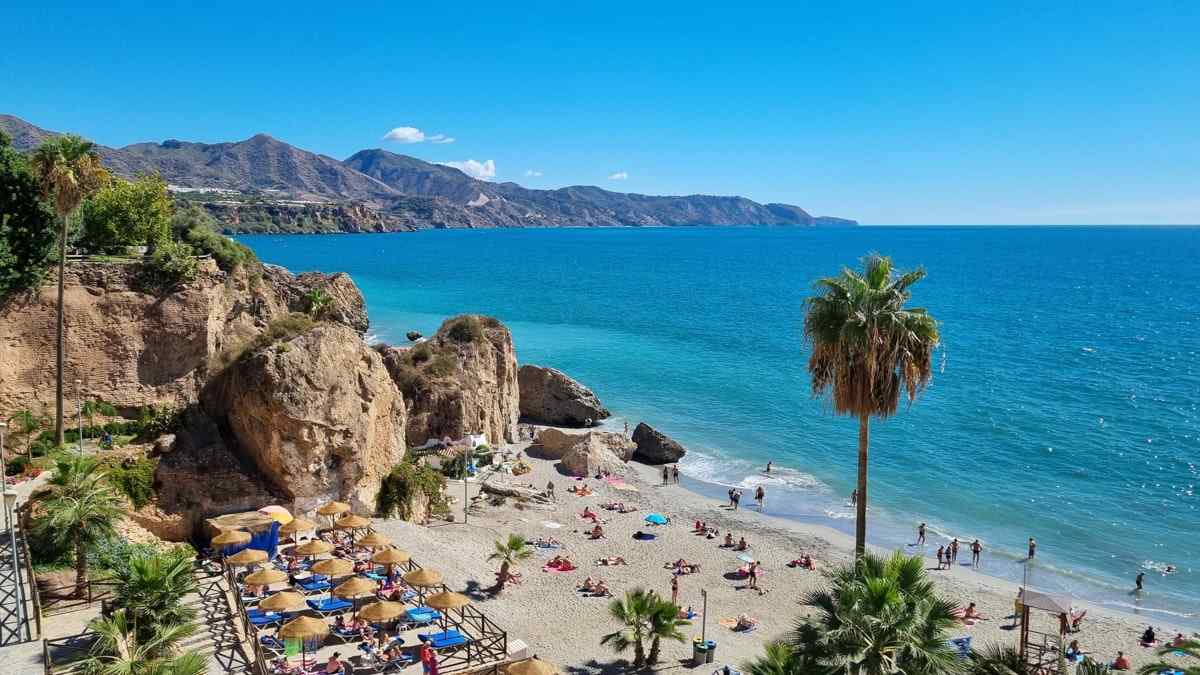
Granada's stretch of Mediterranean coast is called the Costa Tropical, and the name is not just marketing. Mountains shelter it from cold northern air, so farmers grow avocados, mangoes and custard apples on terraces above the sea. Those fruits come up to Granada's markets, and the fish comes up to its bars.
Chirimoya
The chirimoya (custard apple, cherimoya) is a green, scaly fruit with soft, sweet white flesh and large black seeds. The Chirimoya de la Costa Tropical de Granada-Málaga carries a protected designation of origin, covering towns such as Almuñécar, Motril, Salobreña and Jete on the Granada side. Its season runs through autumn and winter. Buy one ripe (it should give slightly when pressed), cut it in half and eat it with a spoon. You will see mangoes and avocados from the same coast in the markets in season too.
Fish on the coast itself
If you want fish straight from the sea, go down to the coast for a day. Grilled sardines on a skewer (espetos), fried fish and seafood rice are standard on the beach restaurants. Our article on the closest beach to Granada explains how to get there, and the Almuñécar day trip covers the town where the custard apple growers' regulatory council is based, with fish, fruit and a beach in one outing.
Sweets and bakery: piononos, bread and Moorish-influenced pastries
Granada has a sweet tooth, and some of its pastries trace back to the city's Moorish centuries and the convent kitchens that came after.
Piononos de Santa Fe
The pionono is Granada's signature pastry: a small cylinder of thin sponge, soaked in syrup, rolled tight and topped with a dome of toasted, caramelised cream. Two bites, very sweet. It was created in Santa Fe, a town on the Vega just west of Granada, and the accepted story credits pastry maker Ceferino Isla, founder of Casa Ysla, who named it in 1897 in honour of Pope Pius IX (Pío Nono in Spanish). Casa Ysla still makes them, and pastry shops all over the city sell their own. Buy a box of six and eat them with coffee.
Pan de Alfacar
Alfacar, a village in the hills just north of the city, has supplied Granada with bread for centuries. Its round, crusty loaves earned EU protected status (IGP) in 2013. You will meet this bread at breakfast whether you notice or not: a toasted slice with olive oil and crushed tomato is how much of the city starts its day.
Soplillos and almond sweets
Soplillos are light almond meringues from the Alpujarras, made with egg white, sugar, lemon and chopped almonds. They are sold in boxes in shops around the region. They belong to a wider family of almond and honey sweets, including pestiños (fried dough glazed with honey) at Easter and Christmas, that show how long almonds and honey have been part of cooking in this part of Spain.
Churros con chocolate
Fried strips of dough dipped in thick, hot chocolate. It is a breakfast and late-afternoon ritual across Spain rather than a Granada speciality, but Granada has two well-known old cafés for it. Café Fútbol on Plaza Mariana Pineda has served chocolate since the early twentieth century, and Gran Café Bib-Rambla sits on Plaza Bib-Rambla behind the cathedral. Go on a cold morning and share a plate.
Drinks: wine, beer and tea
Since your drink brings your food, it is worth knowing what to order.
Beer
Ask for "una caña" and you get a small draught beer, the default order with tapas. Cervezas Alhambra was founded in Granada in 1925 and is the beer you will see in most bars. A caña keeps the rounds small, so you get more tapas before you get too much beer.
Wines of the Granada province
Granada has its own protected wine denomination, DOP Granada, with a sub-zone called Contraviesa-Alpujarra in the hills between the Sierra Nevada and the sea. The vineyards are high and the production small, so you will not find these wines everywhere, but more wine-focused bars and restaurants list a few. Ask for "un vino de Granada" and see what comes out. Bodegas Castañeda, an old tavern on Calle Almireceros in the centre, is known for its vermouth and for a good free tapa with each glass.
Tea in the Albaicín
Below the Albaicín, Calle Calderería Nueva is lined with teterías: small, dim teahouses serving sweet mint tea (té moruno), flavoured teas and Arabic-style pastries made with almonds, honey and sesame. Some are excellent and some are aimed squarely at passing tourists, so pick one that looks lived-in. A pot of tea here makes a good break between sightseeing and dinner. The rest of the Albaicín is a steep, rewarding walk up from there.
Where to eat in Granada, area by area
Knowing what to eat in Granada only helps if you are in the right bar. Where you eat matters almost as much as what. A dish in a bar where locals stand three deep is a different thing from the same dish on a tourist square.
The Realejo
The old Jewish quarter, south of the centre and below the Alhambra hill, is one of the best places in the city for tapas. Bars around Campo del Príncipe and along the streets leading off it fill with local families and friends in the evening, and the free tapa tradition is strong. It feels like a neighbourhood rather than a sight, which is exactly why the food is good.
The centre: Calle Navas, Almireceros and around the cathedral
Calle Navas, near the town hall, is a long street of tapa bars, some very good and some tired, so check what other people are eating before you sit down. Just off it, the small streets behind Plaza Nueva hold older taverns. The Mercado de San Agustín, a municipal market next to the cathedral, combines produce stalls with food counters and is useful for a quick lunch or for picking up fruit, cheese and ham.
The Albaicín and Sacromonte
Up the hill, you are mostly paying for the view. Restaurants near the Mirador de San Nicolás and along the slopes facing the Alhambra are fine for one special dinner, but the food is rarely the main reason to go. If you want that view with dinner, our guide to restaurants with an Alhambra view helps you choose. For tea, stay lower down on Calle Calderería Nueva.
The student area
Around Calle Pedro Antonio de Alarcón, south-west of the centre, bars cater to Granada's large student population. Tapas tend to be big and filling (think burgers, fried potatoes and sandwiches) rather than traditional. It is cheap and lively, and it is not where you go for tortilla del Sacromonte.
What to avoid
Be careful on the busiest squares, especially Plaza Nueva and Plaza Bib-Rambla at mealtimes. Picture menus in five languages, waiters calling you in from the pavement and paella advertised at 19:00 are all warning signs. Paella is a Valencian rice dish, and a place pushing it to passers-by in Granada is cooking for tourists. Walk two streets away and things improve quickly. The exception: an old café or a long-running bar on those squares can be perfectly good. Judge the place, not the square.
Vegetarian options and allergens
A common worry for anyone working out what to eat in Granada without meat: traditional food leans heavily on pork and offal, and ham turns up in places you might not expect, including vegetable dishes. Vegetarians can still eat well; you just have to ask.
- Safe bets: berenjenas con miel, gazpacho and salmorejo (check for ham on top), patatas a lo pobre on their own, grilled asparagus, revuelto with vegetables, and many tetería dishes in the Albaicín.
- Ask before ordering: habas con jamón can sometimes be made without ham; remojón can be made without cod. Not every kitchen will do it.
- Useful phrases: "Soy vegetariano / vegetariana" (I am vegetarian), "sin carne ni pescado" (without meat or fish), "sin jamón" (without ham).
- Free tapas: because the kitchen chooses, tell the bar at your first order that you do not eat meat. Many bars will happily send something different.
On allergens, EU rules require restaurants and bars in Spain to tell you which of the 14 main allergens (including gluten, nuts, eggs, fish, milk and sesame) are in their food. Many bars have an allergen chart; if you do not see one, ask for "la carta de alérgenos". Do mention a serious allergy clearly, because frying oil is often shared and cross-contact is common in small kitchens.
Eat like a local for one day
Here is a simple plan that covers most of the list in a single day without trying too hard. If you are still deciding what to eat in Granada on a short visit, this is the order we would do it in.
- Breakfast, about 9:00: a café near your base for a tostada con aceite y tomate (toasted bread with olive oil and grated tomato), perhaps with Trevélez ham on top, and a coffee. Or go for churros con chocolate if it is cold.
- Mid-morning: a pionono and a coffee at a pastry shop, or a walk through the Mercado de San Agustín to see what is in season.
- Lunch, about 14:00: a menú del día on a weekday, or a shared plato alpujarreño, habas con jamón and a remojón in winter.
- Afternoon: mint tea and an almond pastry on Calle Calderería Nueva below the Albaicín.
- Evening tapas, from about 20:30: three or four bars, one or two drinks in each, letting the free tapas do the work. Order a ración of fried fish or berenjenas if you want something specific, and finish with a plate of ham.
That is the traditional Granada food circuit in one day: bread, ham, mountain food, a pastry, tea and the tapa rounds. Knowing what to eat in Granada is half the job; the other half is pacing yourself.
What to eat on Alhambra day
Visiting the Alhambra takes the best part of a day, and the timing of your ticket for the Nasrid Palaces fixes your schedule. Plan your food around it rather than the other way round. You can sort your Alhambra tickets first and then fit meals around your palace slot.
- Morning slot: have a proper breakfast first (toast with oil and tomato, coffee), carry water and a piece of fruit, and plan a late lunch back in town afterwards. You will be hungry by 14:00, which is exactly lunchtime in Spain.
- Afternoon slot: eat a good lunch in the Realejo or the centre and walk up afterwards. Do not go in on an empty stomach; the visit involves a lot of walking and there are few places to eat once you are inside the grounds.
- Evening: after an afternoon visit, walk down through the woods to the Realejo or Plaza Nueva for tapas. A few rounds with free plates is the most relaxing way to end the day.
Practical Information
| Free tapas | In most traditional bars, each drink (beer, wine, soft drink) comes with a free tapa. Terraces and newer places may not follow the custom. |
|---|---|
| Lunch hours | Roughly 13:30 to 16:00 in most restaurants; busiest 14:00 to 15:00. |
| Dinner hours | Kitchens usually reopen from about 20:30; locals eat from 21:00. |
| Menú del día | Fixed-price set lunch on weekdays: starter, main, dessert or coffee, bread and a drink. |
| Portion sizes | Tapa (small, often free) < media ración (half plate) < ración (full sharing plate). |
| Protected local products | Jamón de Trevélez (IGP), Pan de Alfacar (IGP), Espárrago de Huétor-Tájar (IGP), Chirimoya de la Costa Tropical de Granada-Málaga (DOP), DOP Granada wine. |
| Seasonal dishes | Remojón and chirimoya in autumn and winter; olla de San Antón in January; habas and asparagus in spring; gazpacho in summer. |
| Allergens | Bars and restaurants must tell you about the 14 main allergens; ask for "la carta de alérgenos". |
| Opening hours of named places | Change by season and day; check before you go. |
Frequently Asked Questions
What is the most typical food in Granada?
The dish most closely tied to the city is the tortilla del Sacromonte, an omelette made with brains and other offal. In everyday terms, though, the most typical things you will eat are the free tapas that come with drinks, Trevélez ham, habas con jamón, berenjenas con miel and the pionono, a small syrup-soaked pastry from nearby Santa Fe. Together they give you a fair picture of Granadian cuisine.
Are tapas really free in Granada?
In most traditional bars, yes. Every drink you order (beer, wine, a soft drink) comes with a small plate of food at no extra charge, and the drink price covers it. The bar usually chooses what you get, and each round brings something new. Some newer places, restaurant terraces and spots on the busiest tourist squares do not follow the custom, so if the tapa does not arrive, you are in one of those.
What time do people eat dinner in Granada?
Restaurants usually open their kitchens for dinner from about 20:30, and locals tend to sit down from 21:00 onwards. Lunch is the main meal, served roughly from 13:30 to 16:00. Tapa bars help you bridge the gap, because many serve food with drinks in the late afternoon when restaurants are closed.
What dessert is Granada known for?
The pionono. It is a small rolled sponge soaked in syrup and topped with toasted cream, created in Santa Fe, just west of Granada, and named after Pope Pius IX. You will find it in pastry shops all over the city. Churros with thick chocolate are also a local habit, although they are eaten all over Spain.
Is Granada good for vegetarians?
It is manageable but takes some asking. Traditional food uses a lot of ham and pork, even in vegetable dishes. Fried aubergine with cane syrup, gazpacho, grilled asparagus, potatoes and vegetable revueltos are reliable, and the teahouses of the Albaicín have meat-free options. Tell the bar you are vegetarian at your first order so your free tapas fit.
What should I eat in Granada in winter?
Winter is the season for mountain food and citrus. Look for olla de San Antón in January, plato alpujarreño, choto al ajillo, remojón granadino made with fresh oranges, and chirimoya from the coast. Finish with churros and chocolate on a cold morning.
Where is the best area for tapas in Granada?
The Realejo is the neighbourhood locals point to for traditional tapas, especially around Campo del Príncipe. The centre around Calle Navas and the small streets behind Plaza Nueva also has good bars mixed with tourist ones, and the student streets around Pedro Antonio de Alarcón serve big, cheap tapas. Avoid places with picture menus and pavement touts on the main squares.
Do I need to tip in Granada bars?
Tipping is not expected in tapa bars. Many people leave the small change or round up the bill. In a sit-down restaurant, leaving a little extra for good service is appreciated, but there is no fixed percentage like in some countries.
Staying nearby: Terraza 6
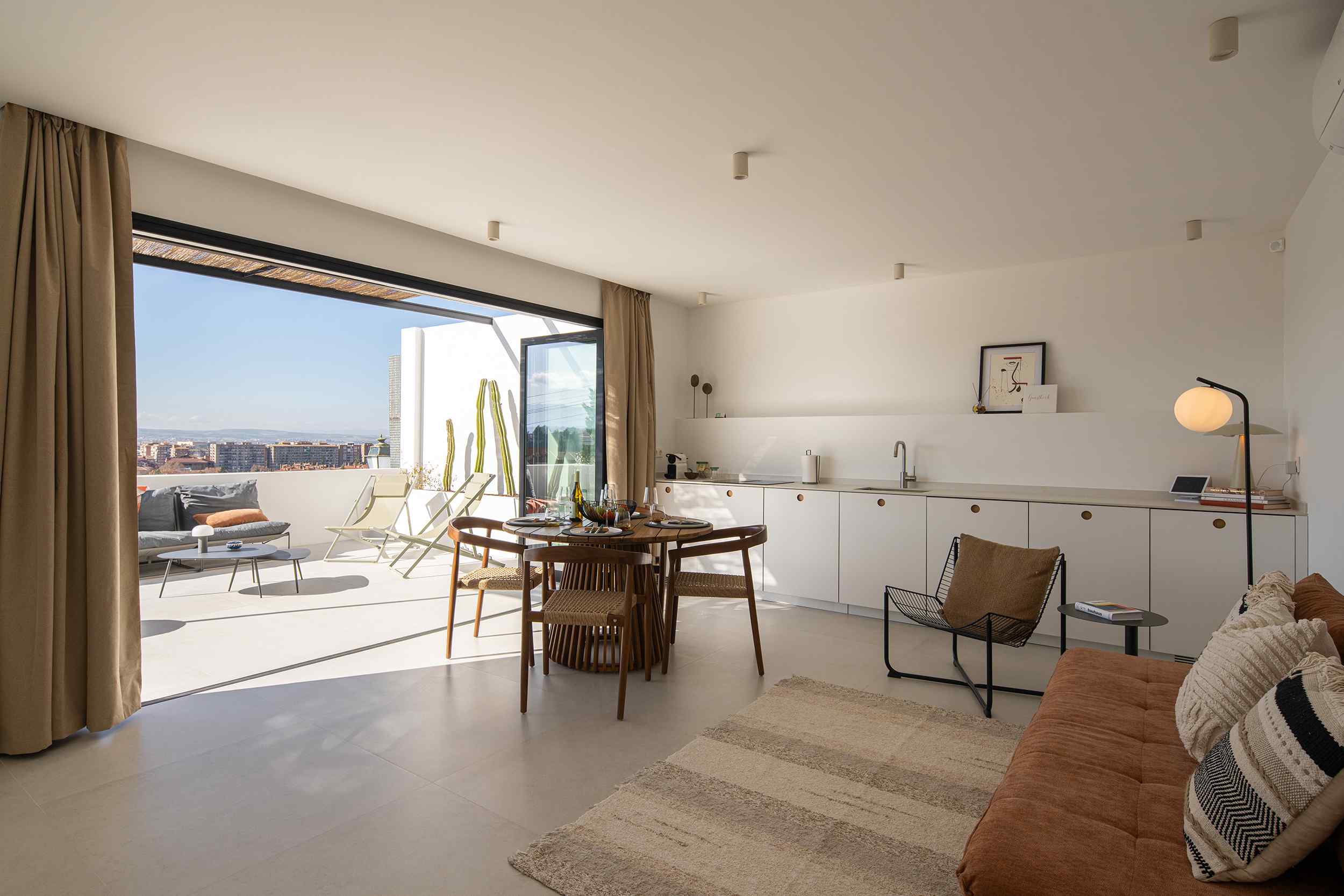
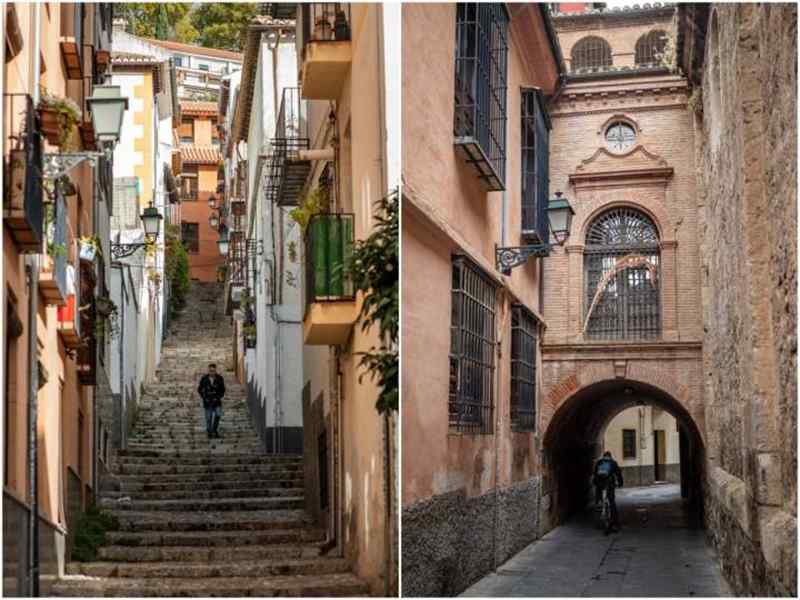
Terraza 6 is a four-guest holiday apartment in the Realejo, the old Jewish quarter just south of the centre, which means the tapas neighbourhood described above starts at your door. Evenings are easy: walk out, do a round of bars, walk back. The Alhambra ticket area is about 15 minutes' walk, and Plaza Nueva about 20 minutes.
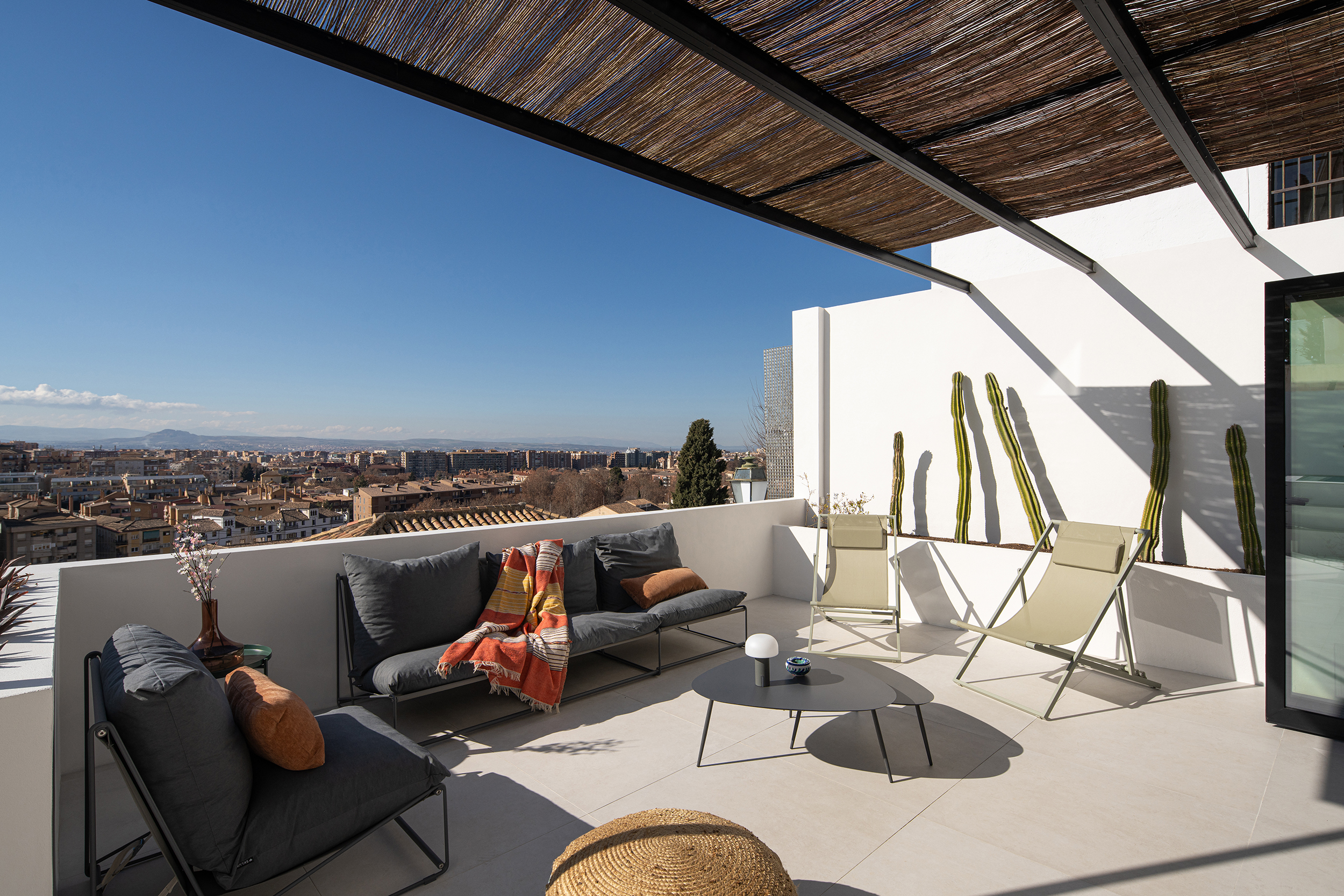
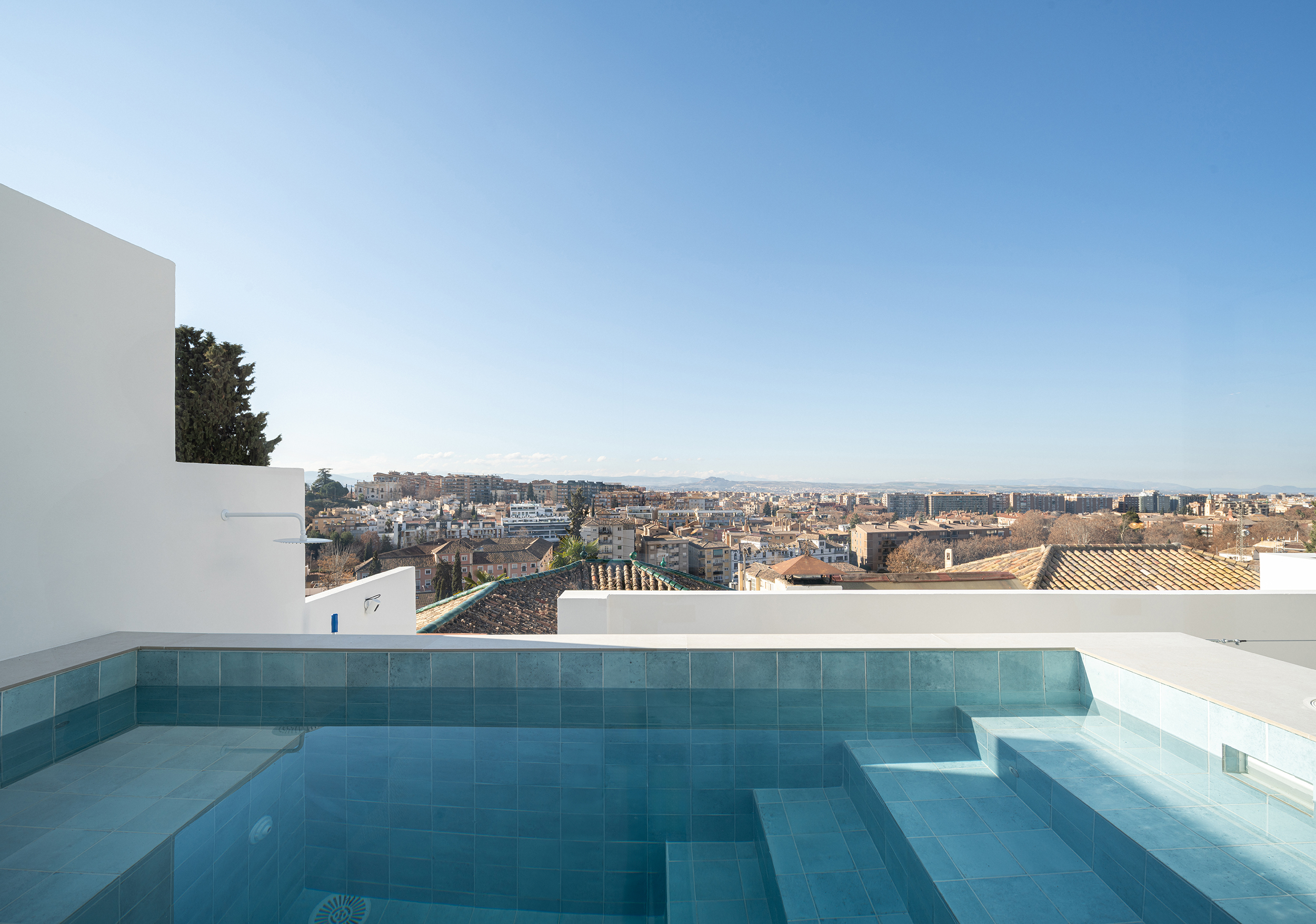
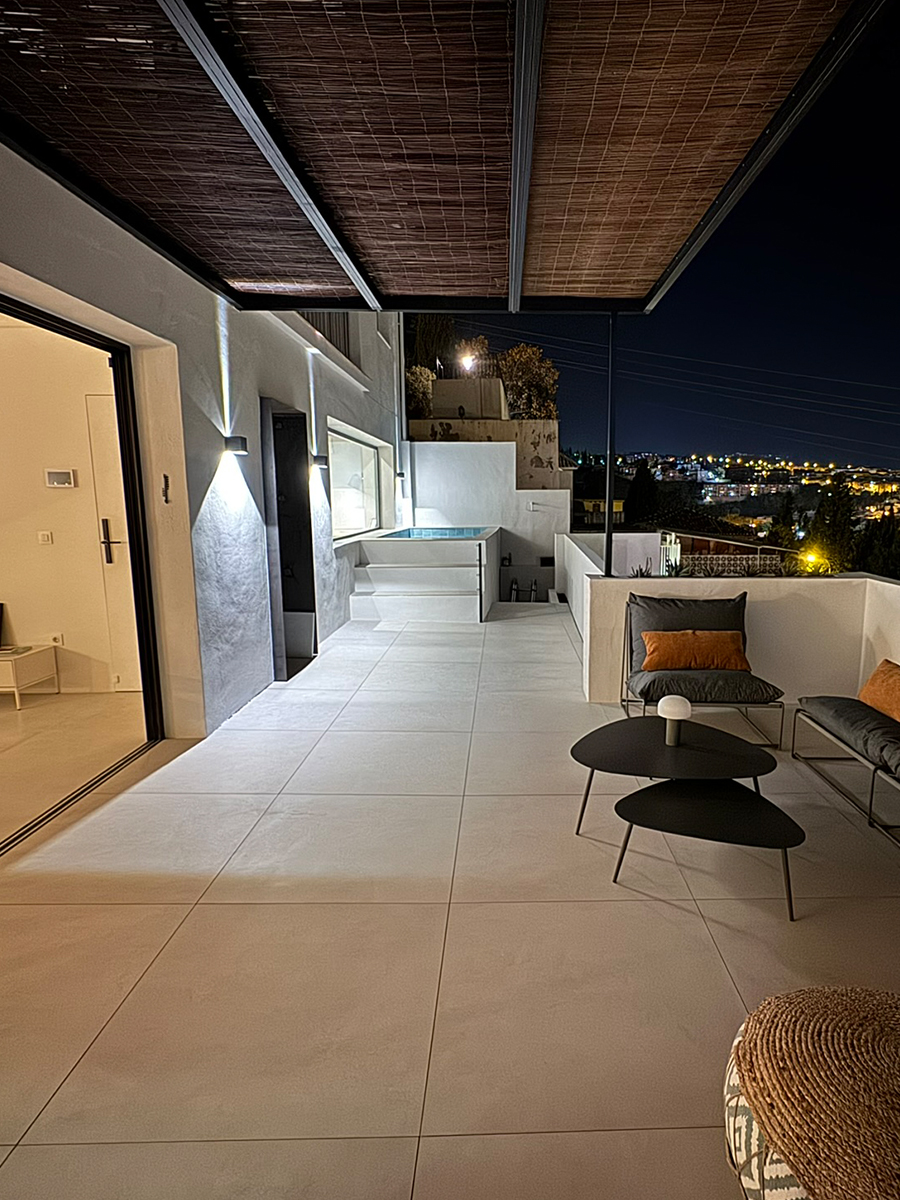
The apartment has a full kitchen, so you can bring back fruit from the market, Alfacar bread and a packet of Trevélez ham and make breakfast at home before an early palace slot. On warm days, the large private ground-floor sun terrace with its private plunge pool and outdoor shower is a good place to eat it. The street is quiet, and the 1 Gbps fibre WiFi helps if you need to check opening hours or plan the next day's meals.
Book direct at terraza6.com/book/ for the best rate.