The Alhambra is genuinely rewarding for families. With the right sections, the right timing, and a little preparation, it works brilliantly for children of most ages — and children under 12 enter free.
Many parents hesitate before visiting a UNESCO World Heritage Site with young children. The Alhambra tends to surprise them. The complex is far more than a sequence of ornate rooms — it includes open gardens, tower ramparts to climb, fountains and waterways, wide grassy areas, and forest paths. Children who would struggle through the Nasrid Palaces alone often thrive when the visit is structured around the parts that engage them most.
The key is to plan the visit rather than trying to cover everything. Prioritise the Alcazaba fortress for younger children — the towers and battlements hold attention well — and add the Generalife gardens for space to breathe. Save the Nasrid Palaces for older children or for the end of the visit when you can gauge their energy. Children under 12 enter the entire complex free, which removes some of the pressure to fit everything in.
View the Apartment 900 m from the Alhambra · Realejo, GranadaThe Alhambra complex has four main areas. Each one offers something different for families — here is what to expect from each.
The Alcazaba is the original military fortress and the oldest part of the Alhambra. For children, it is arguably the most engaging section of the entire complex. The Torre de la Vela (watchtower) offers 360-degree views over Granada and the Sierra Nevada, reached via a spiral staircase that children tend to find exciting rather than daunting. The open battlements are well-fenced and safe, and the whole area has an adventure-playground quality that holds children's attention naturally.
The Generalife is the summer palace and gardens of the Nasrid sultans, and it offers a welcome change of pace from the indoor palaces. Water channels run through the courtyards, narrow cypress hedges frame shaded walkways, and there are wide open lawns where children can run without restriction. The sounds of flowing water and the scale of the gardens make it one of the most calming sections of the visit — especially useful mid-morning when younger children need a break from enclosed spaces.
The Nasrid Palaces are the centrepiece of the Alhambra and the most visited section — with good reason. The Court of the Myrtles, the Hall of the Ambassadors, and the Court of the Lions are genuinely extraordinary. For older children and teenagers, the geometric tile patterns, carved plasterwork, and muqarnas ceilings are endlessly intricate and visually arresting. For children under 7, the pace and density of the indoor spaces can become difficult — particularly if they have already done the Alcazaba and gardens.
The Renaissance palace built by Charles V is often overlooked by visitors focused on the Nasrid Palaces. For families, it offers a very useful breathing space: a large circular open courtyard with nowhere to get lost, good shade, benches for parents, and enough room for children to sit and eat snacks without causing disruption. The Fine Arts Museum inside is small and manageable — a genuine option for older children interested in painting and sculpture.
A realistic guide to what works at each age — and what to prioritise.
Toddlers can have a genuinely good time at the Alhambra, but only with realistic expectations. Focus entirely on the Alcazaba and the Generalife. Skip the Nasrid Palaces or save them for a very brief walk-through if the child is calm and rested. Bring snacks, water, and a stroller for the garden sections. Two hours is plenty — leave before tiredness sets in.
This age group handles the Alcazaba, Generalife, and a shorter walk through the Nasrid Palaces without too much difficulty, particularly in the morning. Brief them on what the Alhambra is before you go — children this age engage well with the idea of a palace on a hill where sultans lived. Allow time to explore the towers. Bring a simple activity (drawing, scavenger hunt) for quieter sections. Three hours is a comfortable limit.
Children in this range can do the full Alhambra — Alcazaba, Nasrid Palaces, Charles V Palace, and Generalife — in a single visit with breaks. The intricate geometry of the Nasrid Palaces tends to fascinate this age group, particularly if they have been introduced to Islamic art or architecture. Build in rest time, bring good snacks, and consider the morning coolness as a genuine advantage.
Teenagers can get as much from the Alhambra as adult visitors, particularly if they have some context. Reading or watching something about the history of Al-Andalus before the visit transforms the experience. They may also appreciate the photography opportunities, the city views from the towers, and the surrounding forest paths. A full morning visit followed by lunch in the Realejo neighbourhood works well.
Stay 900 metres from the Alhambra — walk there with the children every morning.
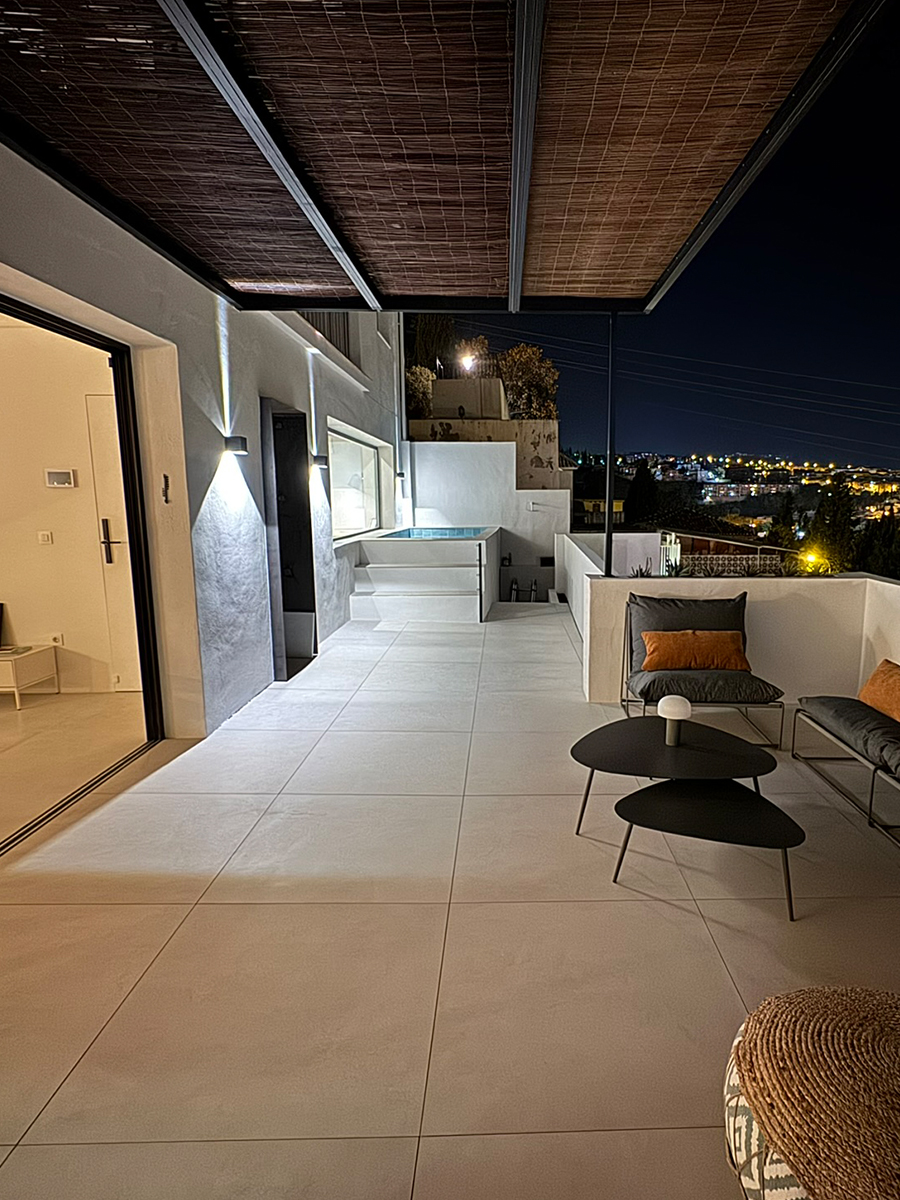
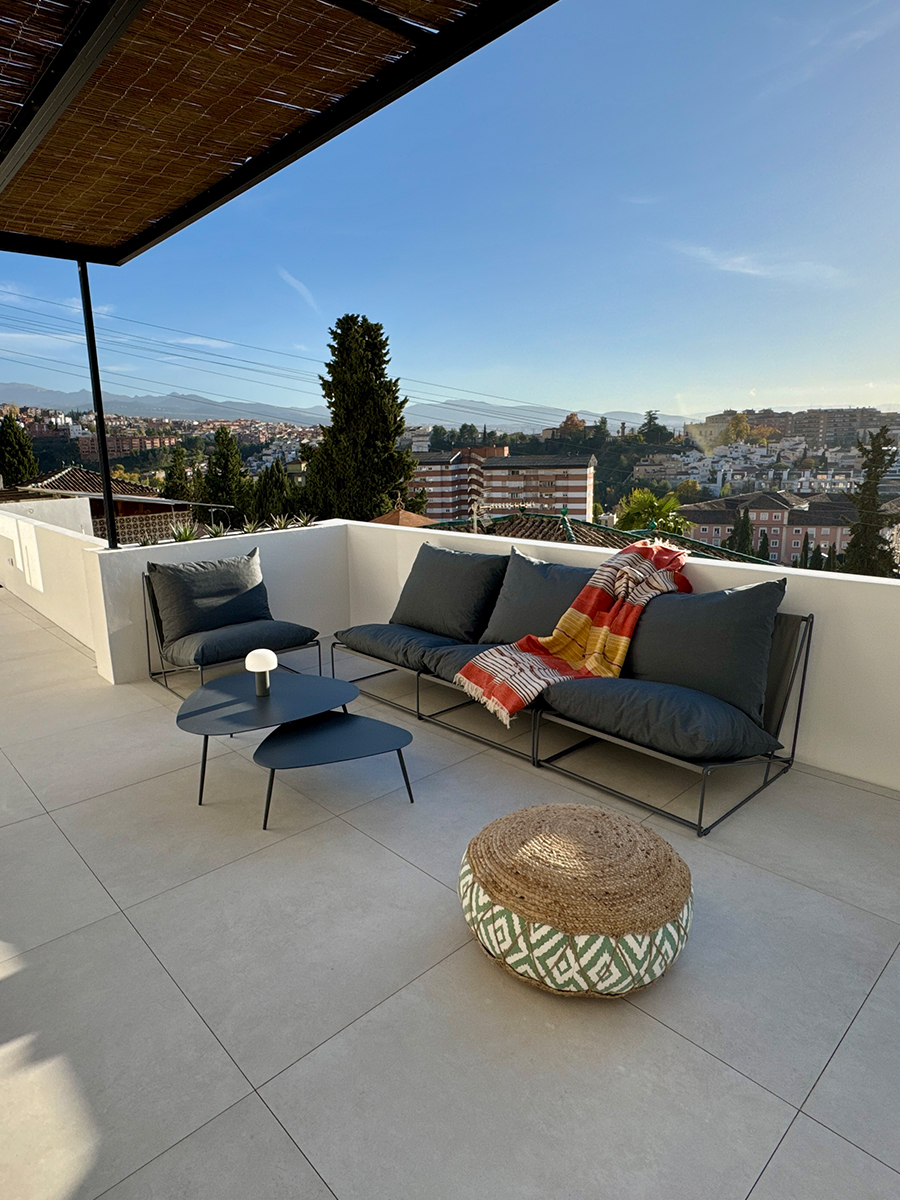
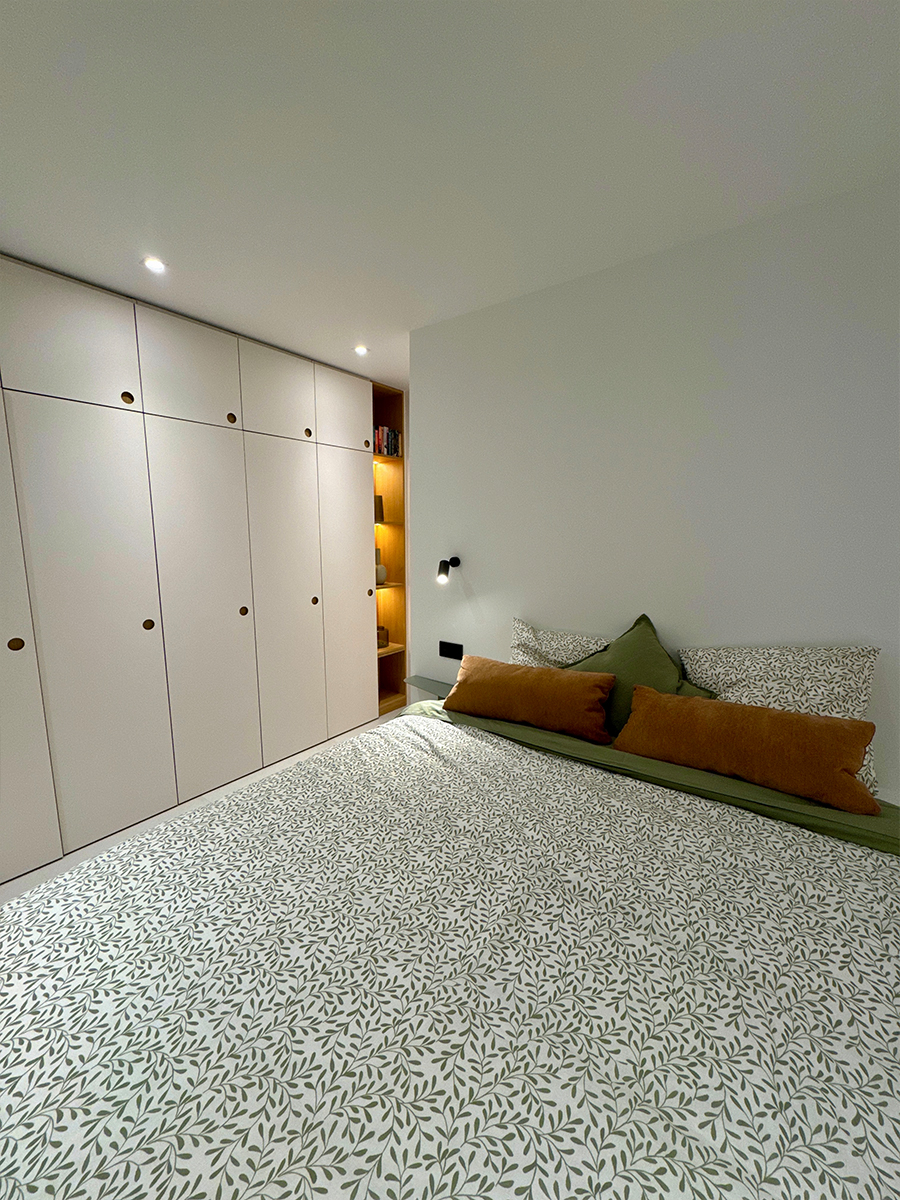
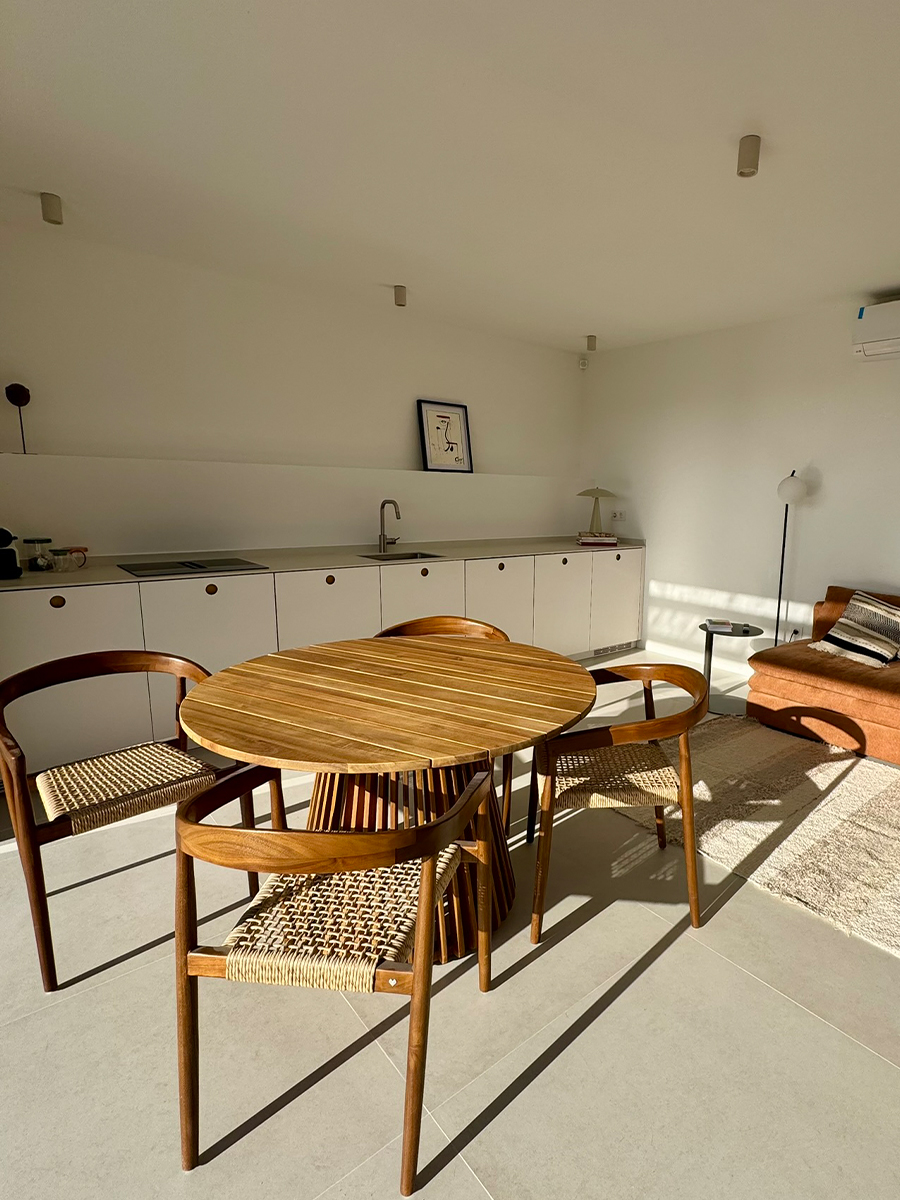
Terraza 6 is in Realejo, directly below the Alhambra. Your own private pool for after the visit, a panoramic terrace, and free street parking if you arrived by car.
The Alhambra sells out weeks ahead in peak season. Book as soon as your travel dates are confirmed. Children under 12 enter free but still need a ticket — add them when booking. Arriving without a ticket means no entry, no exceptions.
The complex gets busy by mid-morning in summer, and heat inside the Nasrid Palaces can become draining for young children. An early start means cooler air, smaller crowds, and a better chance of children engaging well with what they see.
There is a café near the Palace of Charles V but options inside the complex are limited. Bring substantial snacks and at least 1.5 litres of water per person in summer. Food breaks at the Generalife or the Charles V courtyard are the most enjoyable — find a shaded bench and stop properly.
Pushchairs and strollers are permitted in most of the Alhambra complex, including the Alcazaba and Generalife. The Nasrid Palaces have some narrow doorways and uneven floors that can be challenging. A compact, manoeuvrable stroller is better than a large pram. Baby carriers also work well throughout.
The Nasrid Palaces have timed entry and take 60–90 minutes. After them, most families benefit from a proper stop — water, snacks, sitting down — before continuing to the gardens or Alcazaba. Don't try to keep moving immediately.
Children who know something about what they are seeing engage more deeply. A brief age-appropriate story about the Nasrid sultans, a YouTube video about the Alhambra, or a look at photos the night before makes a meaningful difference, especially for the 6–12 age group. It turns sightseeing into a kind of treasure hunt.
Answers to the questions families most often ask before visiting the Alhambra with children.
Yes. Children under 12 enter the entire Alhambra complex free of charge. However, they still need a ticket, which you should book in advance through the official Alhambra website. Children between 12 and 15 pay a reduced price; full adult admission applies from 16 upwards.
Yes, with a focused plan. The Alcazaba fortress and the Generalife gardens work very well for toddlers and babies — there is open space, shade, and plenty of visual interest. The Nasrid Palaces can be more challenging: they are enclosed, busy, and require a slow pace. With a stroller and realistic expectations (two hours maximum), a toddler visit can be very successful.
Yes. Strollers are permitted throughout most of the Alhambra, including the Alcazaba and Generalife. The Nasrid Palaces have some tight doorways and uneven stone floors, so a compact, lightweight stroller is easier to manage than a large pram. Baby carriers are also a practical alternative for the indoor sections.
For families with children under 7, two to three hours is ideal — focus on the Alcazaba and Generalife. For children aged 7–12, three to four hours allows you to add the Nasrid Palaces with a proper break. With teenagers, a full morning (four to five hours) is manageable if paced well. Always leave before energy runs out rather than trying to finish every section.
The Alcazaba fortress. It has towers to climb, open battlements to explore, and panoramic views that impress children and adults equally. It is active, adventurous, and well-suited to shorter attention spans. The Generalife gardens are also excellent for young children — flowing water, open space, and shade make it a natural rest and play area.
There is a café near the Palace of Charles V that sells light snacks, drinks, and simple food. Options are limited and prices are higher than outside. For families with young children, the safest approach is to bring your own snacks and water. The Charles V courtyard and the Generalife gardens both have good seating and shade for food breaks.
Terraza 6 is a private apartment in Realejo — 900 metres from the Alhambra entrance, with a private pool for the children after the visit, a panoramic terrace, and a calm neighbourhood where they can sleep properly. No shared facilities. No resort noise. Just a private base in Granada.
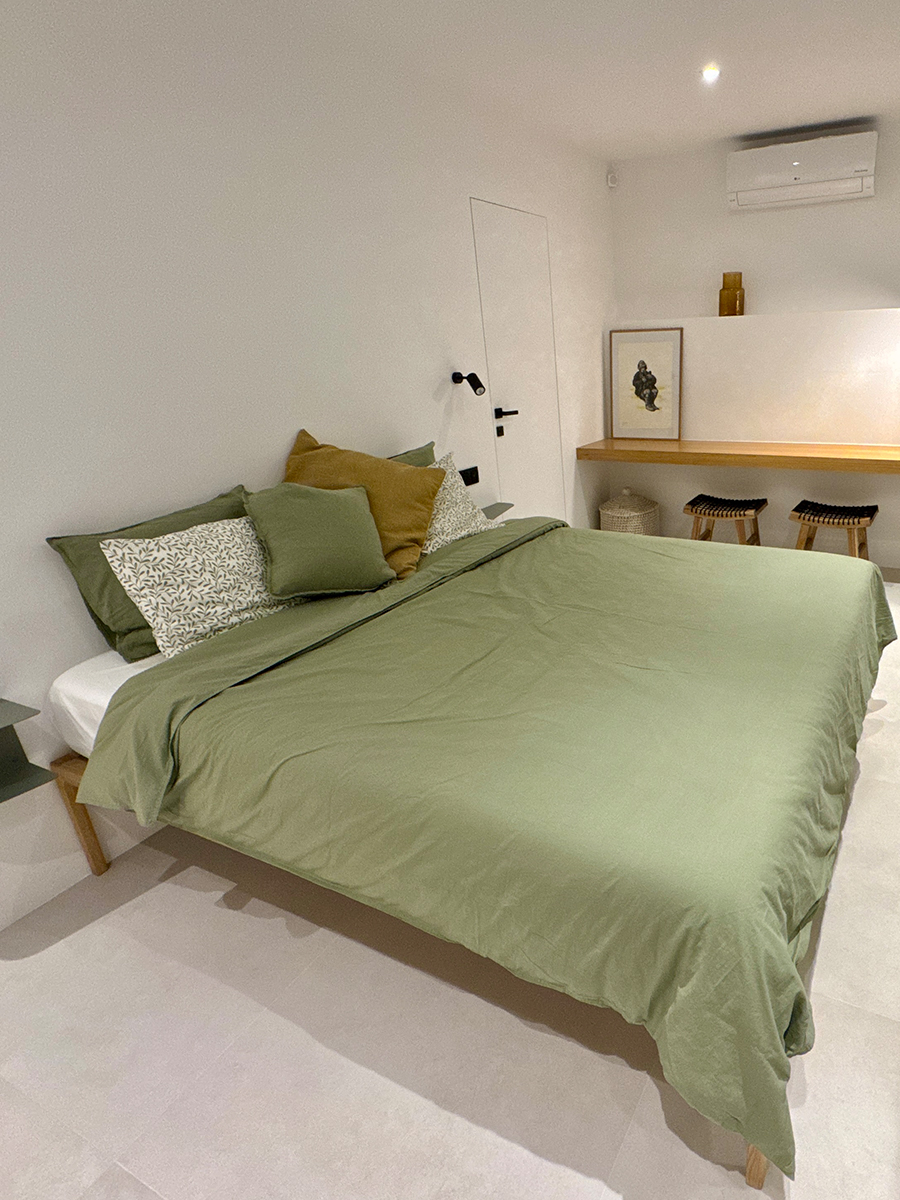
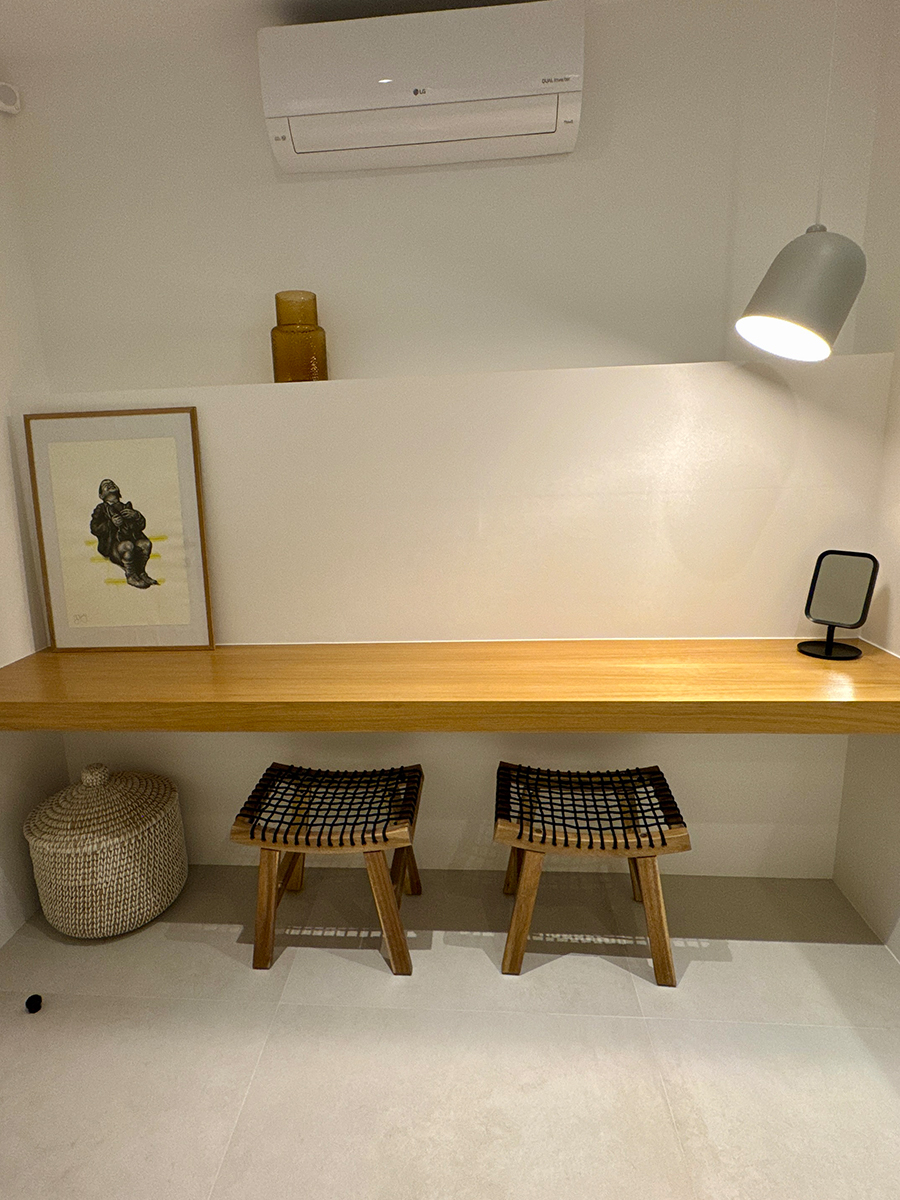
No booking fees. Direct contact with the owners.Terraza 6 is a luxury apartment in Granada with a private pool, a spacious terrace with panoramic city views, and every comfort you'd want during a stay in Andalusia. It's designed for people who want more than a standard rental — somewhere with real character, thoughtful details, and a direct link to one of Spain's most remarkable cities.
The Alhambra, the Albaicín, and some of the best tapas bars in the country are all within easy reach. We know Granada well and share everything we've learned with every guest — from the most useful practical tips to the places most visitors never find.
Booking direct means you deal with us personally. We're easy to reach and happy to help before, during, and after your trip.