
Andalusian food is considerably more varied than most visitors expect. The region's culinary identity draws on several deep traditions: the chilled soups and fried fish of the hot coastal summers; the slow-braised meats and earthy stews of the inland winters; and an unmistakeable Moorish influence — over 700 years of rule that left almonds, spices, aubergines, and chickpeas embedded in the cooking.
Granada is a very good base from which to understand Andalusian food. Some of the best-known regional dishes appear on menus throughout the city, while the surrounding area — the Alpujarras, the coast south of Motril, the towns of the Vega — gives you easy access to dishes specific to this part of the region.
Six Classic Andalusian Dishes
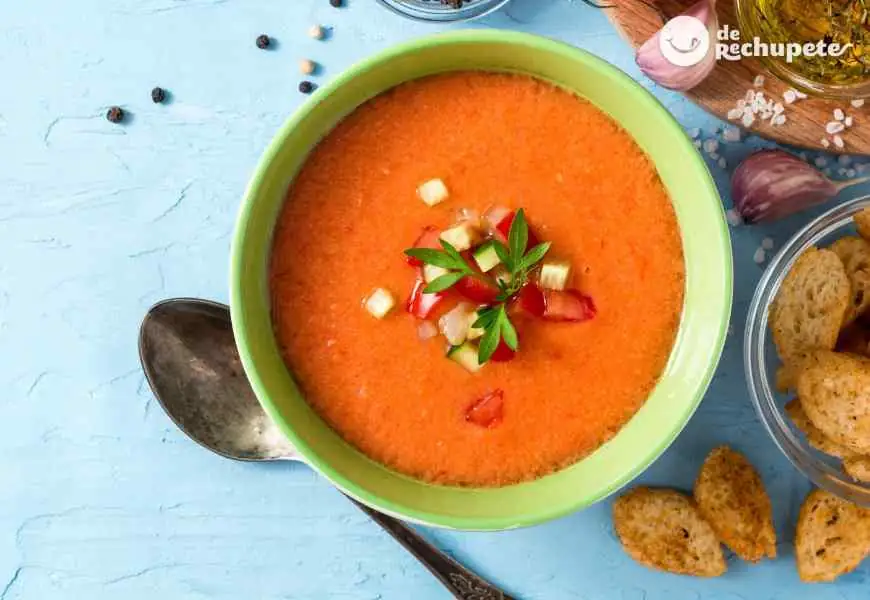
The defining dish of Andalusian summers — a cold, blended soup of tomato, cucumber, pepper, garlic, olive oil, and vinegar. Served chilled and drunk or eaten with a spoon, it's both a starter and a refreshment. The quality varies significantly: a proper gazpacho made with ripe tomatoes and good olive oil is a completely different thing from the watered-down versions served in tourist spots. In Granada, look for it from May onwards when the tomatoes are worth using.
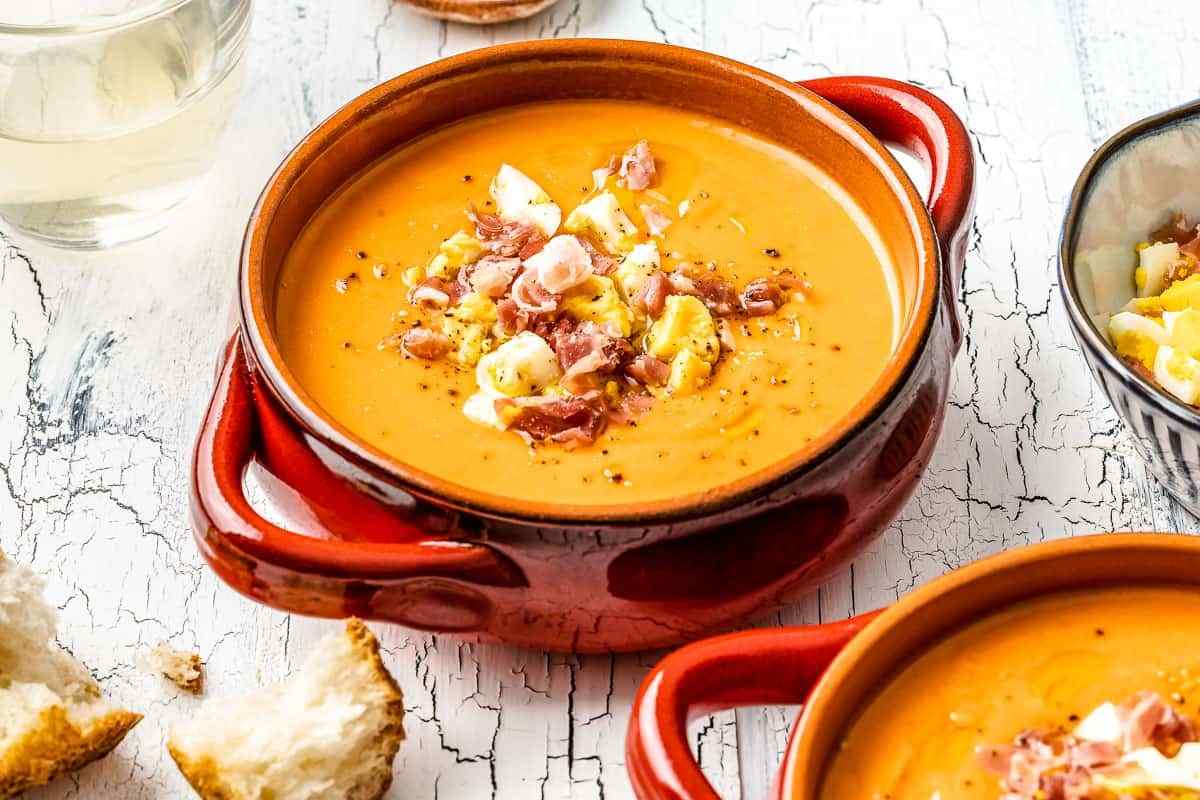
Salmorejo is gazpacho's thicker, richer cousin — made from bread, tomatoes, garlic, and olive oil, blended until smooth and creamy. It's almost always served topped with diced jamón and hard-boiled egg. While it's associated primarily with Córdoba, you'll find it across Andalusia. It works as a starter, a light lunch, or a serious tapa, and it's one of the most satisfying things to eat in the region on a warm day.
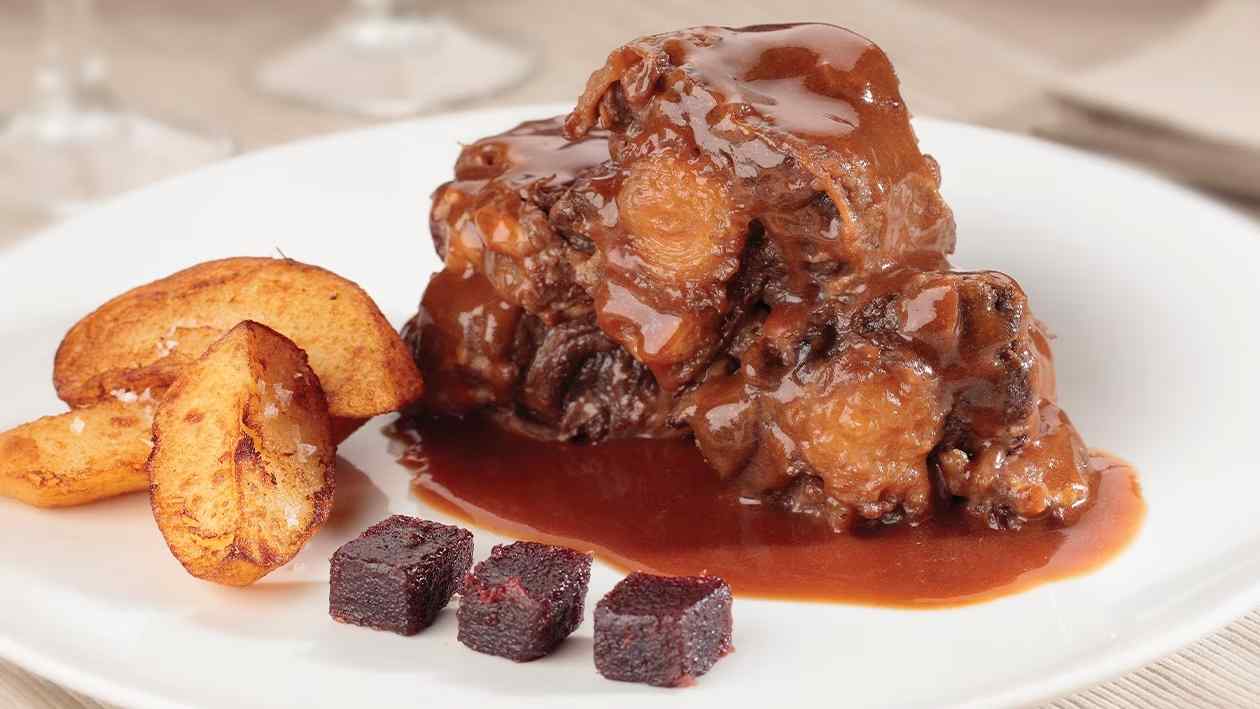
Oxtail braised slowly in red wine, tomatoes, bay leaves, and aromatics until the meat falls apart and the sauce reduces to something deep and intensely flavoured. It's associated with the bullfighting culture of southern Spain but is now just a staple of serious Andalusian cooking. Best in autumn and winter, and one of the most worth-ordering dishes when you want something substantial. Often served with fried potatoes or rice.
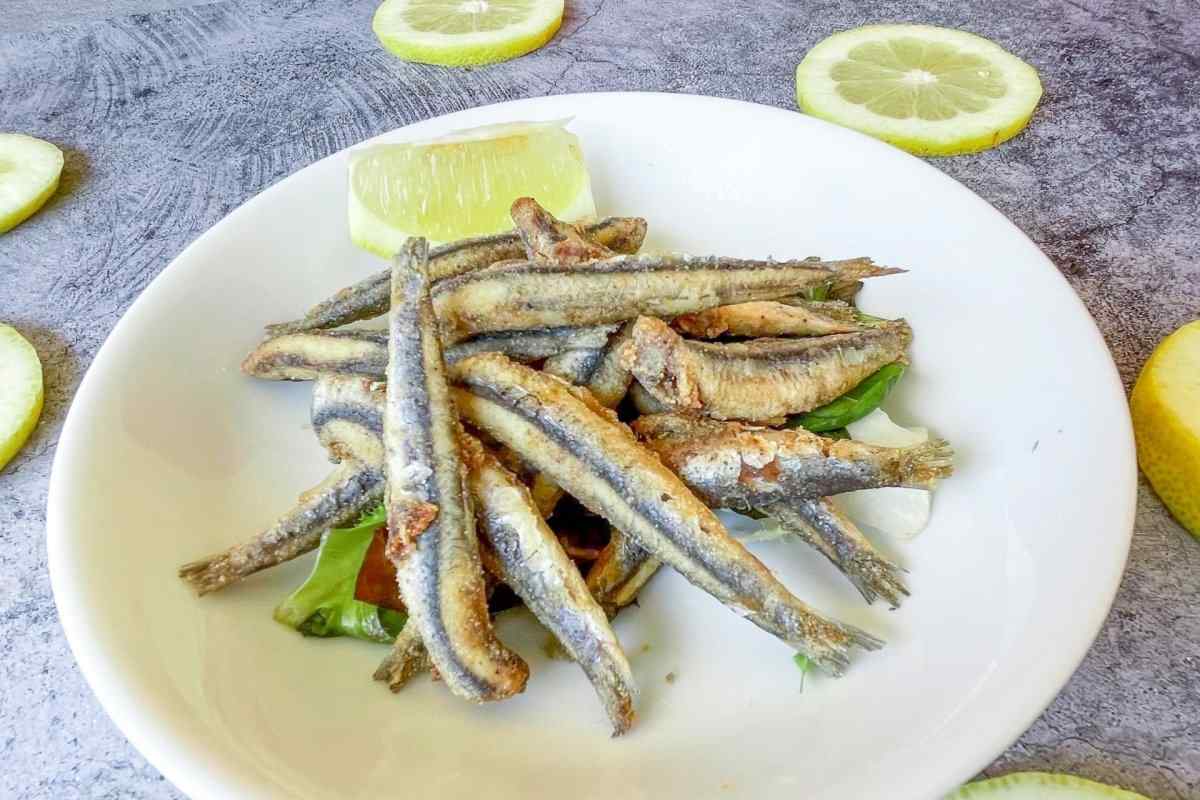
Andalusia's approach to frying fish is its own thing — small pieces of fresh fish (anchovies, squid, whitebait, red mullet) dusted lightly in flour and dropped in very hot olive oil for a matter of seconds. The result should be crisp, light, and not oily. It's coastal food and it's at its best near the water — particularly along the Costa Tropical south of Granada, or in the chiringuitos of Málaga, Cádiz, and Almería.
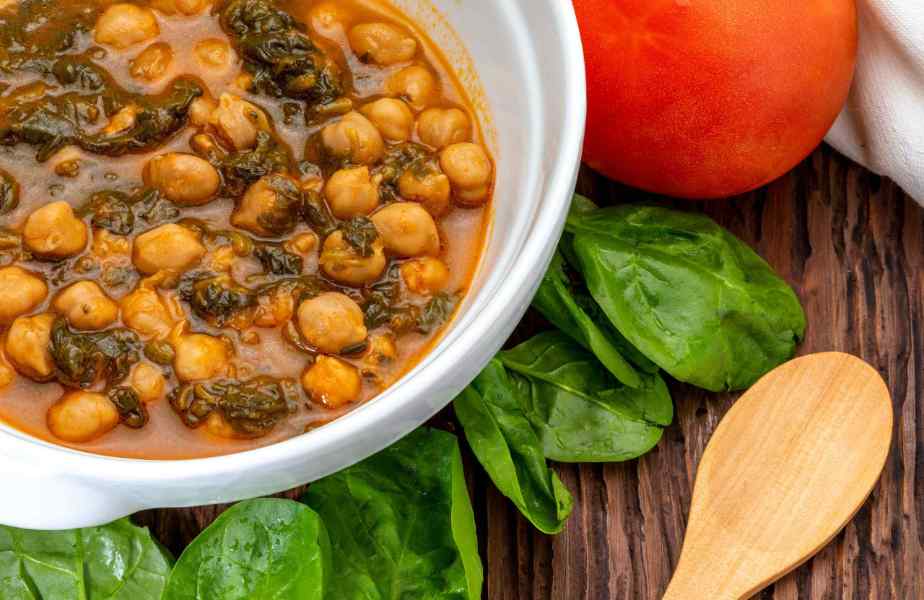
Wilted spinach with chickpeas, cooked in a sauce of tomato, garlic, cumin, and sometimes a fried bread thickener — a dish that maps almost directly onto medieval Andalusian recipes. It's one of the clearest culinary survivals of the Moorish period. Found in tapas bars across Andalusia, usually served warm. Earthy, nutritious, and genuinely distinctive — a tapa that has nothing to do with tourist menus.
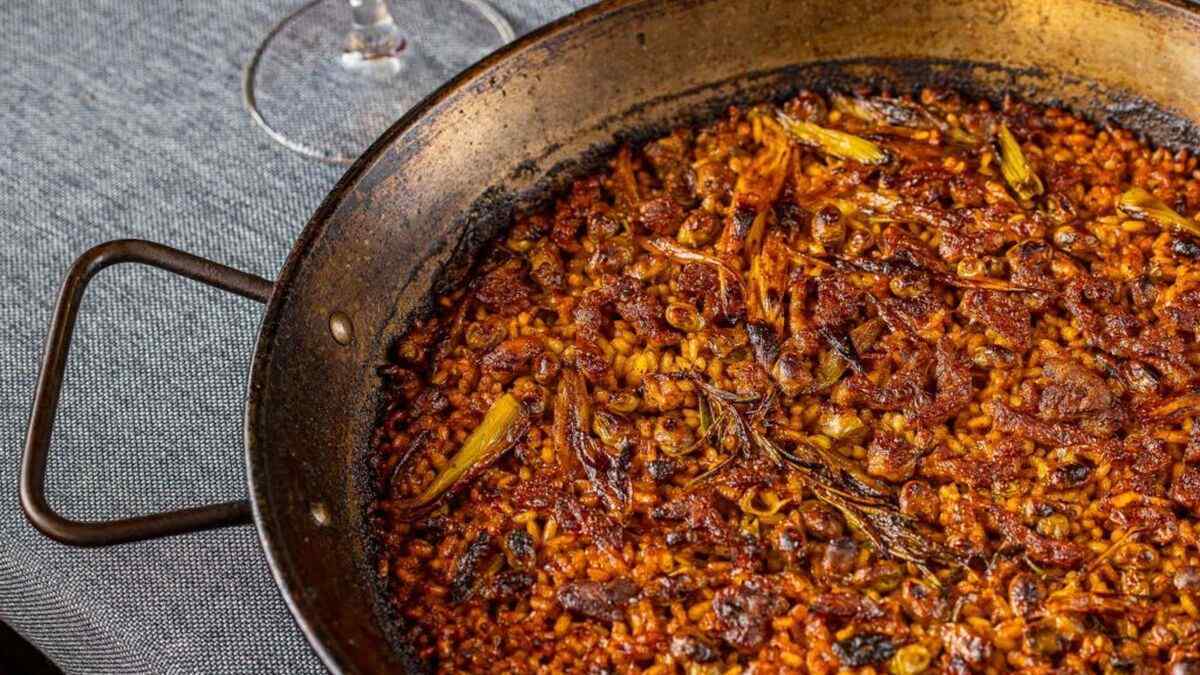
A coastal rice dish from the Málaga area, cooked with seafood, fish stock, and saffron — less famous than paella but more rooted in this part of the coast. Different from the Valencian tradition: wetter, often cooked in a clay pot, and specifically tied to the ingredients of the Mediterranean. Worth looking for if you head south from Granada toward the coast.
How to Eat Your Way Through Andalusia
Cold soups suit the heat — order them in summer
Gazpacho and salmorejo are drinks as much as dishes. In summer, when temperatures in Granada and across Andalusia regularly exceed 35°C, they're a practical response to the climate as much as a tradition. In winter, they're still available but the slow-cooked meat dishes make more contextual sense.
Olive oil is the foundation — quality matters
Andalusia produces roughly 40% of the world's olive oil, and the quality in local bars and markets is exceptional. When a dish calls for olive oil — and most of them do — the cooking relies on it being good. At better bars, the bread, the salads, and the fried dishes all benefit from oils you'd pay significantly more for elsewhere.
Use Granada as a base for the wider region
Andalusia's food is best understood in context. Granada is inland at altitude — the cooking there is different from the coast 70 kilometres south, different from Córdoba, different from the Alpujarras 40 kilometres east. Day trips from the apartment let you move between those food cultures in a single day: lunch by the sea, tapas in a mountain village on the way back.
Your base for exploring Andalusian food
Terraza 6 is in Realejo — close to Granada's best restaurants, tapas bars, and neighbourhood eating. Private pool, panoramic terrace, and direct booking.
Book DirectBest rate direct · No booking fees · Up to 4 guests · Private pool
Check Availability