 Terraza 6
April 1, 2026
10 min read
 Terraza 6
Walk out the front door on Calle Villar Yebra, turn left, and in five minutes you are at Campo del Príncipe — the square that anchors the Realejo's tapas scene....
Walk out the front door on Calle Villar Yebra, turn left, and in five minutes you are at Campo del Príncipe — the square that anchors the Realejo's tapas scene. You do not need a taxi, a reservation, or a plan. You just need to know where to go.
The Realejo is Granada's former Jewish quarter, set between the base of the Alhambra hill and the city centre. It is quieter than the Albaicín and less visited than the tourist axis around Plaza Nueva, which means its bars serve a mix of university residents, local families, and guests who have discovered that this is the neighbourhood worth staying in. The food reflects that: straightforward, serious in places, with enough variety that you can spend several evenings here without doubling back.
This guide covers the bars worth your time — what each one is best for, what to order, and how to put an evening together from the street. If this is your first time in Granada, it also explains how the free tapas system works, because understanding it will change how you drink and eat for the rest of your stay.
Granada is one of the last cities in Spain where every drink arrives with a free tapa. This is not a marketing flourish — it is simply how things are done here, and it has been for generations.
Order any drink — a beer, a glass of wine, a soft drink, or a sparkling water — and a tapa arrives automatically, either brought to you or offered as a choice from a small selection. The tapa appears on no bill. You pay only for the drink. At some bars the tapas arrive in sequence, getting more substantial with each round; at others you choose from a short menu.
What qualifies: beer (caña or jarra), wine by the glass, soft drinks, sparkling water.
What does not: coffee, tea, and mixed drinks (copas) typically do not come with a tapa.
The local rhythm is called tapeo: one drink and one tapa at one bar, then move to the next. This is how residents eat an entire dinner across four or five stops without spending a great deal, and it is the most enjoyable way to see the neighbourhood after 8 pm. Lunch tapas run from around 1 pm to 4 pm; the evening round starts at 8 pm and continues past midnight.
One phrase worth knowing: "¿Todavía ponéis tapas?" — "Are you still serving tapas?" Useful if you arrive late at any bar on this list. And at the busier places, particularly La Tana, arriving early makes the difference between a table and a long wait.
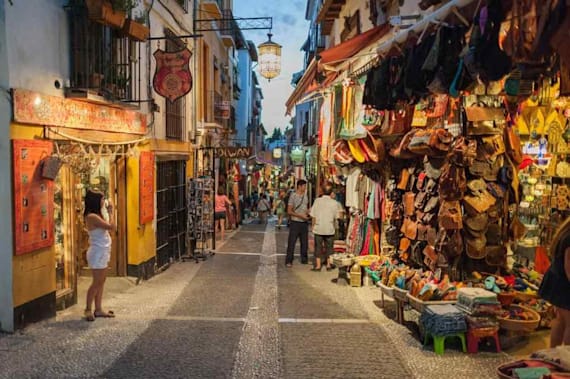
The neighbourhood's tapas scene runs along two main axes. Calle Pavaneras (which becomes Calle Santa Escolástica further along) is the street where several of the most characterful individual bars sit — start here if you want to build up gradually. Campo del Príncipe, five to seven minutes' walk from Calle Villar Yebra, is the main square: terrace bars, a leafy plaza, and the natural midpoint of any evening.
A third thread runs along Calle Molinos — quieter, less visited, and described by those who know it as holding onto the neighbourhood's "true idiosyncrasies." Worth a detour if you are staying more than a couple of nights.
All the bars below are within ten minutes of each other on foot. The suggested route at the end of this guide proposes a sequence, but the bars work equally well in any order.
Staying in Granada?
Calle Monjas del Carmen, 2
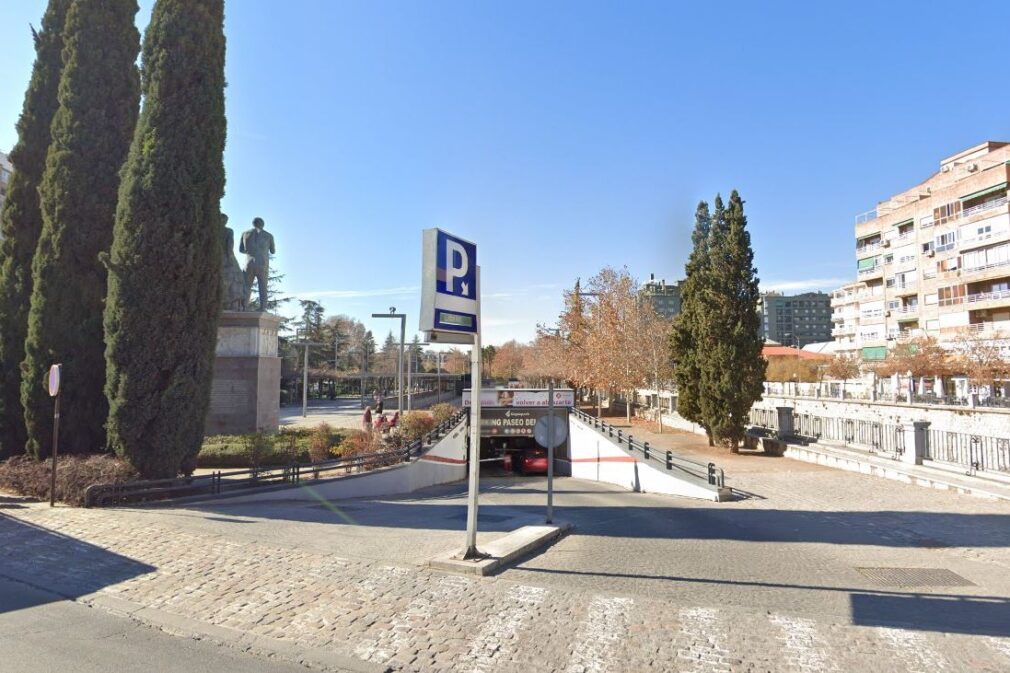
The wine house at the entrance to the neighbourhood from Calle Pavaneras is a natural first stop. Over 200 wine references are displayed on the shelves by glass and bottle, each labelled with origin and price, and fortified wines get particular attention alongside a serious vermouth selection. The atmosphere is warm, the lighting is low, and jazz or blues plays in the background — a good opening bar precisely because it is calm enough to settle into. Small plates of pâté, cheese, and cured meats come alongside the wine. Worth noting: the Ibn Tibbón statue just outside the entrance marks the beginning of the Realejo proper, a nod to the medieval Jewish scholar whose community once gave this quarter its character.
Calle Pavaneras, 9
Candela opened in 1994 as one of the first bars in the revitalised Realejo, and it has not needed to update its identity since. The interior is covered in posters from local festivals and murals by El Niño de las Pinturas — the Granada street artist whose large-scale figurative work decorates buildings across the neighbourhood. Regulars include university professors, local residents, and anyone who has been coming here long enough to be a regular. The food is straightforward: a wide selection of montaditos and sandwiches, with veal in Porto wine and ham with artichokes and cheese as the dishes most frequently mentioned. The music is good without being loud. Bar lore has it that Oscar Isaac stopped in here before filming in the region — a story the bar tells without pushing, which is exactly the right way to handle it.
Plaza del Realejo, 1
El Sota has been open since the early 1900s — over 120 years in the same location, under the same family for multiple generations. The name comes from the knave card in the Spanish deck, reportedly a password used by customers to access gambling games held on the premises during periods when gambling was prohibited. That version of the place is long gone, but the history gives it a density that younger bars do not have. The kitchen is known for oxtail paella and bacalao, and the tapas are generous. Come here if you want to eat in a place that remembers several versions of this city.
Placeta del Agua, 3
La Tana was named best wine bar in Spain at the International Wine Challenge — a fact the bar states on its own homepage without fanfare. The list runs to around 600 wines in total, with roughly 80 available by the glass, and the focus is on Spanish producers with particular depth in Granada's own winemaking. Founded in 1993 by a mother-and-sister team, it is now run by sommelier Jesús González and his sister Luisa. The interior is lined with bottles, the tables are small, and the atmosphere is one of genuine concentration on what is in the glass. Complimentary tapas come with each drink; guacamole has appeared as one. The practical note that every source agrees on: it fills up quickly after 8:30 pm. Arrive closer to 8 pm if you want a table rather than a wait.
Hours: Monday to Friday, 12:30–16:00 and 20:30–midnight. Saturday and Sunday, 13:00–16:00 and 20:30–midnight. Worth checking these before you go, as they can shift seasonally.
Campo del Príncipe, s/n
The square's most established bar has been running for over 30 years and has the kind of familiar, slightly lived-in atmosphere that comes from knowing most of the people who walk in. The signature dish is caracoles — snails — which are a genuine Andalusian staple here rather than a novelty for visitors. Also on the menu: salmorejo, loin with garlic, and eggplant, alongside quail and the traditional pajarillos fritos (fried small birds), which is the sort of dish that tells you exactly where you are in terms of regional food culture. The terrace on the square is worth waiting for between May and October; in winter, the cosy country-style interior is the better choice.
Placeta del Hospicio Viejo, 3
Finding this bar is part of the experience — it is set in a small, slightly hidden plaza off the main streets of the neighbourhood, and the calm of the terrace when you arrive is a decent reward for the detour. Potemkin has been running since May 2012 and serves a full Japanese kitchen: yakitori, gyoza, edamame, chirashizushi, takoyaki, salmon don, and matcha tiramisu. On Wednesdays and Saturdays from 1 pm through midnight, sushi tapas are served alongside drinks. Kirin Ichiban is on tap. This is clearly not a traditional Andalusian tapas bar, and it does not try to be — it is a quality Japanese kitchen in a medieval neighbourhood, which turns out to be a combination that works. Hours: daily 1:00–3:30 pm and 8:00–11:00 pm.
Cuesta del Realejo, 10
El Jergón is built into a cave — a literal cave interior, not a stylistic choice — and serves entirely vegetarian and largely vegan tapas while flamenco music plays continuously. Signature dishes include migas with pomegranates and chard with chickpeas. The craft beer comes from Bandolera del Sur in Córdoba. Live concerts (Spanish guitar, saxophone, jazz) run alongside the regular programme. It is the most unusual bar on this list, and probably in the neighbourhood. If you are vegetarian or vegan, this is not a compromise option — it is the reason to come. If you eat everything, come anyway for the atmosphere and the sense that this particular street corner is unlike any other.
Calle Santa Escolástica, 19 (some listings show number 16 — confirm before visiting)
The name comes from the concept: three ways of eating — hands, cutlery, chopsticks. Chef and owner Antonio Rojas runs a kitchen with six small tables and one communal table, which means the space fills completely and the food gets full attention. The menu is creative and changes; confirmed dishes have included tempura cod with romesco sauce, octopus ceviche, dogfish with cream, and a japo-Andalusian prawn fry with coconut. Local Granada wines — Señorío de Nevada, Spira — are used in the pairings. With a TripAdvisor rating of 4.8 out of 5 from over 547 reviews, it is the neighbourhood's most acclaimed kitchen. The limited seating means this is the one bar on this list where booking is not optional — it is the difference between getting in and not. Call or book ahead.
Calle Palacios, 17 (in front of the Church of Santo Domingo)
Ajoblanco is the quietest bar on this list, and deliberately so. No soft drinks, no kegs, no televisions. Sommelier owner Nicolás Fernández stocks natural wines from Granada alongside cavas from producers including Rovellats, Pere Mata, and Mas Comtal. Oysters are available. The atmosphere is described consistently as "out of time" — it functions at a different pace from the Campo del Príncipe terraces. Works well as a closing stop on any route, particularly on a Sunday afternoon when the rest of the neighbourhood is starting to slow down.
This is one way to build an evening from around 7:30 pm:
Swap La Tana for Picoteca 3 Maneras if food is your priority for the evening — but book the latter in advance. Add El Jergón early in the route if your group is vegetarian or wants a contrast to the traditional bars.
Cash or card: Bring cash. Most Realejo bars operate on a cash preference; while some (La Tana and Potemkin are the most reliably card-accepting) take cards, it is safer to have notes with you.
Campo del Príncipe terraces: These are significantly more pleasant from May through October. In winter, the indoor bars — La Tana, La Brujidera, Candela — are the better evening options.
Not in the Realejo, but worth knowing: Bar Poë on Calle Verónica de la Magdalena, 40 is in the Centro-Sagrario district, about ten to twelve minutes' walk from Campo del Príncipe. International fusion tapas (Thai chicken, piri-piri pork, coconut chicken), with customers choosing from a selection. Cash only. Tuesday to Sunday from 8 pm. Worth adding as a fourth stop if you want to extend the evening into the centre.
Timing: The neighbourhood tapas scene on Campo del Príncipe is liveliest Thursday through Saturday. For a quieter, more local experience, Tuesday or Wednesday evenings are when the regulars come out.
If an evening in the Realejo gives you a sense of the neighbourhood's range, the rest of Granada rewards the same approach: go further in, ask locally, and do not over-plan. The Alhambra is a 12-minute walk from Calle Villar Yebra — early-morning tickets are worth everything — and there is a full guide on the site covering tickets, timing, and what to see once you are inside.
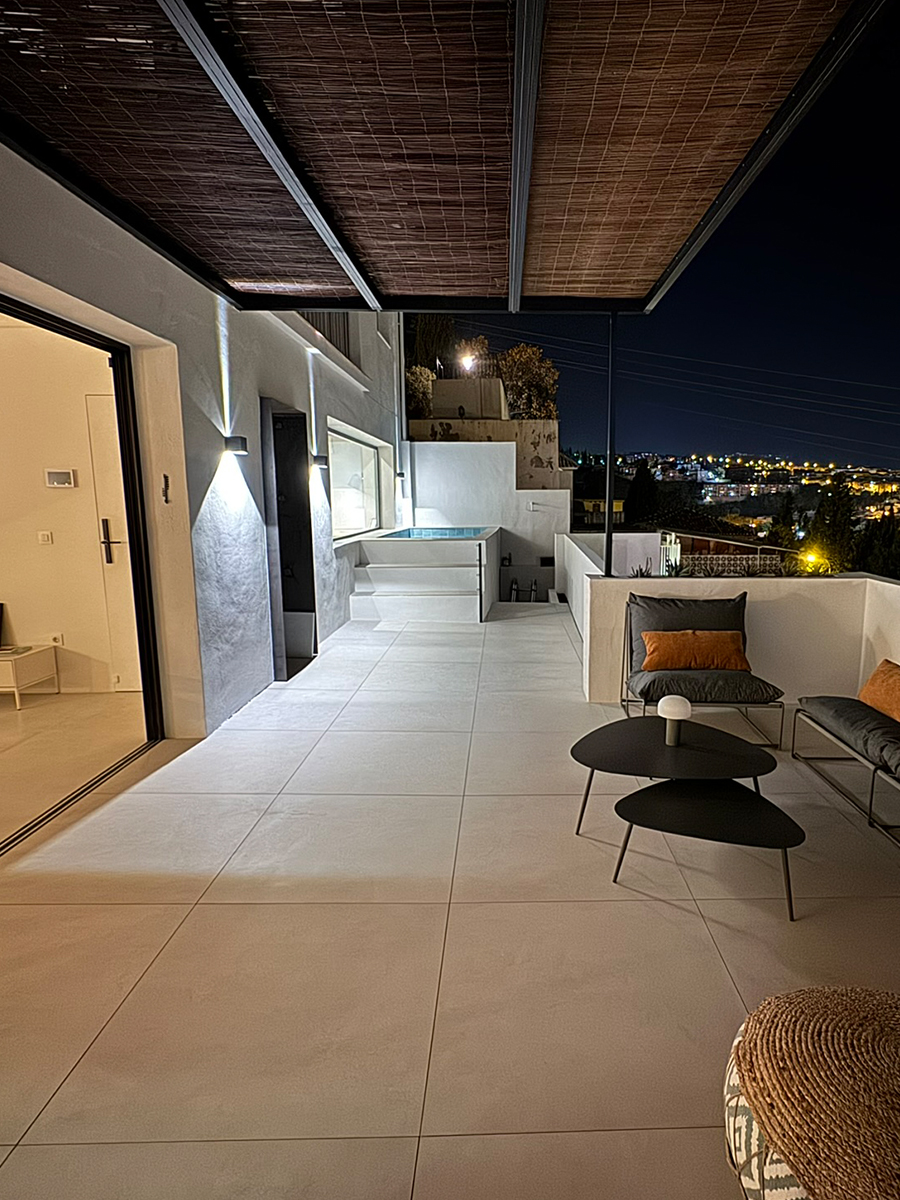
Staying in the Realejo means you are already positioned for all of it. If you have not sorted accommodation yet, the apartment at terraza6.com/book/ sits directly in this neighbourhood, with a private pool terrace and a digital guide to Granada — including the restaurants above — waiting on arrival.
What guests say
"Siemen was a wonderful host and the place lived up to all the photos! We especially enjoyed the views and the outdoor space and found the walkability nice. Siemen was helpful with finding parking and providing what we needed for our infant to stay as well. 10/10 for the design of the place, would definitely stay again!"
"We loved everything, but the most the tarrace and the pool with amazing view! The appartment is very modern, clean, comfortable. There is everything what you need for short stay. The host - Siemen is wonderful- very niice, helpful and carrying. The location is very good, you can go by walk but if it is too hot, you can easy catch taxi- is very cheap in Granada. We used taxi all the time. The most beautiful place is Alhambra and old town with beautiful fointains. If you have enough tome visit the place woth flamenco! We spent 2 wonderul days in Granada! We had perfect stay by Siemen!!"
Everything in this guide works even better when you stay somewhere calm, private, and well placed for the city.
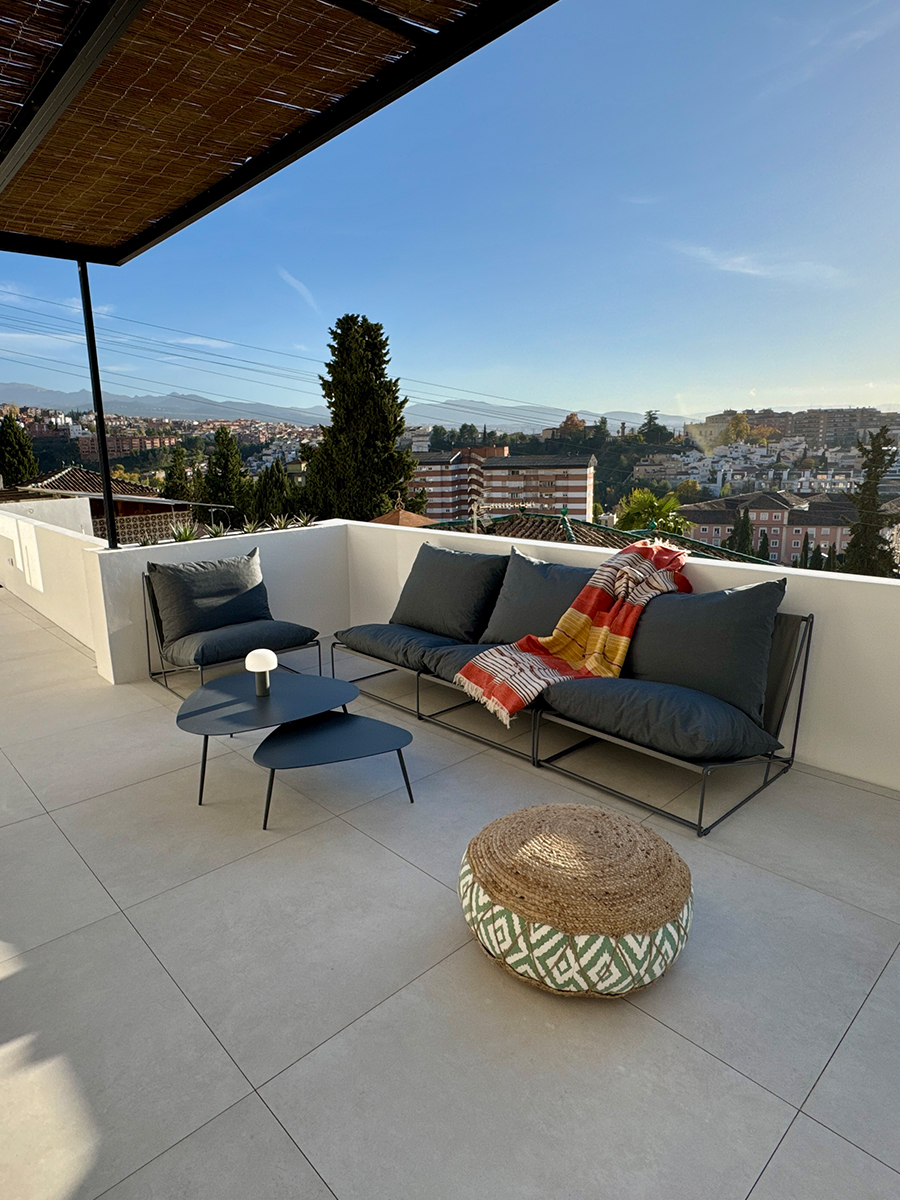
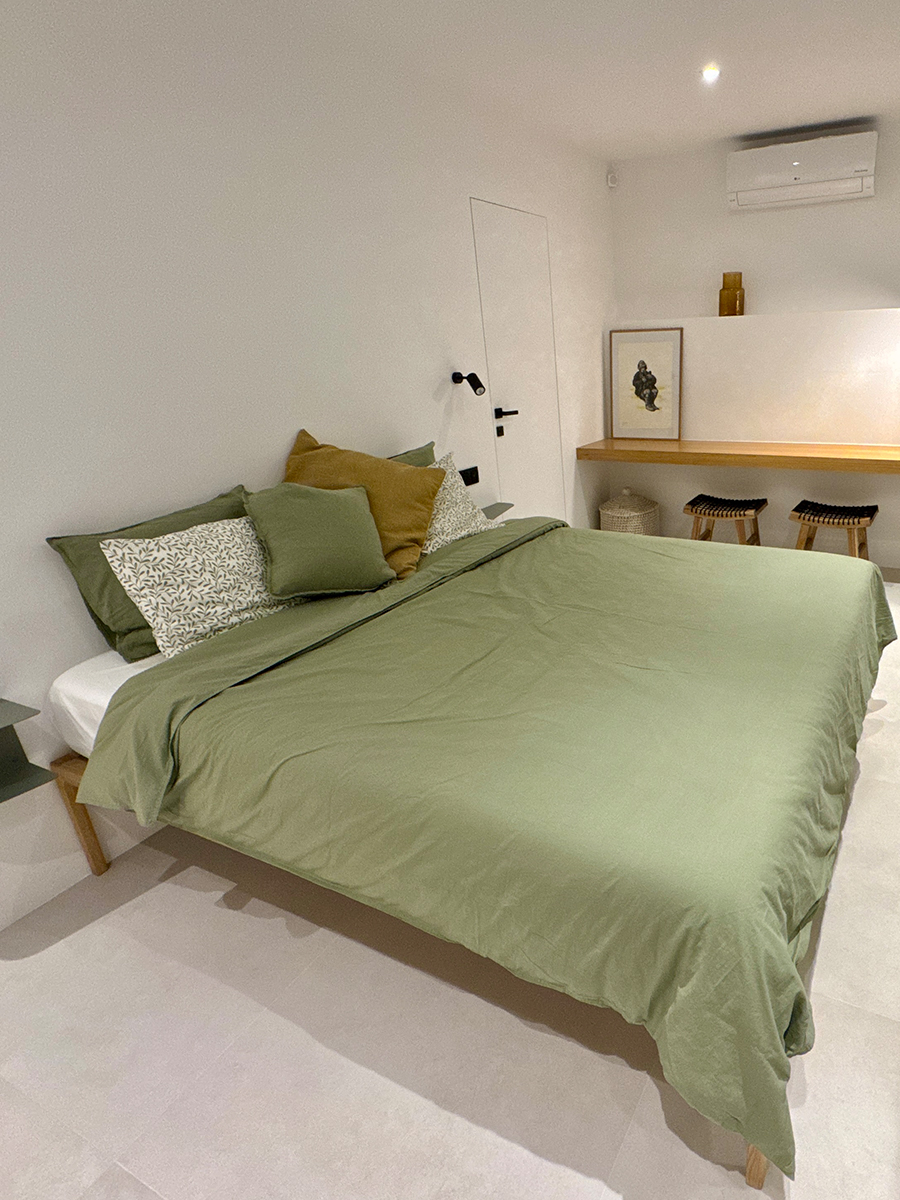
Luxury apartment with a private pool, city skyline and Sierra Nevada views, and a quiet Realejo location in Granada. No shared spaces.
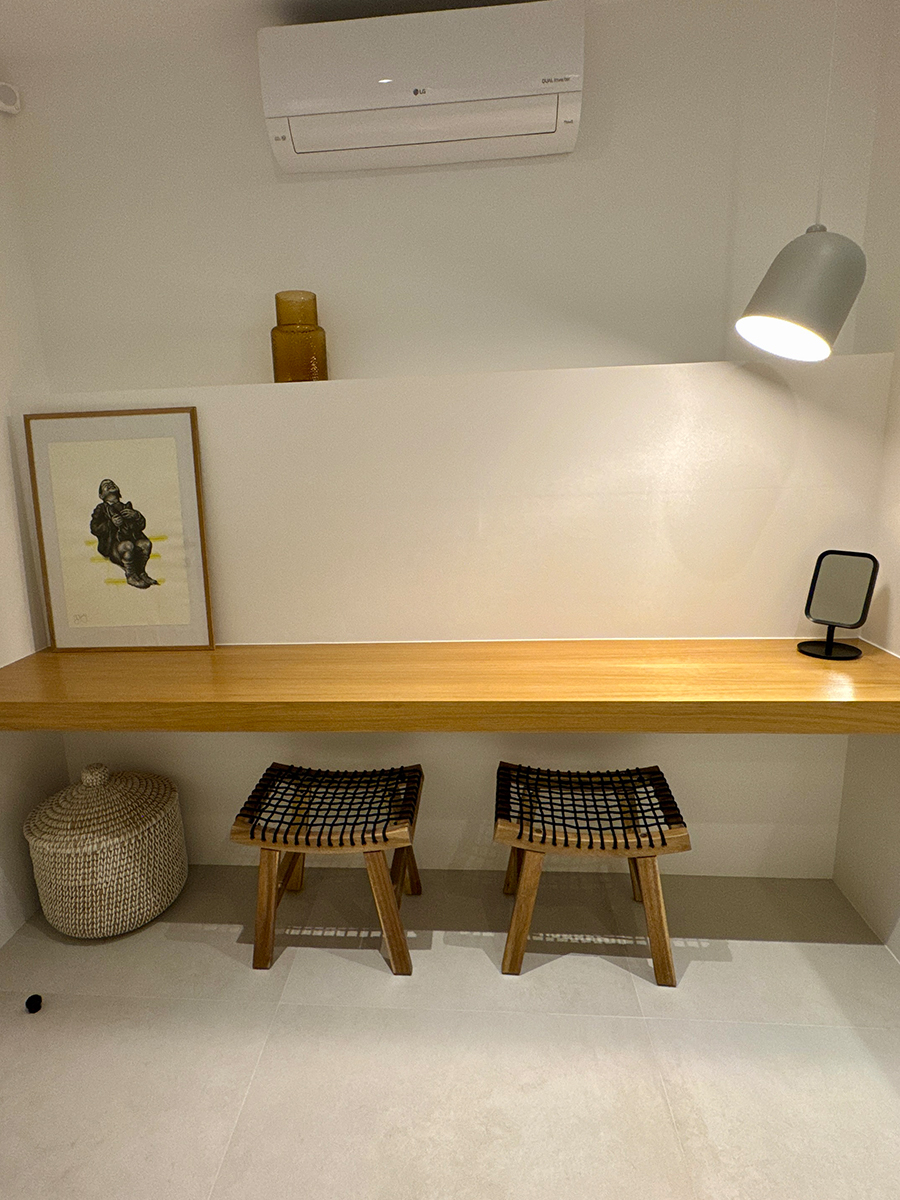
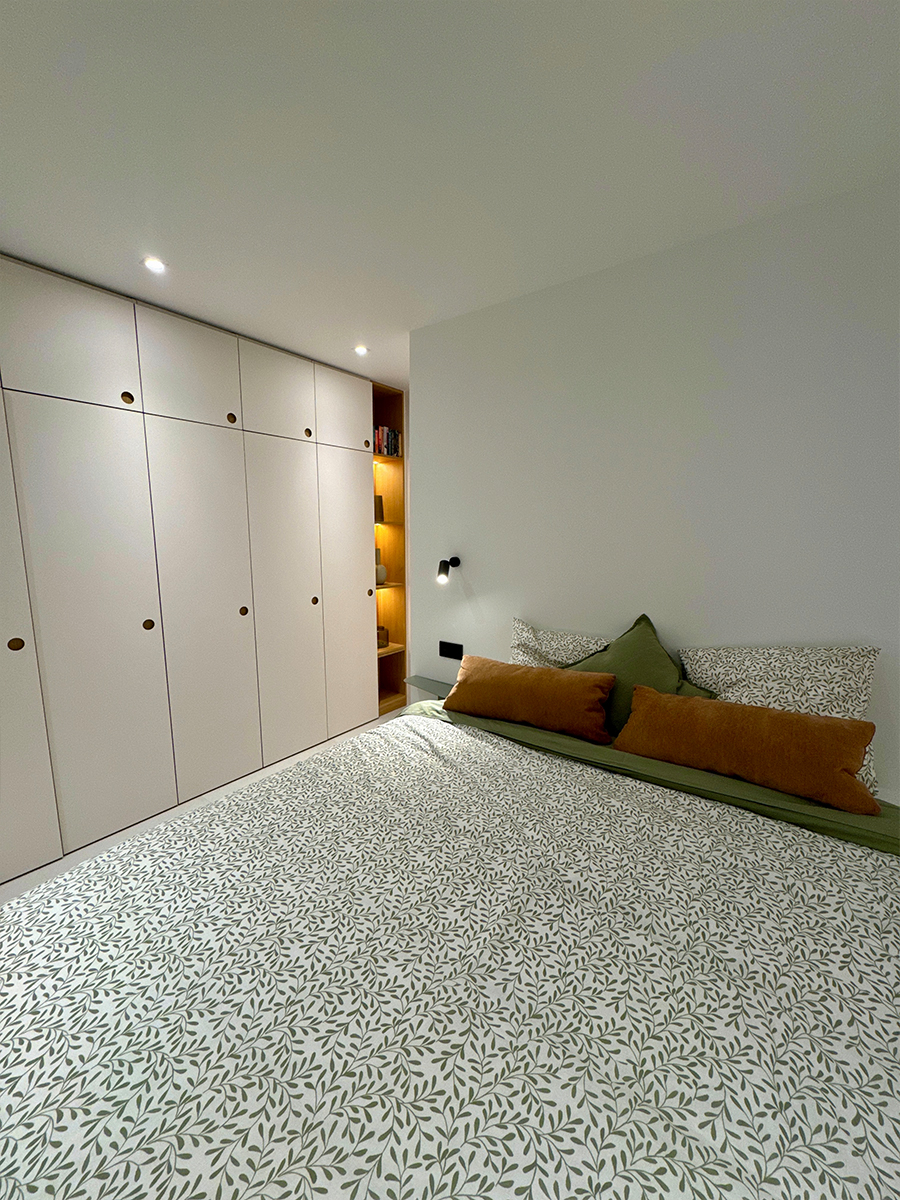
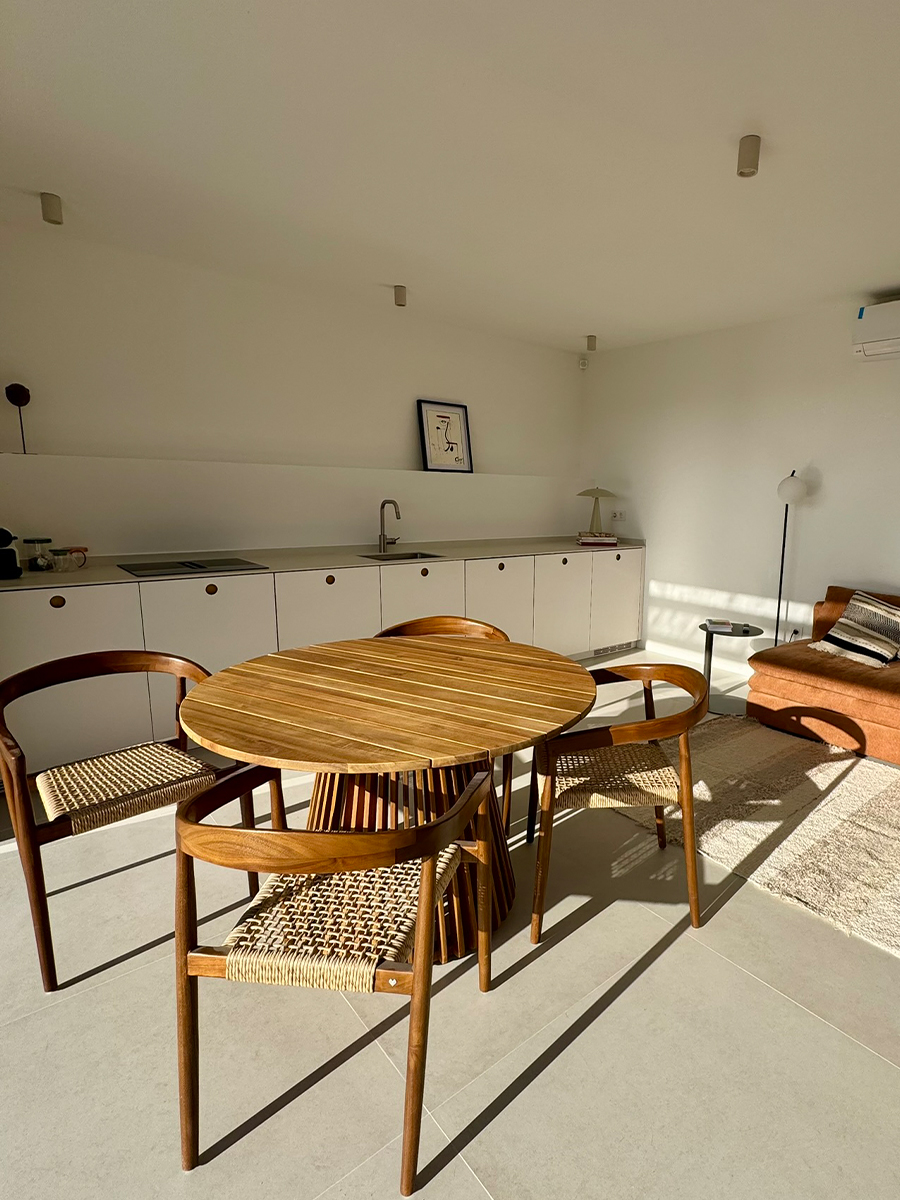
View the apartment →Terraza 6 is a luxury apartment in Granada with a private pool, a spacious terrace with panoramic city views, and every comfort you'd want during a stay in Andalusia. It's designed for people who want more than a standard rental — somewhere with real character, thoughtful details, and a direct link to one of Spain's most remarkable cities.
The Alhambra, the Albaicín, and some of the best tapas bars in the country are all within easy reach. We know Granada well and share everything we've learned with every guest — from the most useful practical tips to the places most visitors never find.
Booking direct means you deal with us personally. We're easy to reach and happy to help before, during, and after your trip.