Back to Alhambra Overview The oldest and most defensive part of the Alhambra

The Alcazaba at the Alhambra

The Alcazaba is the military core of the Alhambra and the oldest major section still standing on the hill. Long before visitors came for palaces and gardens, this was the part that controlled the approach to Granada — the fortress that protected the rulers installed above the city and made any challenge to their position extremely difficult.

9th C Fortress origins
3 Major towers
740 m Above sea level
Included With all Alhambra tickets

It feels different from the rest of the complex for a reason. The Alcazaba is about walls, towers, sightlines, and strategic position. If the Nasrid Palaces show the court at its most refined, the Alcazaba shows the Alhambra at its most functional and most honest about what it actually was: a power structure built into the landscape.

Check Availability No booking fees. Direct contact with the owners.
Inside the Fortress

Six Things Worth Knowing About the Alcazaba

01

Origins: a fortress before the palaces

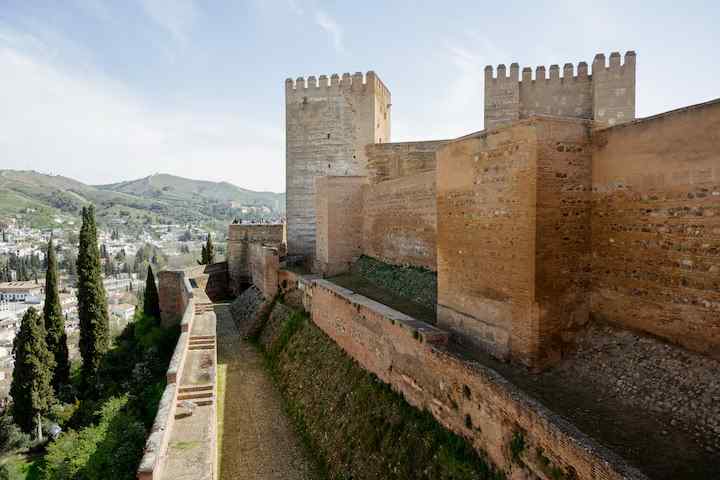
The fortification of Sabika Hill predates the Nasrid dynasty by several centuries. The site was already being used defensively by the 9th century, and was developed further in the 11th century under the Zirid ruler Badis ibn Habus, who made it the main stronghold controlling Granada. When Muhammad I founded the Nasrid dynasty in the 13th century and began building the Alhambra as a royal residence, he incorporated and reinforced this existing fortification substantially — adding new towers, extending the circuit of walls, and integrating the fortress with the emerging palace complex to its east. What you walk through today is primarily Nasrid construction from the 13th and 14th centuries, but it sits on the footprint of a much older strategic position.
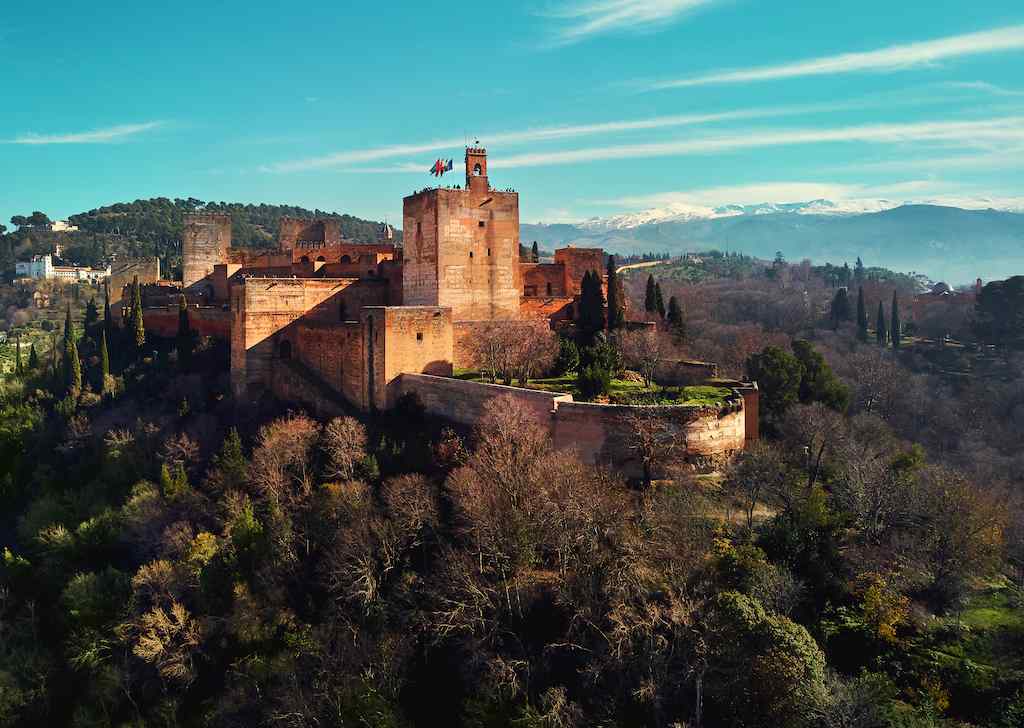
Alcazaba fortress walls and towers of the Alhambra rising above Granada, Spain
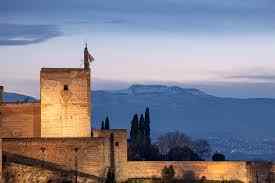
Torre de la Vela tower at the Alcazaba, Alhambra Granada, with panoramic city views
02

Torre de la Vela — the tower everyone climbs

The largest and most visited tower of the Alcazaba, the Torre de la Vela (Tower of the Watch) stands at the westernmost tip of the hill. Its bell has been rung every 2nd of January since 1492 to mark the day Christian forces took Granada from the Nasrids — a tradition that continues today. The views from the top platform are exceptional: the Albaicín, the Sacromonte, the city centre below, and on clear days the Sierra Nevada to the south-east. The climb is short but steep and exposed; guardrails are in place, though the platform is open to the elements. This is one of the widest unobstructed panoramas in the city and worth every step.

03

Torre del Homenaje — the fortress keep

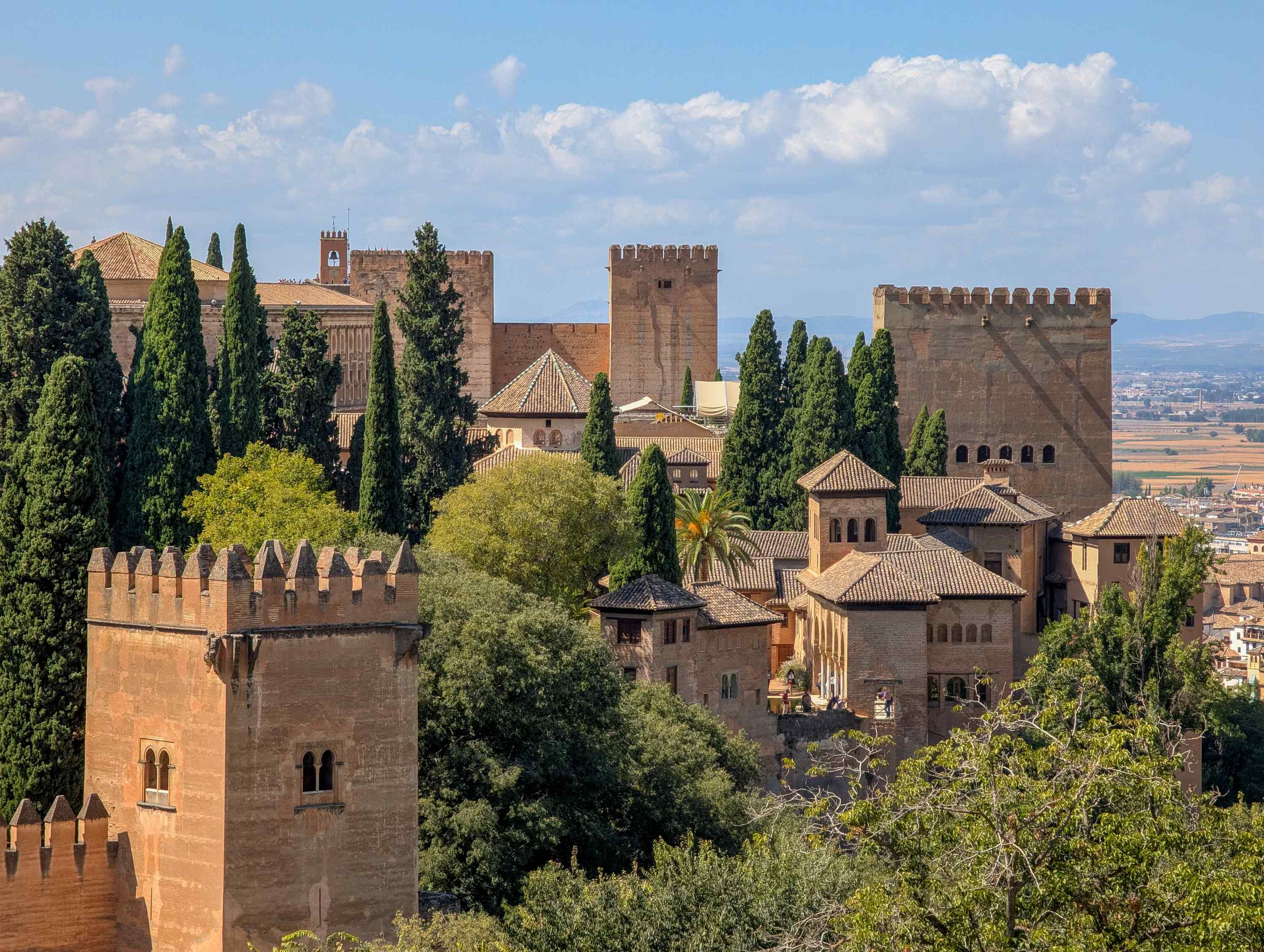
The Torre del Homenaje (Tower of Homage) is the tallest structure in the Alcazaba and was historically the most important. Its name refers to the ceremony of feudal homage paid to the sovereign — the political heart of the fortress rather than just a watchtower. During the early Nasrid period, before the palace complex to the east was developed, this tower served as royal accommodation within the fortress itself. It has three internal floors connected by a narrow staircase, and its silhouette, together with the Torre de la Vela, defines the distinctive roofline of the Alhambra as seen from the city. Interior access varies; check the signage at the base of the tower on the day.
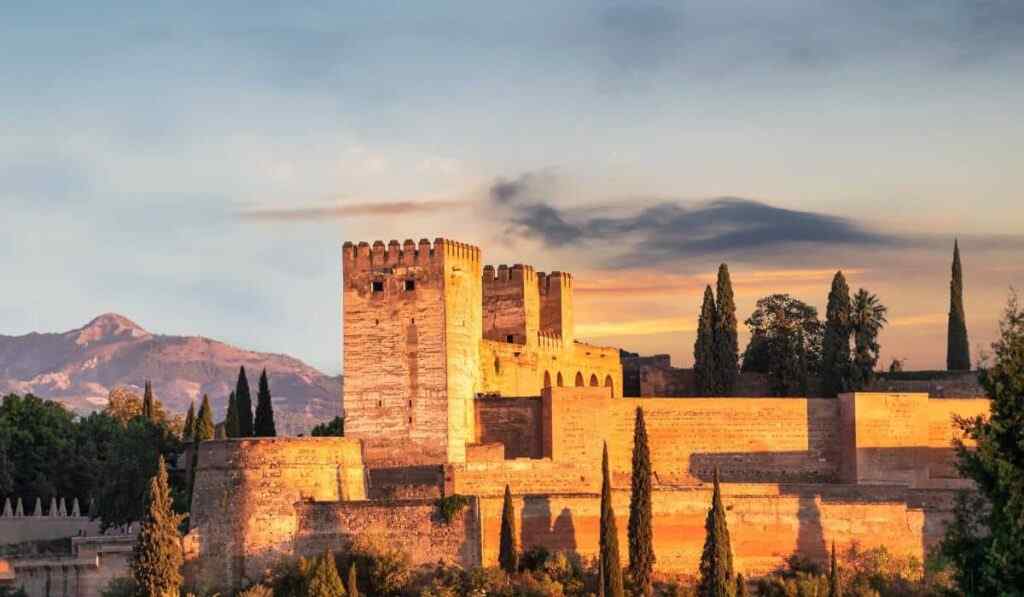
Torre del Homenaje keep and defensive walls of the Alcazaba, Alhambra Granada
Terraza 6 · Realejo, Granada

The Alcazaba is included with all Alhambra tickets. Book early — especially for the Nasrid Palaces — as timed entry slots sell out weeks in advance during peak season.

Check Availability
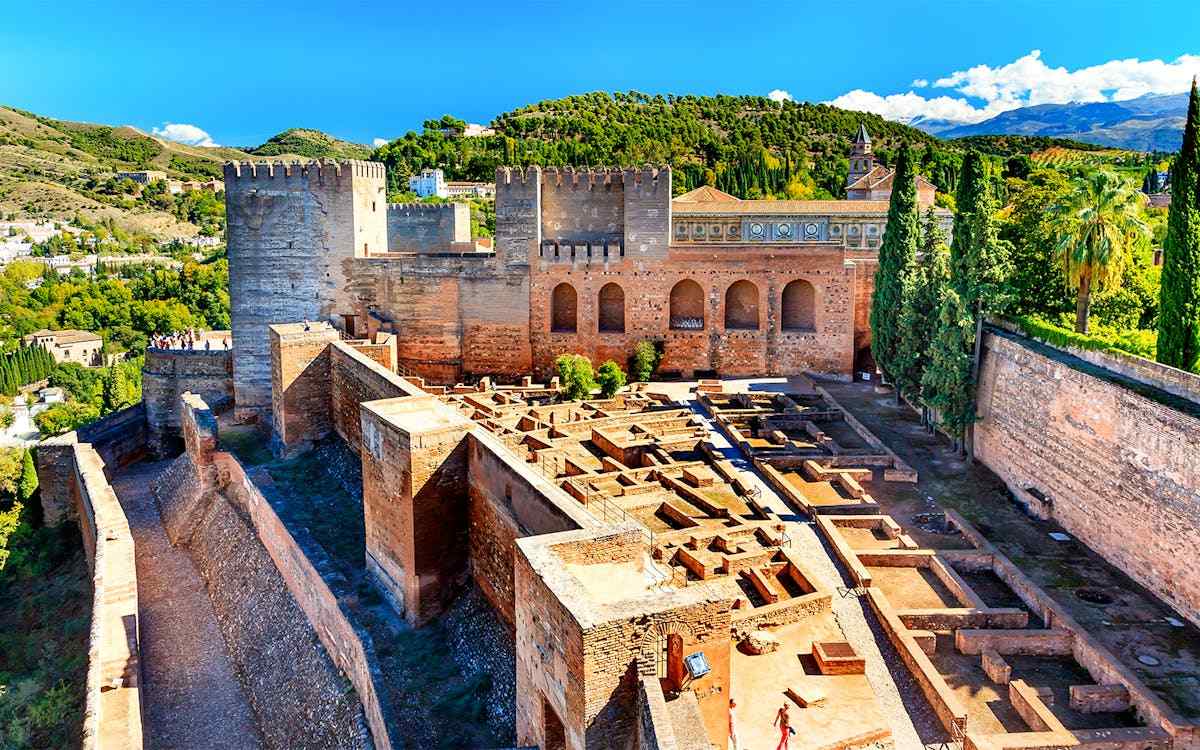
Archaeological remains of garrison barracks inside the Alcazaba, Alhambra Granada
04

The garrison quarter

Between the main towers, the central area of the Alcazaba contains the remains of what was a functioning military garrison. Archaeologists have uncovered the foundations of barracks, cisterns, a small bathhouse, and service structures that supported the soldiers stationed here. The water cisterns are particularly worth looking at — the system that supplied water to this elevated position was one of the essential technical achievements that allowed the Alhambra to function as a permanent inhabited settlement. Walking this area gives a sense of the Alcazaba as a working community rather than simply a symbolic fortification. The excavated areas are partially visible along the paths.

05

The parapet walk and defensive sightlines

One of the most satisfying things about the Alcazaba is the chance to walk sections of the original parapet walls — the raised walkways along the top of the defensive circuit. From these positions the logic of the site becomes immediately clear: every approach from the city below was visible from above, and the angles of the walls eliminated blind spots for defenders. Walking the parapets also produces unexpected views in multiple directions — toward the Albaicín, down toward the Realejo neighbourhood below (where Terraza 6 is located), and across to the hills east of the city. This is not a subtle highlight. It is a direct, physical reason why this specific hill was chosen.

Parapet walkway along the Alcazaba defensive walls with views over Granada
Stone archway and courtyard inside the Alcazaba fortress at the Alhambra, Granada
06

After 1492 — what happened to the fortress

When Ferdinand and Isabella took Granada in January 1492, the Alcazaba passed from Nasrid to Christian control. The fortress retained its military function initially — the bell of the Torre de la Vela rang out across the city to mark the handover, and Spanish garrisons were stationed here through the 16th and 17th centuries. As the strategic threat faded, the complex gradually lost active military significance. By the 19th century the Alcazaba had suffered neglect, partial demolition, and periods of use as a prison. Serious archaeological restoration began in the late 19th and early 20th century; the current condition of the towers and walls reflects several careful phases of consolidation and archaeological excavation since then.

Visit Tips

How to get the most out of the Alcazaba

Tip 01

Visit early or after the Nasrid Palaces

The Alcazaba has no timed entry slot, so it can fill up mid-morning. Going first thing — or after your Nasrid Palaces time slot when crowds have redistributed — makes the towers and parapets noticeably more comfortable.

Tip 02

Take your time on the towers

The views from the Torre de la Vela are genuinely among the best in Granada. Don't rush through the Alcazaba as a corridor between bigger attractions. Allow time to stop on the parapets and understand what you are seeing.

Tip 03

Wear proper footwear

Surfaces in the Alcazaba are more uneven than in the palace sections, and the parapet walks are exposed to wind and weather. Solid shoes — not sandals or flip-flops — make a real difference here.

Questions & Answers

Frequently Asked Questions

It feels different from the rest of the complex for a reason. The Alcazaba is about walls, towers, sightlines, and strategic position. If the Nasrid Palaces show the court at its most refined, the Alcazaba shows the Alhambra at its most functional and most honest about what it actually was: a power structure built into the landscape.

Yes — the Alcazaba is included with all Alhambra General tickets. It does not require a separate timed entry slot; unlike the Nasrid Palaces, you can visit at any point during your allocated visit time. If you hold a General ticket, you can go to the Alcazaba before or after your Nasrid Palaces time slot — there is no fixed entry window.

Budget around 45 to 60 minutes if you want to climb the main towers and walk sections of the parapet walls. If you also explore the garrison area and take your time with the views from the Torre de la Vela, allow up to 90 minutes. The Alcazaba is physically smaller than the Nasrid Palaces but involves more active walking and climbing.

The Torre de la Vela (Tower of the Watch) is the largest tower of the Alcazaba and offers the widest panoramic views over Granada and the Sierra Nevada. Its bell has been rung on 2nd January every year since 1492 to commemorate the Nasrid surrender of Granada to the Catholic Monarchs — a tradition that continues to this day. Climbing to the top is one of the highlights of any Alhambra visit.

The Torre de la Vela is generally open and accessible via an internal staircase to the top platform. Interior access to the Torre del Homenaje varies depending on current restoration work — check the signage on arrival. Other towers and structures are viewable from outside but not all have public interior access.

From the upper sections of the Alcazaba — especially the Torre de la Vela — you get one of the most complete panoramas in Granada: the Albaicín quarter, the Sacromonte hillside with its cave houses, the cathedral and historic city centre below, and the Sierra Nevada mountains to the south-east. The views are best in morning light or late afternoon, and are clearest in autumn and winter when visibility is highest.

The fortification of Sabika Hill dates to at least the 9th century, making it one of the oldest surviving defensive structures in Granada. The Alcazaba as it largely stands today was built and reinforced during the Nasrid period — primarily in the 13th and 14th centuries under Muhammad I and his successors. Some towers and sections of wall date from the 13th century; others were added or modified over the following two centuries.

Plan Your Visit

Ready to Book Your Alhambra Tickets?

The Alcazaba is included with all Alhambra tickets. Book early — especially for the Nasrid Palaces — as timed entry slots sell out weeks in advance during peak season.

Check Availability No booking fees. Direct contact with the owners.
Terraza 6 Luxury Apartment

A Genuinely Special Place to Stay in Granada

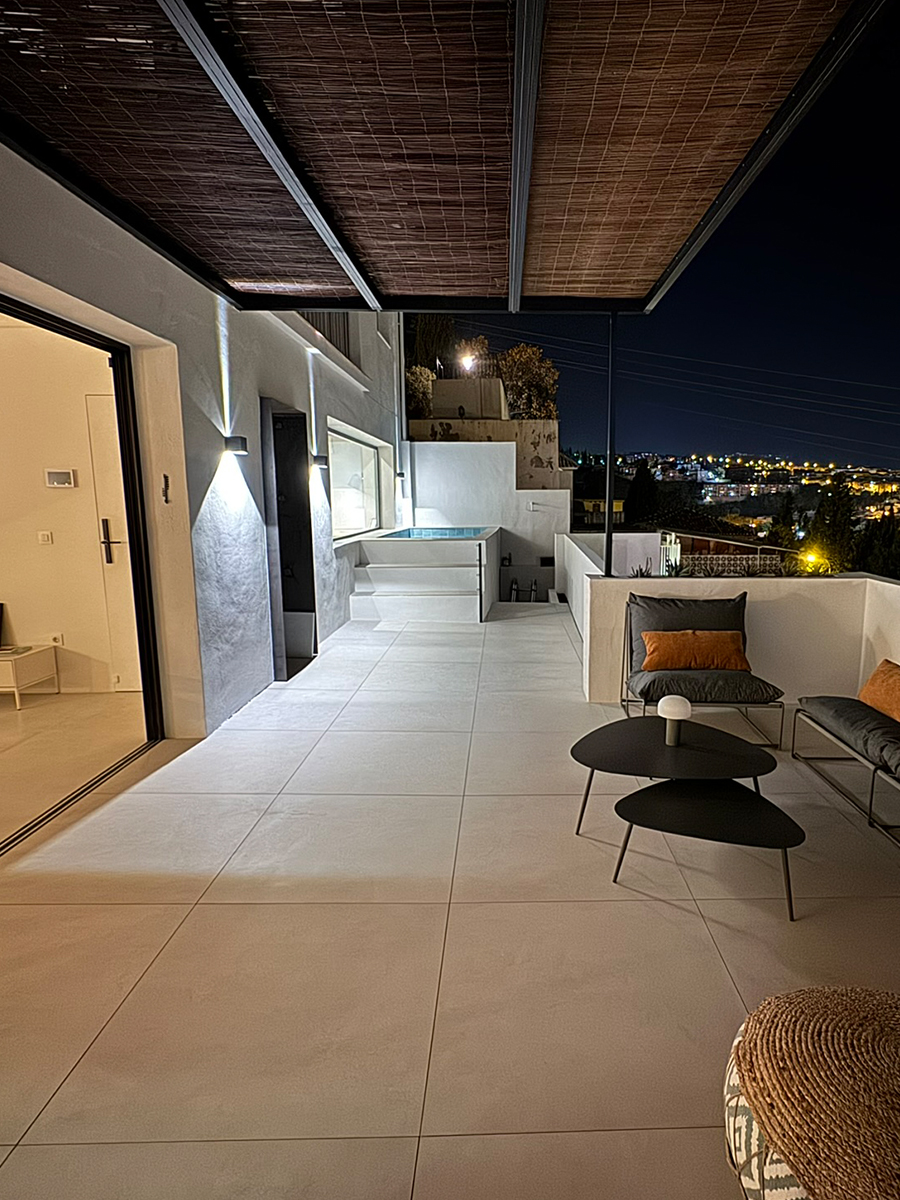
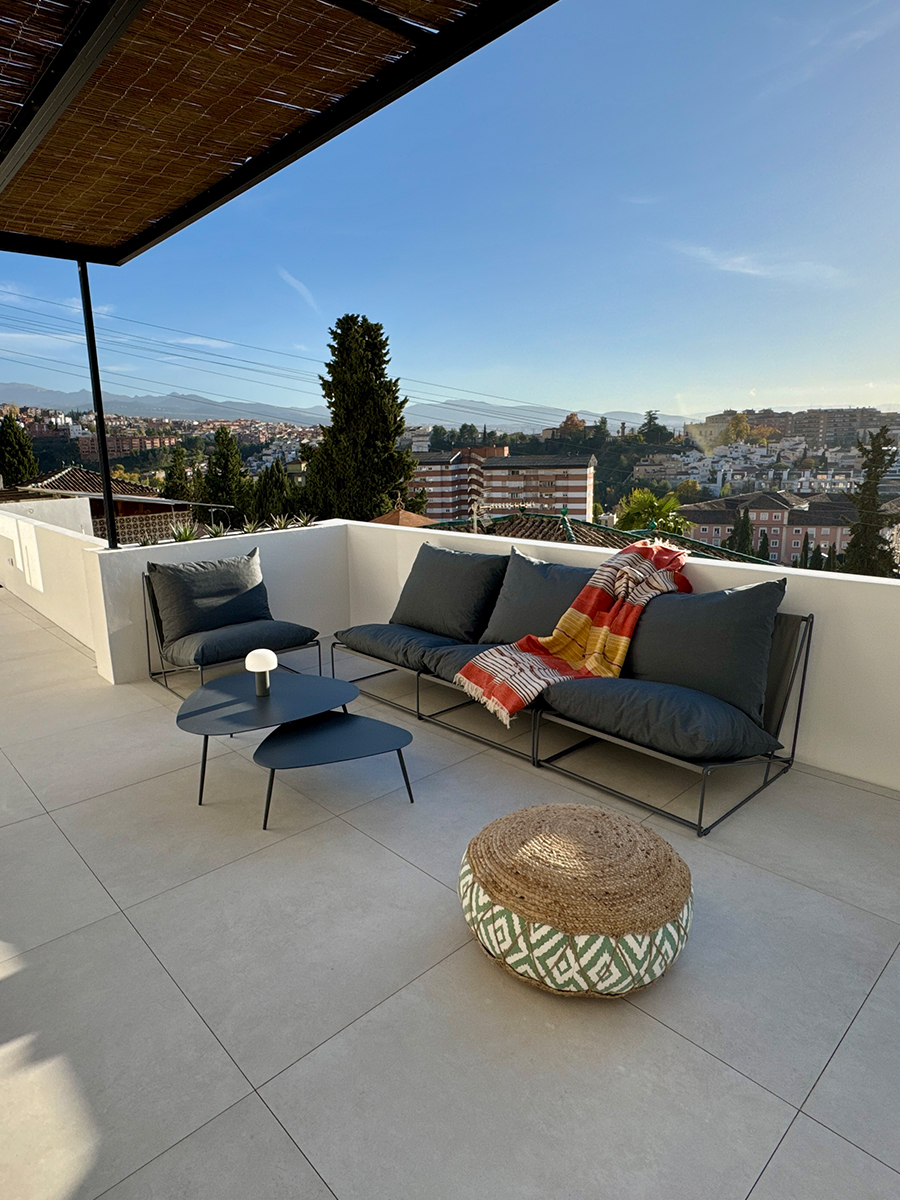
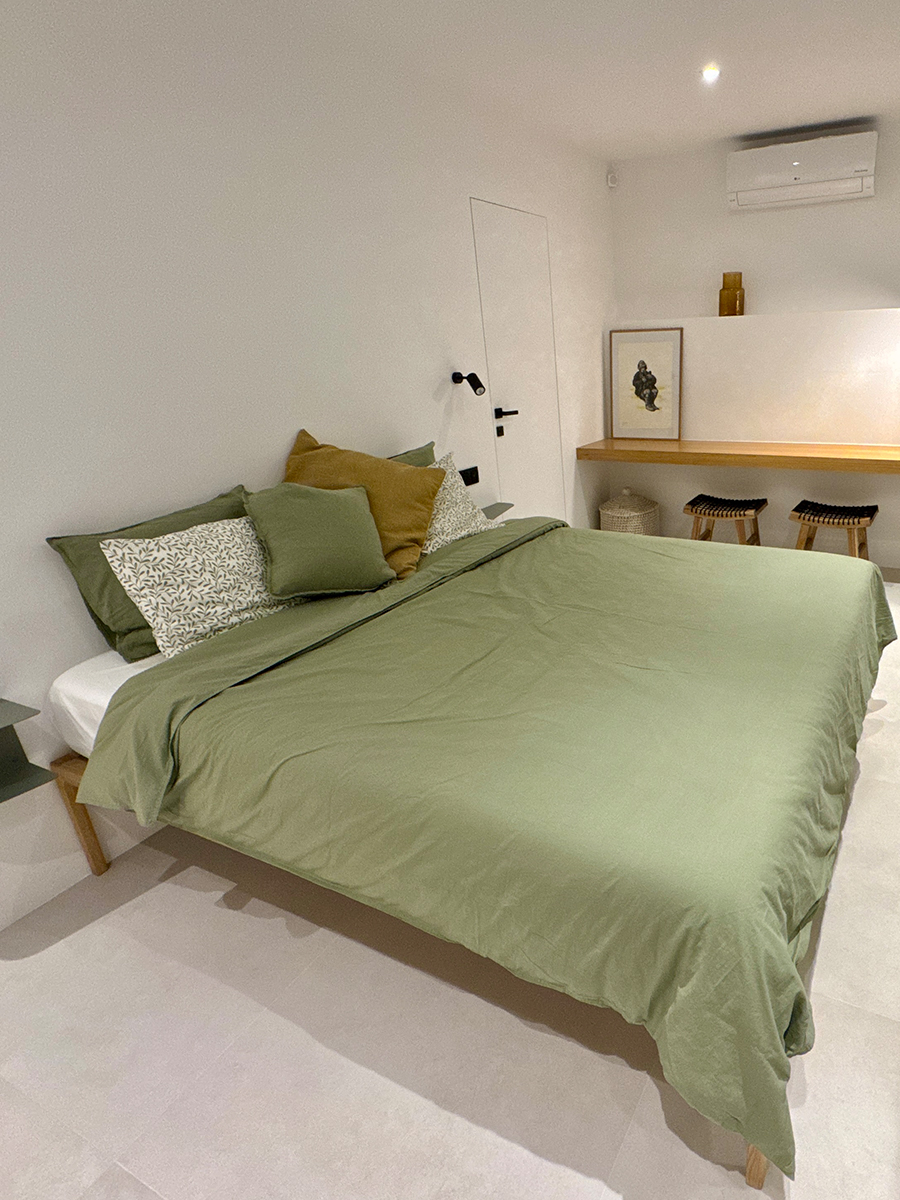
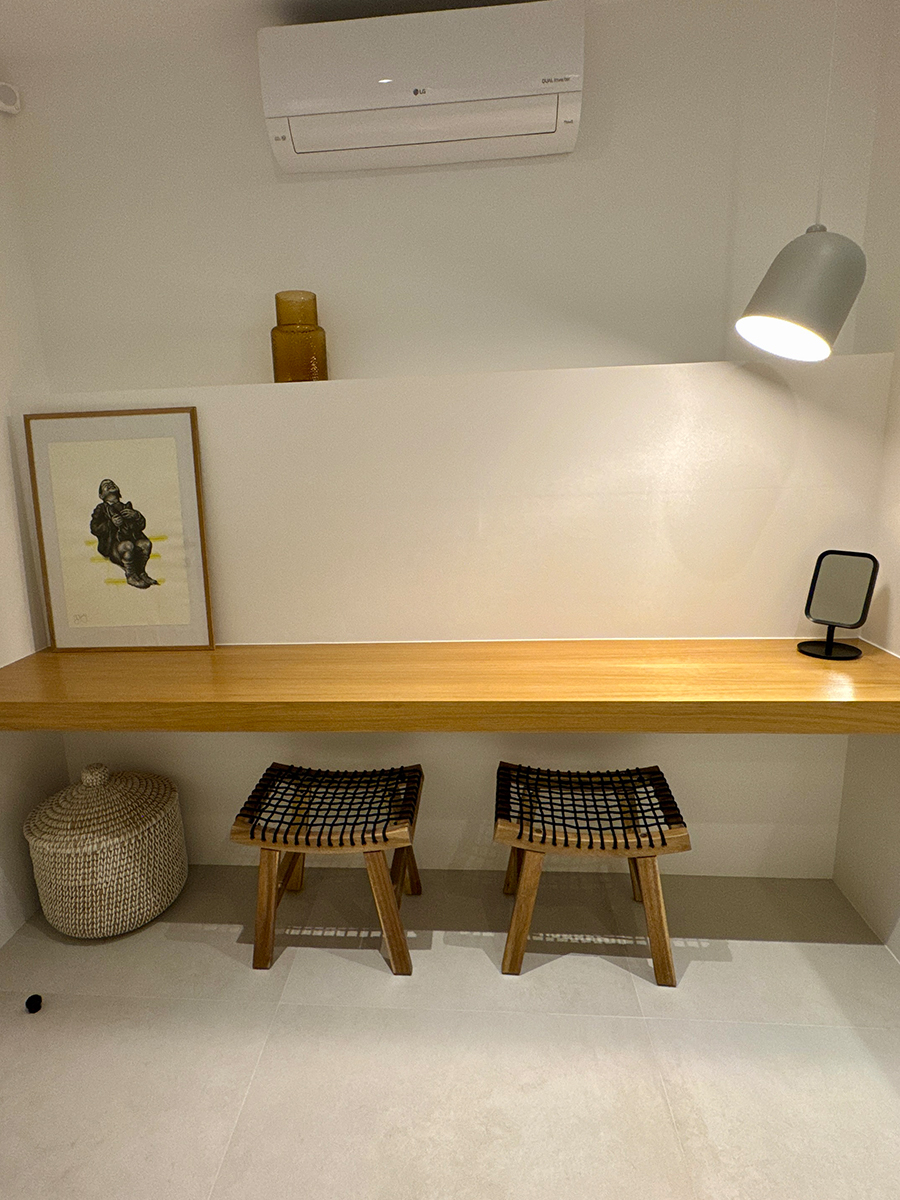
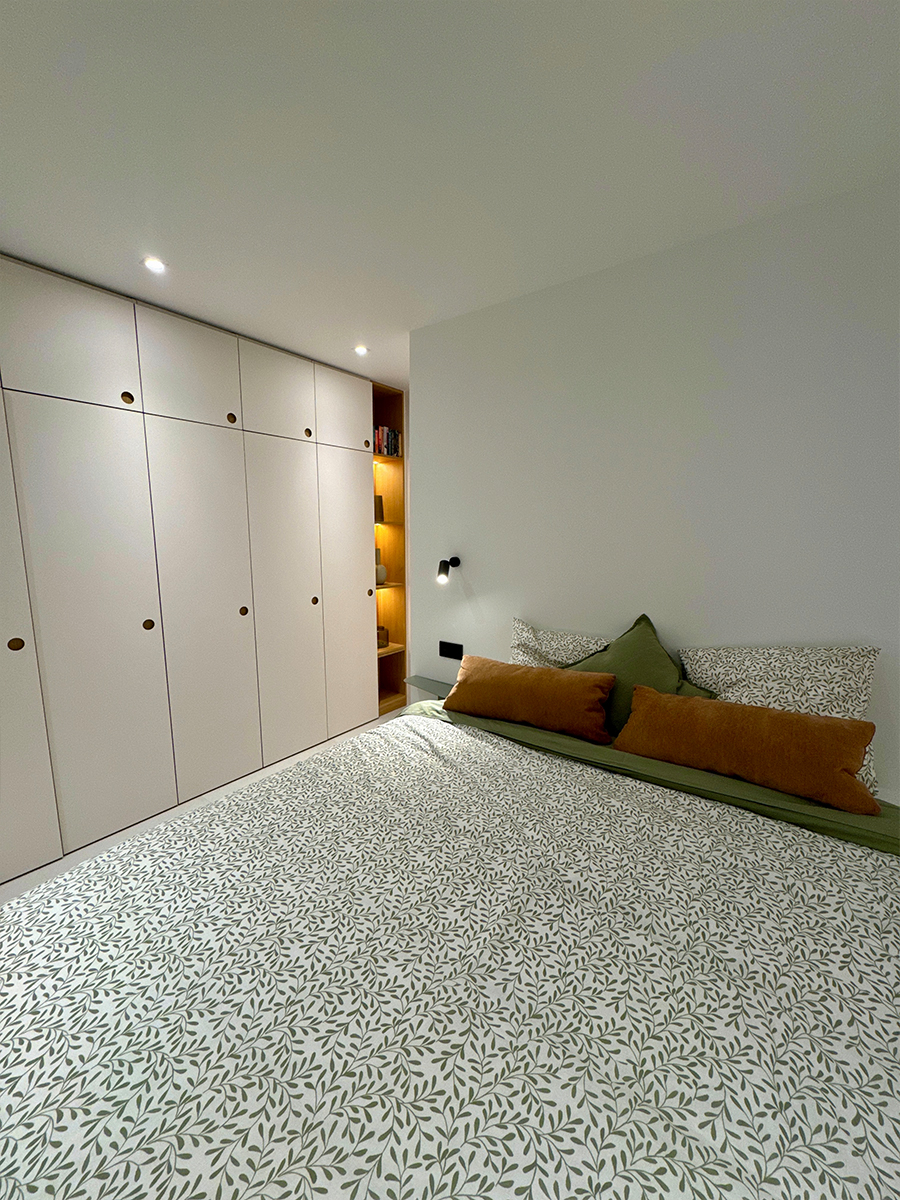
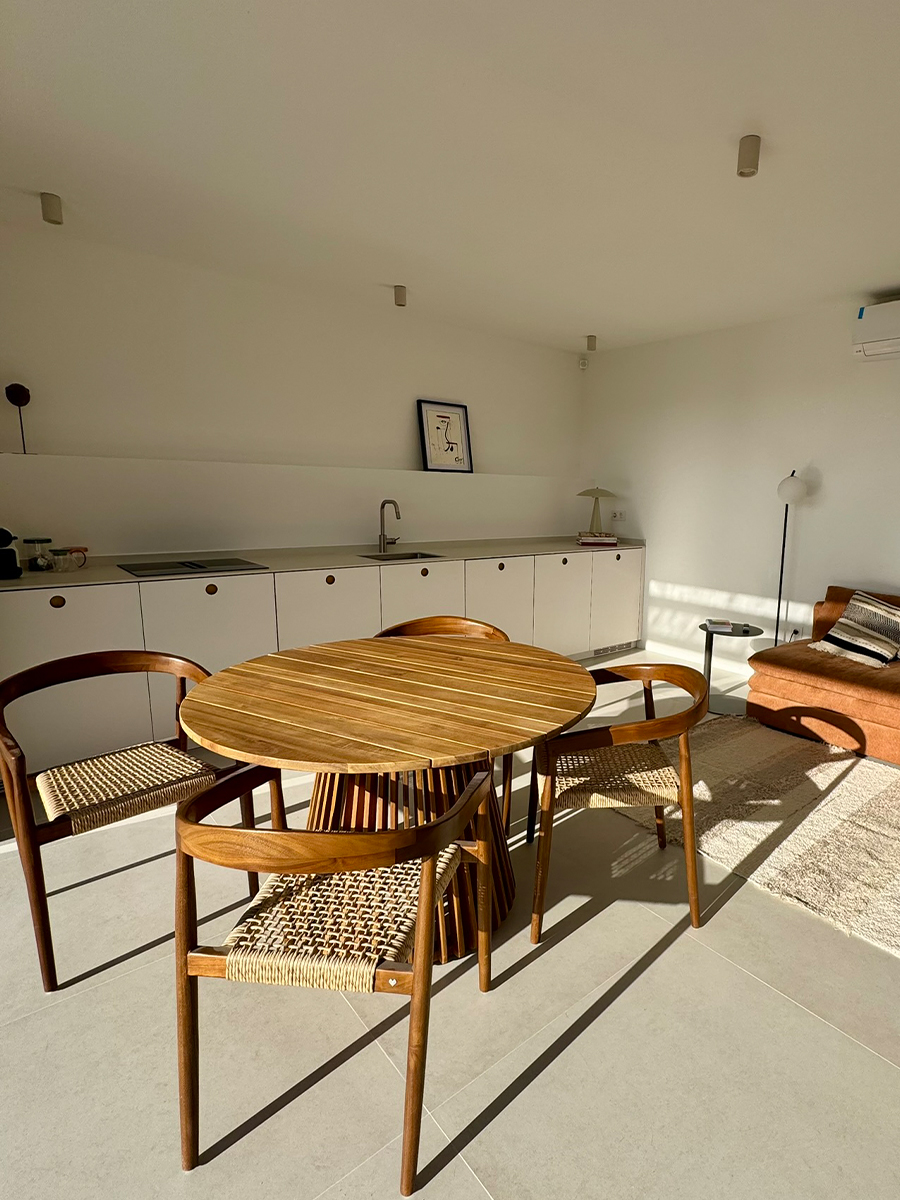
Terraza 6 is a luxury apartment in Granada with a private pool, a spacious terrace with panoramic city views, and every comfort you'd want during a stay in Andalusia. It's designed for people who want more than a standard rental — somewhere with real character, thoughtful details, and a direct link to one of Spain's most remarkable cities.

The Alhambra, the Albaicín, and some of the best tapas bars in the country are all within easy reach. We know Granada well and share everything we've learned with every guest — from the most useful practical tips to the places most visitors never find.

Booking direct means you deal with us personally. We're easy to reach and happy to help before, during, and after your trip.

Discover Apartment