
Spanish food is far broader than the handful of dishes most visitors arrive knowing. The country has seventeen autonomous regions with distinct culinary traditions — paella is not from Madrid, jamón ibérico comes from specific provinces, and tortilla española has a hundred local variations. What travels across the country is a culture of eating in bars, sharing plates, and treating good food as part of daily life rather than a special occasion.
This guide covers the dishes you're most likely to encounter during a stay in Granada, and the ones worth understanding before you order. Granada offers a practical introduction to Spanish food: the national classics appear alongside specifically Andalusian and specifically Granadan dishes, and you can eat well across all three layers without moving far from the city.
Five Dishes That Define Spanish Eating
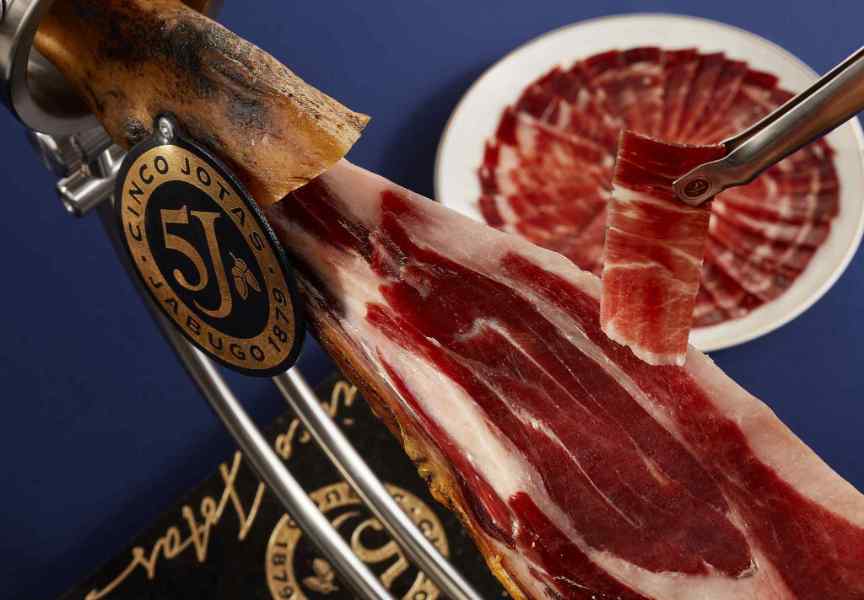
Spain's finest cured ham — made from free-range Iberian pigs fed on acorns (bellota) in the oak forests of western Spain. It's produced in a handful of areas: Jabugo in Huelva, Guijuelo in Salamanca, Los Pedroches in Córdoba, and Extremadura. The distinction between jamón ibérico de bellota (acorn-fed) and standard cured ham is significant — the former has a marbled, almost buttery texture. Available everywhere in Spain, but worth paying for quality.
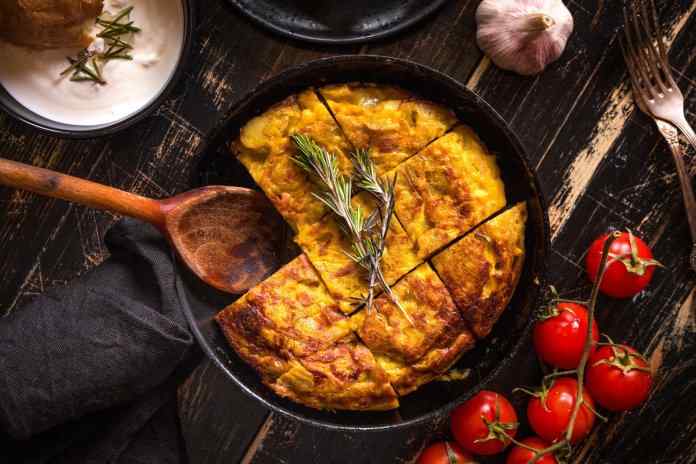
The Spanish omelette — eggs and potatoes, cooked in olive oil and set in a round. Simple in concept, and remarkable for how much variation exists between one version and the next. The key question is whether it's jugosa (slightly runny in the centre) or bien hecha (cooked through), and bars and homes each have strong opinions. You'll find it everywhere in Granada — as a breakfast tapa, a bar snack, and a serious lunch option. Worth trying in a few places to understand the range.
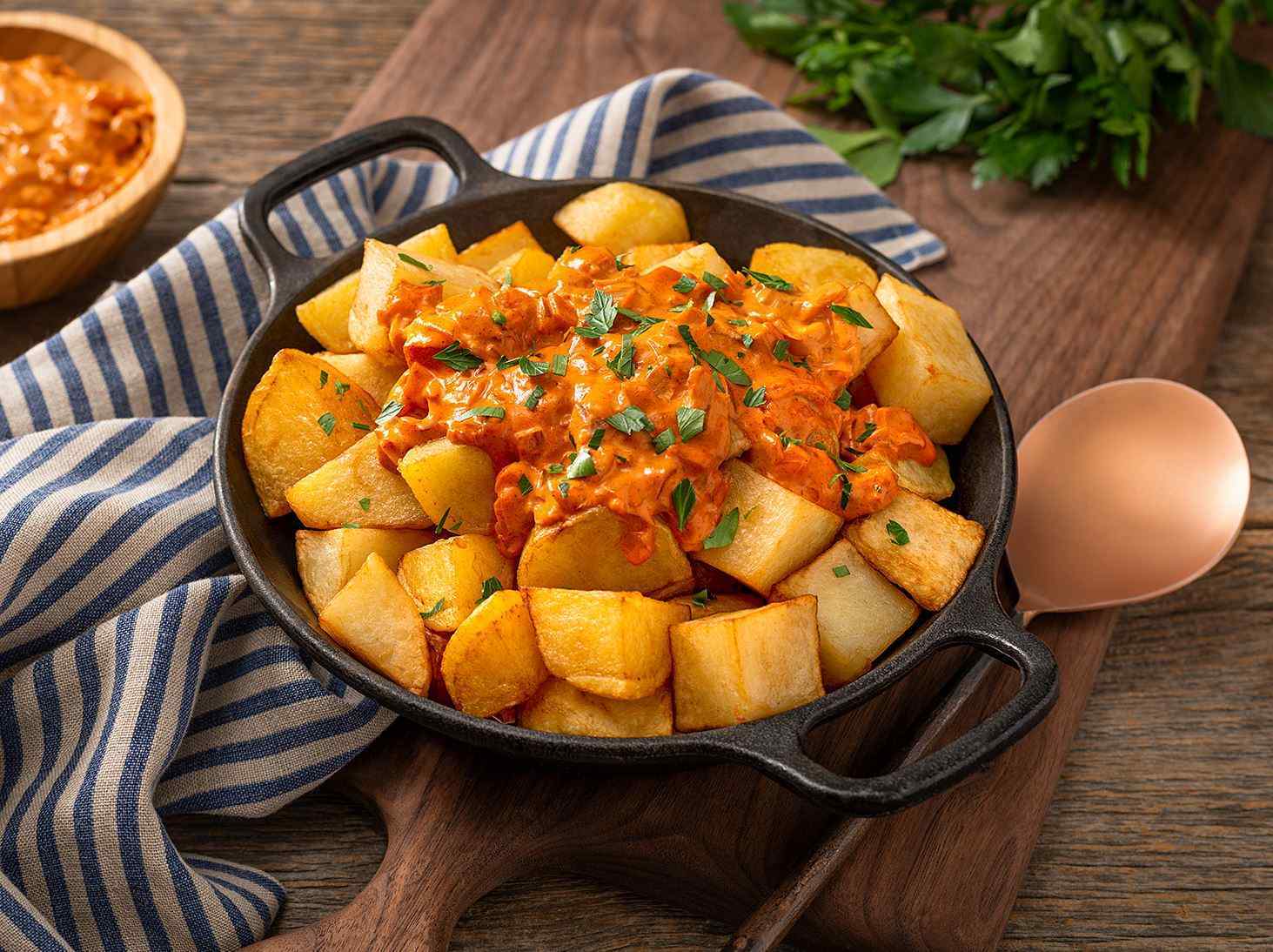
Fried potatoes with a spicy tomato or aioli sauce — one of the most ubiquitous tapas in Spain. The sauce varies by region: in Madrid it's typically a brava sauce (tomato, chilli, paprika); in Barcelona, aioli is mixed in or served alongside. In Granada, bravas often come as part of the free tapa rotation, making them one of the first things many visitors taste. Simple food done well, and a reliable measure of a bar's general quality.
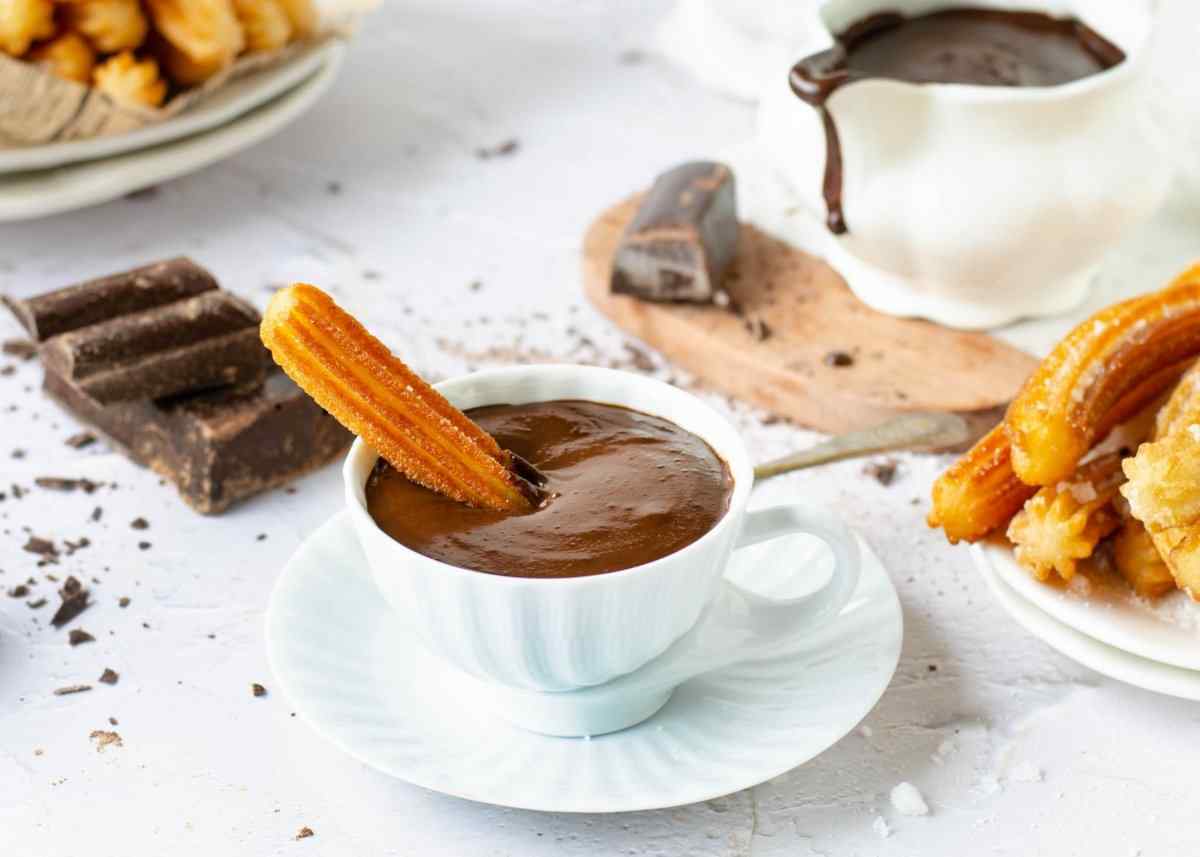
Fried dough sticks — crisp on the outside, soft inside — served with thick hot chocolate for dipping. In Spain, churros are morning food, eaten after a long night out or as a leisurely weekend breakfast. In Granada, there are churrerías near the market and throughout the city centre. The thick chocolate for dipping (chocolate a la taza) is barely sweet and quite intense — not the same as hot chocolate elsewhere.
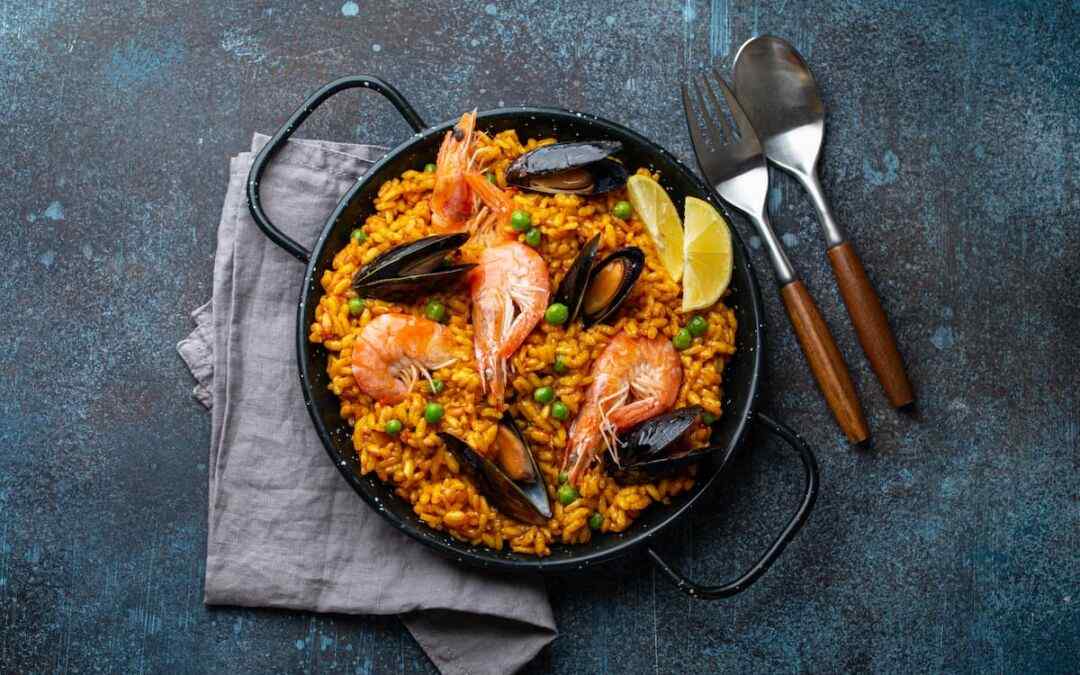
Spain's most internationally famous dish is also one of its most misunderstood. Paella comes from Valencia — specifically from the Valencian countryside — and the original is made with chicken, rabbit, flat beans, and saffron, cooked in a wide flat pan over wood. The seafood versions found everywhere else are regional adaptations. In Granada, you'll find paella on some menus, but it's not a local dish. Worth ordering if the context is right — ideally at a restaurant that takes it seriously rather than as a tourist default.
Also Worth Knowing
Three more dishes that appear in bars across Spain and are worth understanding.
Small fried croquettes with a creamy béchamel filling — made with jamón, salt cod, mushrooms, or whatever the kitchen has. At their best, the inside is soft and intensely flavoured, the outside crisp and golden. Found everywhere from basic tapas bars to serious restaurants. The quality in Granada tapas bars is generally high.
Toasted bread rubbed with a cut tomato and drizzled with olive oil — simple enough that it sounds like nothing, but executed well it's one of the best things in Spanish food. Associated primarily with Catalonia but found across the country. In Granada, it often accompanies a free tapa or comes as part of a breakfast order.
Small green peppers from Padrón in Galicia, fried quickly in olive oil and finished with coarse salt. Almost all of them are mild, but roughly one in ten is unpredictably hot — a detail that adds something to eating them. One of the most reliable tapas in Spain and a good indicator of a bar's oil quality, since they're cooked in nothing but oil and salt.
How to Approach Spanish Food
Regional context matters — not everything travels
Spain's food culture is regional first. Paella in Valencia, pintxos in San Sebastián, cocido madrileño in Madrid — these dishes make the most sense where they're from. In Granada, the dishes worth ordering are the local and Andalusian ones. The national classics are available but the specifically Granadan food is more distinctive and harder to find elsewhere.
Timing is different — adapt to Spanish mealtimes
Lunch (comida) is the main meal of the day and typically runs from 2pm to 4pm. Dinner (cena) starts at 9pm and often later. In between, the bar culture keeps you fed with tapas. Adjusting to this rhythm makes the food significantly better — the menú del día at lunch is where the most traditional cooking tends to appear, and eating at Spanish hours means kitchens are fresh.
Bar quality is the real indicator
In Granada especially, the quality of a bar is readable quickly: look at whether the free tapa is something considered, whether the olive oil is decent, whether the tortilla is ordered often enough to be fresh. A busy local bar with high turnover will nearly always outperform a restaurant with a long tourist menu.
Your base for exploring Spanish food in Granada
Terraza 6 is in Realejo — walking distance from Granada's best tapas bars, markets, and neighbourhood restaurants. Private pool, panoramic terrace, and direct booking.
Book DirectBest rate direct · No booking fees · Up to 4 guests · Private pool
Check Availability