Back to Alhambra Summer Palace · Alhambra, Granada

The Generalife: Nasrid Summer Palace & Gardens

Escape into one of Granada's most serene spaces. The Generalife sits on a terraced hillside above the Alhambra, famous for its Patio de la Acequia water channel and lush Islamic gardens. Included with your Alhambra ticket.

14th C Nasrid summer palace
UNESCO World Heritage Site 1984
Included With general ticket
900 m From Terraza 6 in Realejo
Overview

A Summer Retreat of Water and Gardens

The Generalife (Arabic: Jannat al-Arif, "the Architect's Garden") is the Nasrid summer palace and retreat at the Alhambra complex. Built in the 14th century, it sits on a separate hill connected to the main palace by a tree-lined walkway. Unlike the fortress-like presence of the Alcazaba or the palatial grandeur of the Nasrid Palace, the Generalife prioritizes tranquility: cascading terraces, the iconic Patio de la Acequia with its central water channel, and the carefully orchestrated sounds and sights of Islamic water gardens.

A visit to the Generalife complements your understanding of Alhambra life. While the upper gardens are largely 20th-century restoration, they maintain authentic Nasrid principles of garden design. The lower palace buildings retain original rooms and porticoes, offering intimate glimpses into how the ruling family and court escaped the formal protocol of the main palace. Plan 1–2 hours; early morning or late afternoon visits reward you with softer light and fewer crowds.

Check Availability 900 m · Realejo, Granada
Six Key Areas

What You'll Discover at the Generalife

01

1. What Is the Generalife?

The Generalife was conceived as a royal garden complex and summer palace, separate from the seat of power in the main Alhambra palace. Elevated on its own hill to the east, it offered Nasrid sultans and their court a private, peaceful retreat where the concerns of diplomacy and governance could be set aside. The name itself—"the Architect's Garden"—hints at the intentional artistry behind every water channel, terrace, and cypress grove. Built primarily in the 14th century during the height of Nasrid rule, it exemplified the Islamic principle that a well-designed garden could be a paradise on earth (jannah). After the Christian conquest in 1492, the Generalife passed through various hands and saw periods of neglect, particularly in the 18th and 19th centuries. Major restoration and replanting occurred in the early 20th century, preserving the spatial logic and water infrastructure while replanting many of the ornamental gardens.
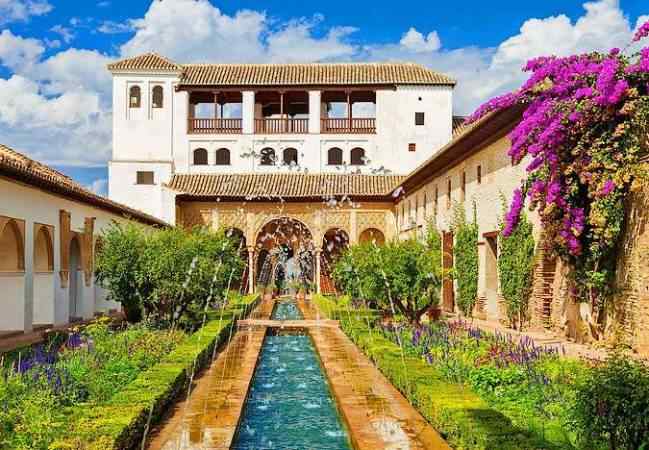
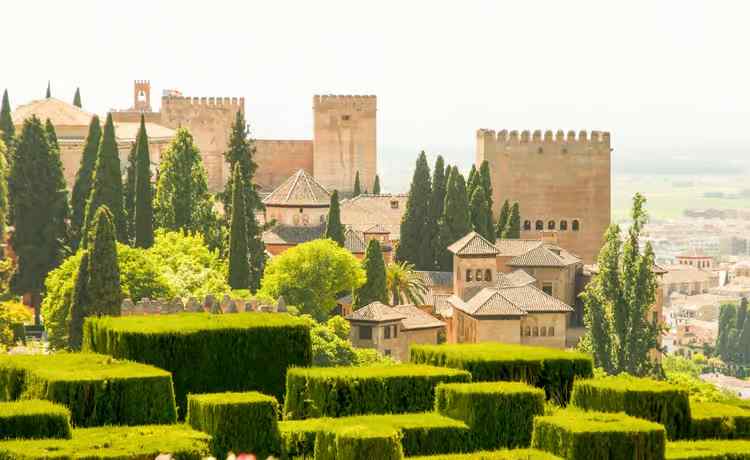
The Generalife summer palace perched on a hillside above the Alhambra complex
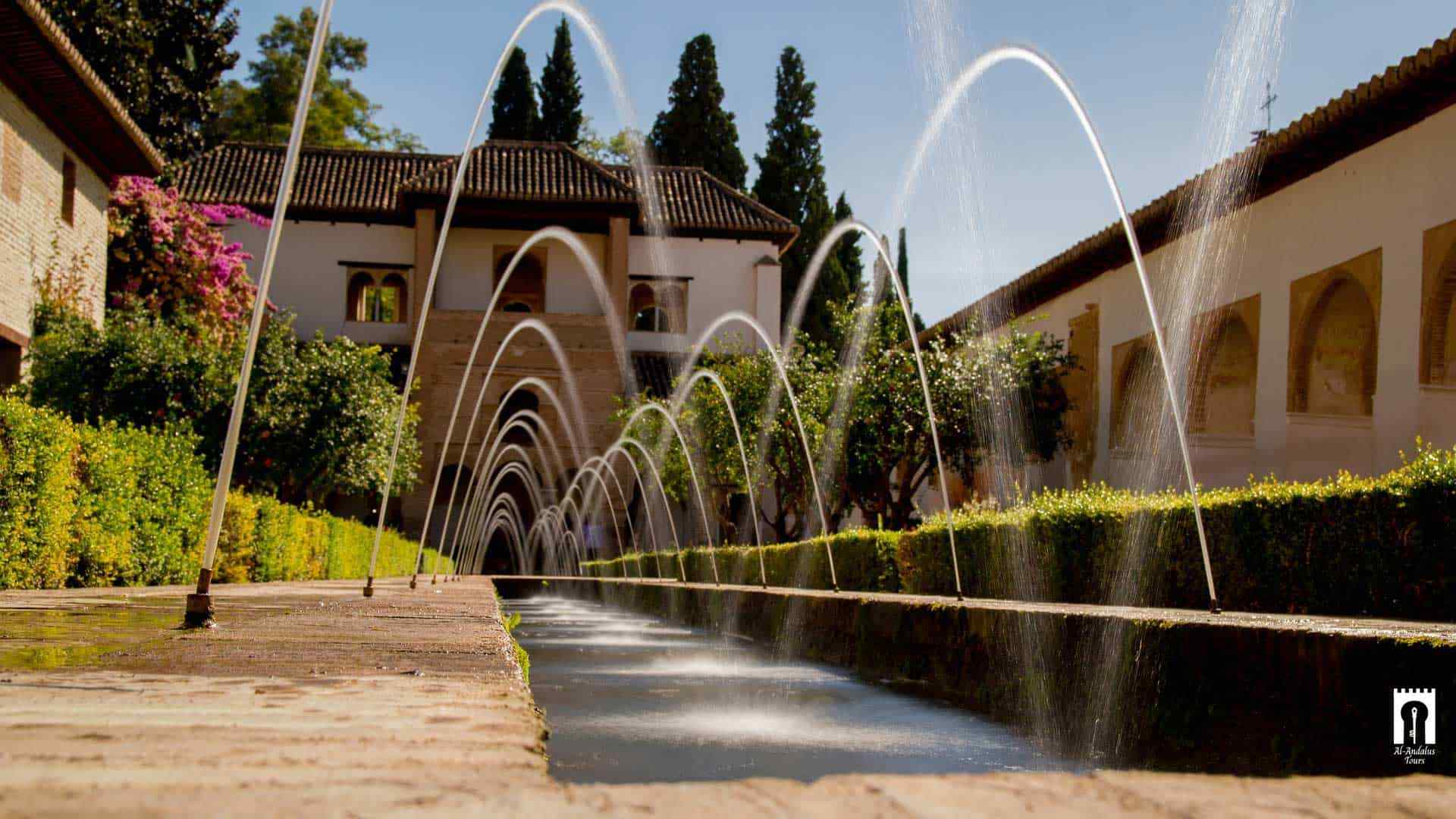
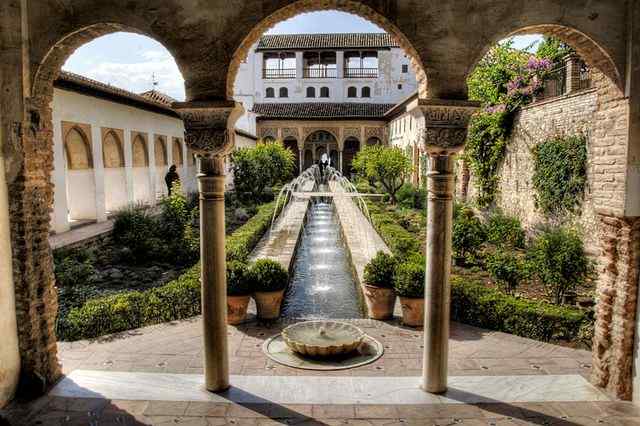
The Patio de la Acequia with its iconic central water channel and flower beds
02

2. Patio de la Acequia

The Patio de la Acequia (Courtyard of the Water Channel) is the spiritual and architectural heart of the Generalife. A long, narrow pool—the acequia itself—runs the length of the courtyard, flanked by symmetrical flower beds, hedges, and columns. The proportions are exquisite: the water channel grounds the eye, while the surrounding architecture frames views upward to the sky. Originally lined with flowering orange trees and date palms, today a mix of modern plantings and restoration efforts maintain the original aesthetic. On either side, colonnaded galleries with tile work and plasterwork create shaded walkways. The genius of the design is how water and reflection amplify the space: the acequia is not merely decorative but fundamental to the garden's microclimate, cooling air and carrying the sound of flowing water through the courtyard. At certain times of day, sunlight catches the moving water, creating a shimmering ribbon of light.

03

3. The Upper Gardens

Rising above the Patio de la Acequia, the upper gardens terraced across the hillside represent the most recognizable and picturesque area of the Generalife. These are largely the product of 20th-century restoration and replanting, but they follow the original Nasrid logic of hierarchical, terraced cultivation. Rows of clipped cypress hedges—some of which are centuries old—create the structure, with flower beds, fountains, and smaller water channels distributed throughout. The upper gardens are where many of the Generalife's most iconic photographs are taken: the cypress avenues, the small fountains, the panoramic vistas down toward the city and the Vega plain. In spring, the gardens bloom with roses and wisteria; in summer, they offer shaded respite; in autumn, the light turns golden and theatrical. The summer festival of Granada (Festival de Música y Danza) makes use of these gardens, with concerts and performances held among the terraces.
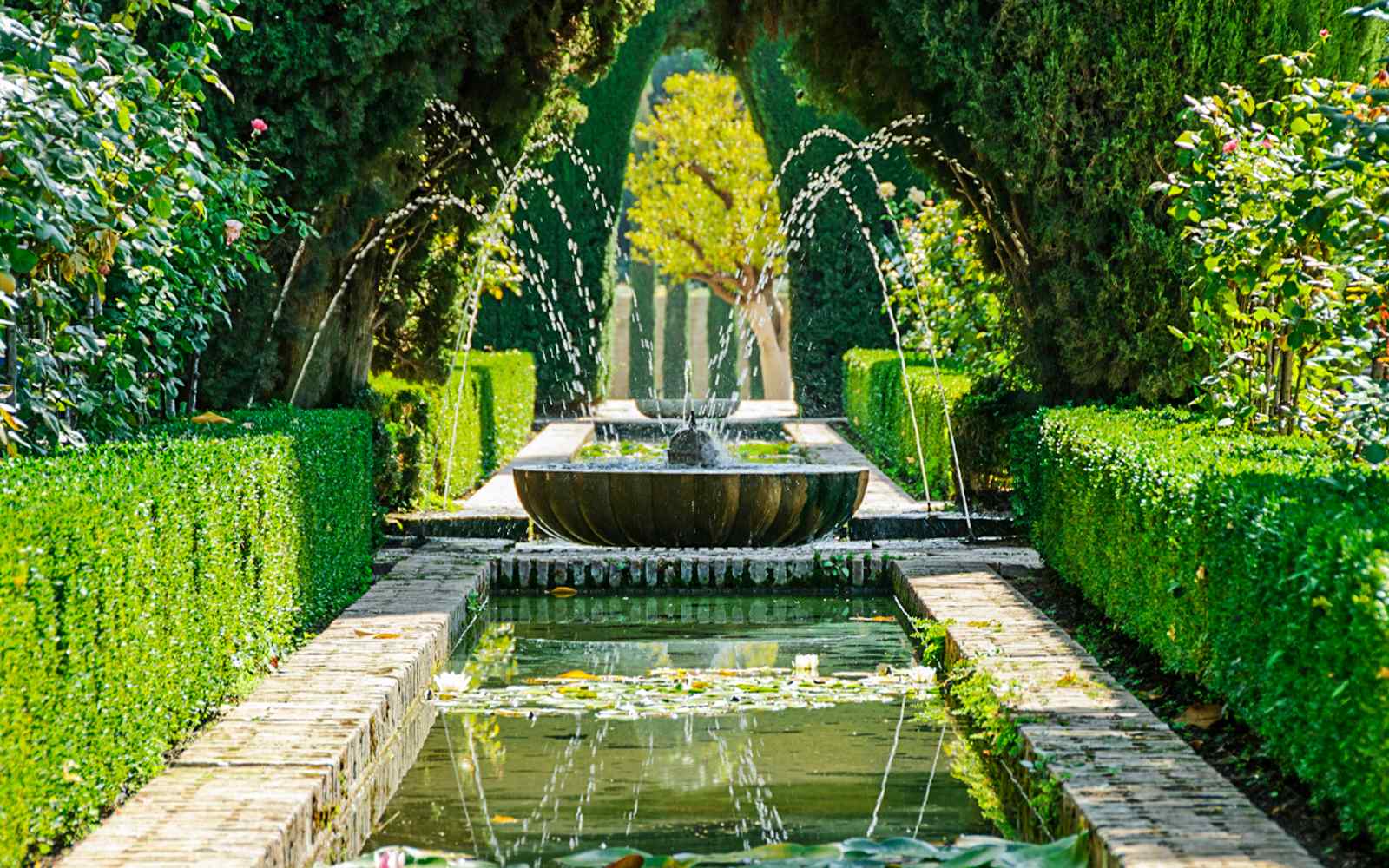
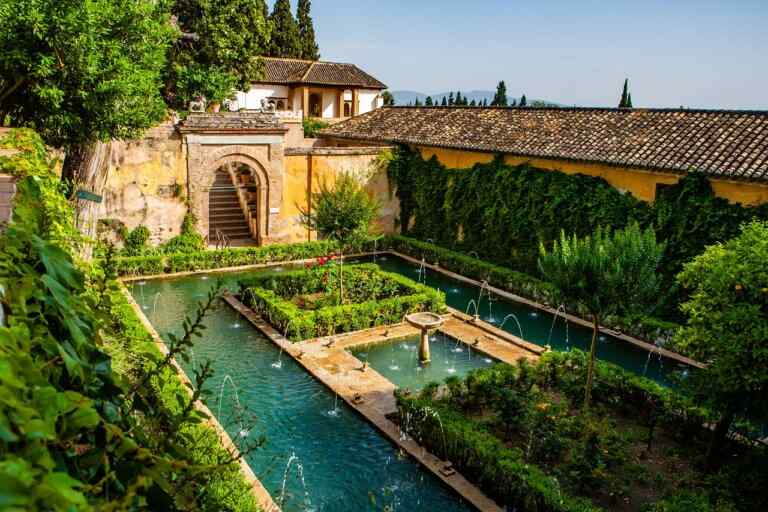
Terraced cypress gardens and flower beds in the upper Generalife gardens
Terraza 6 · Realejo, Granada

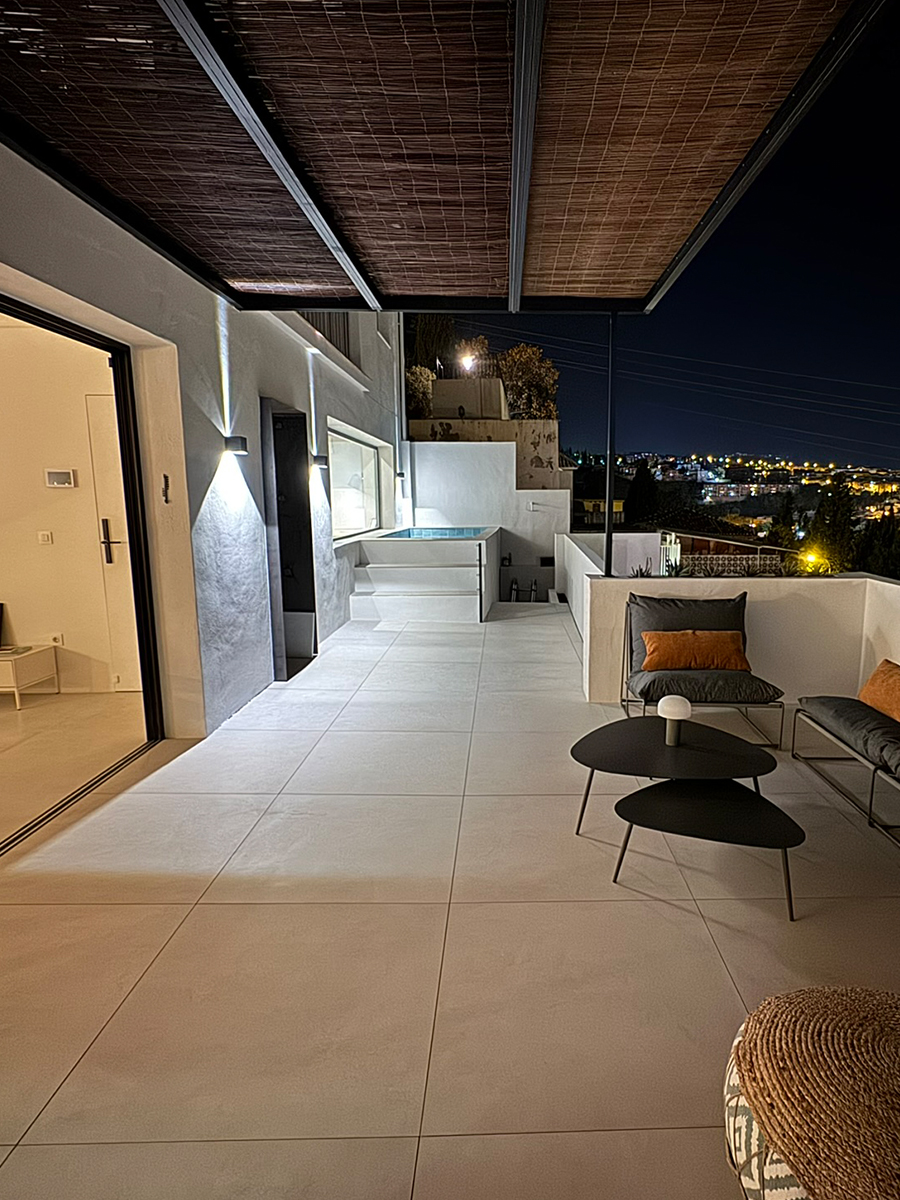
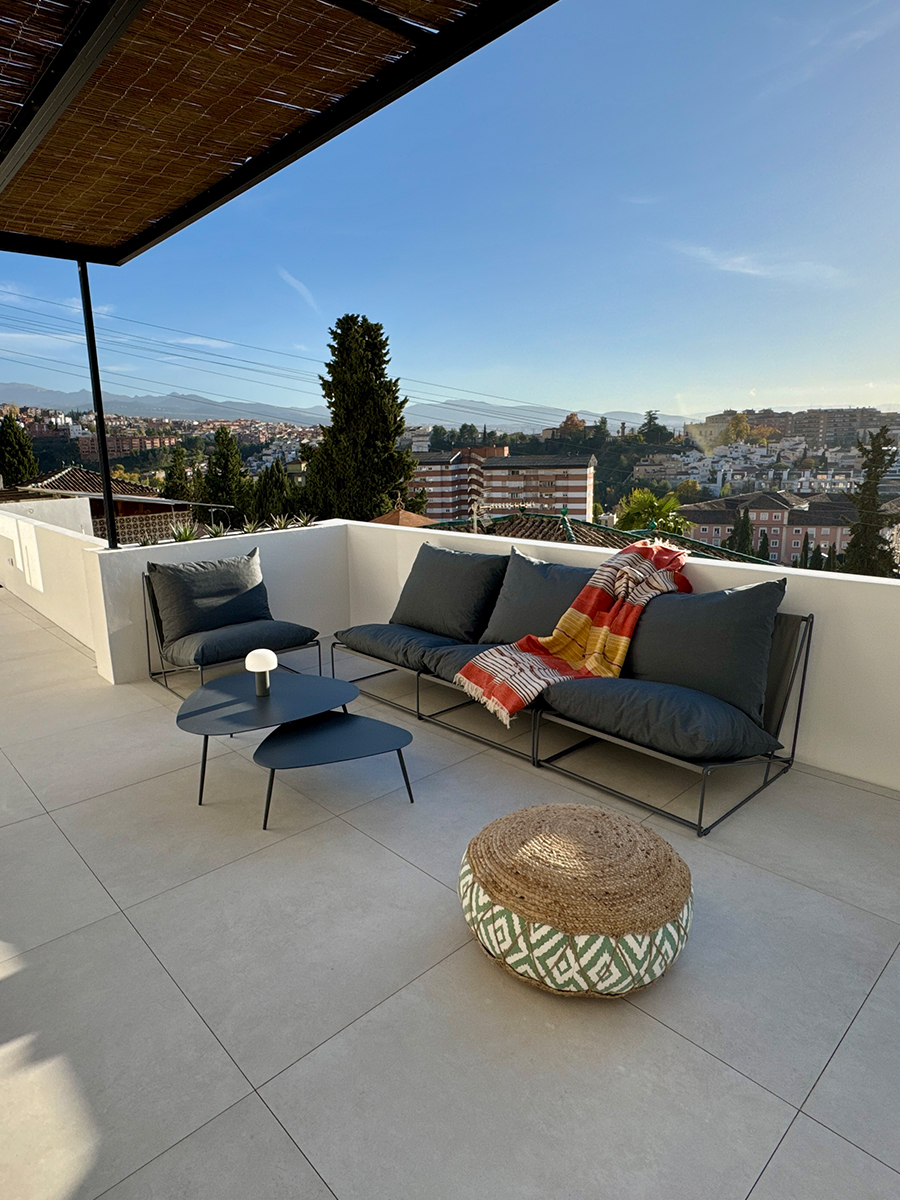
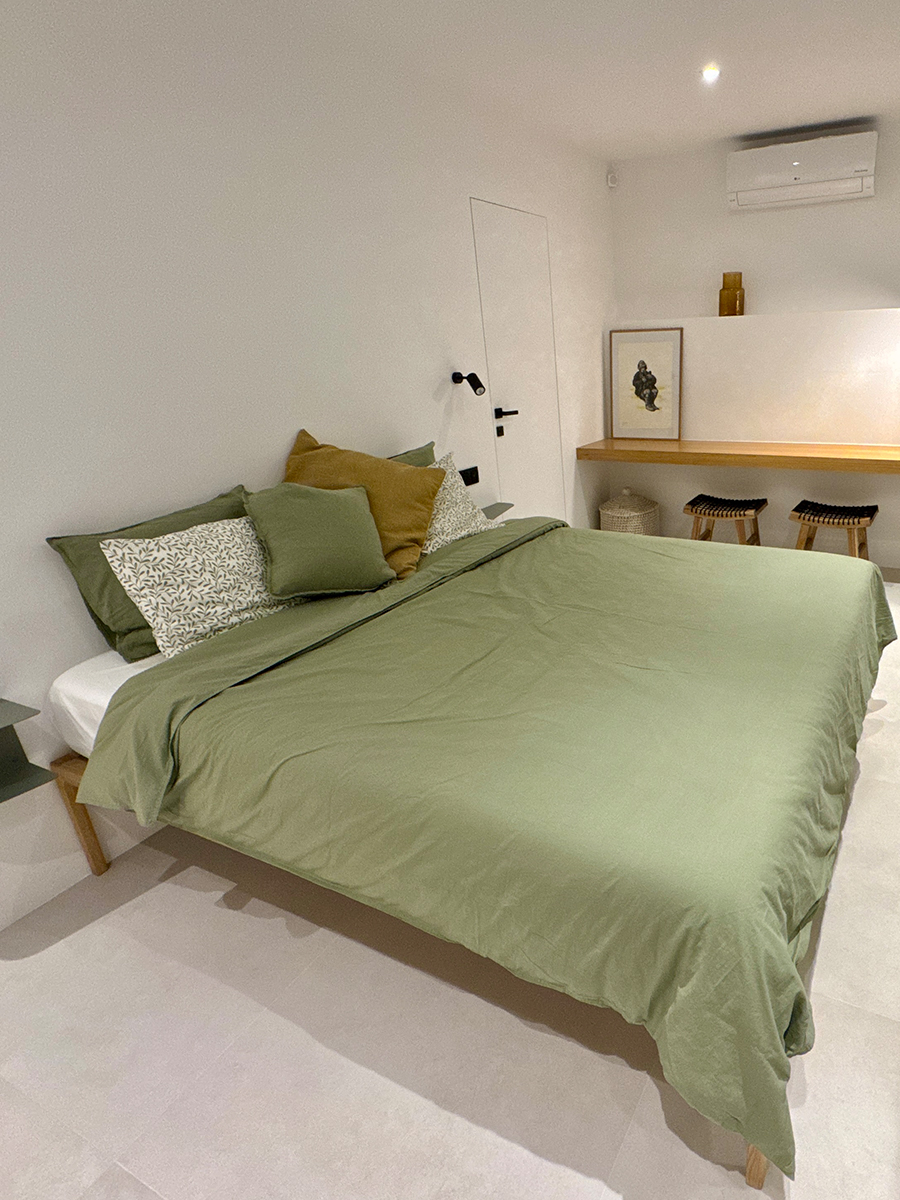
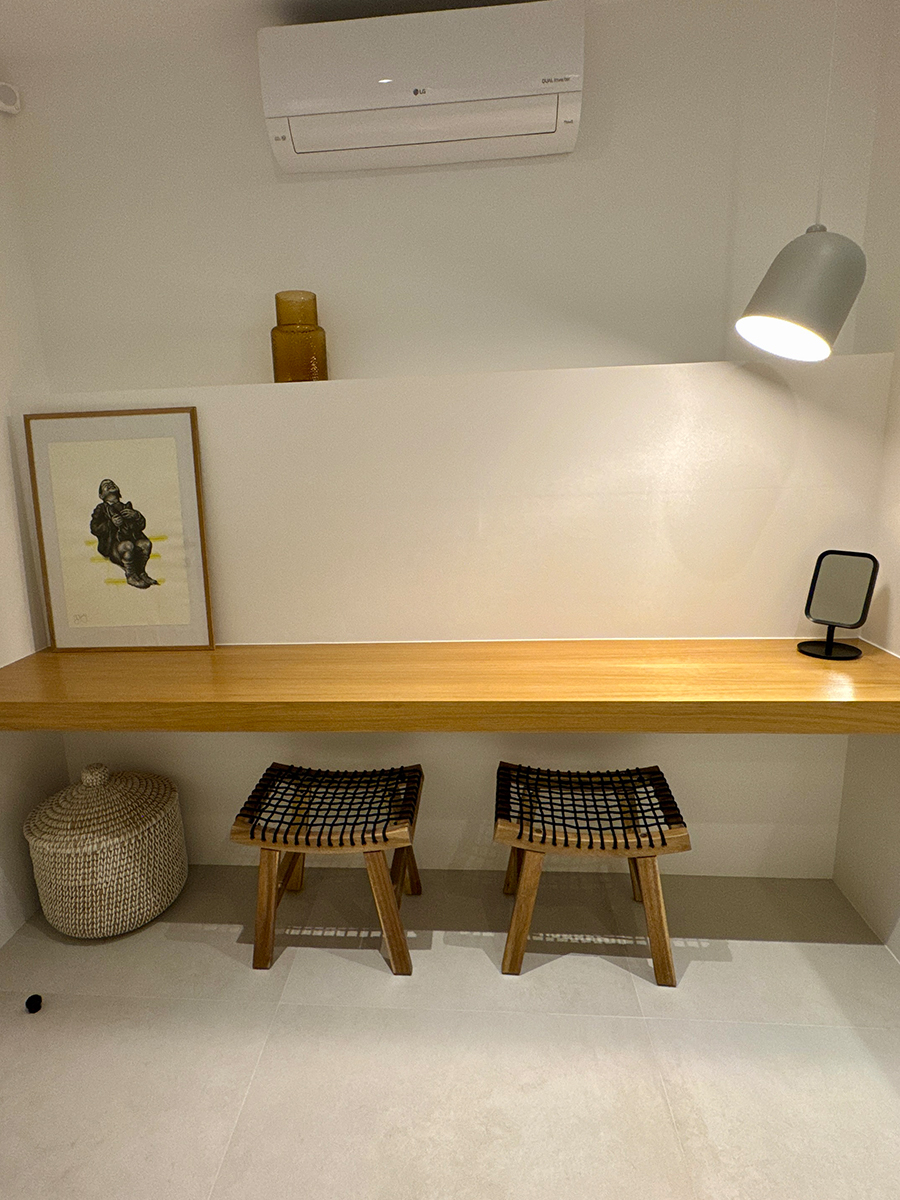
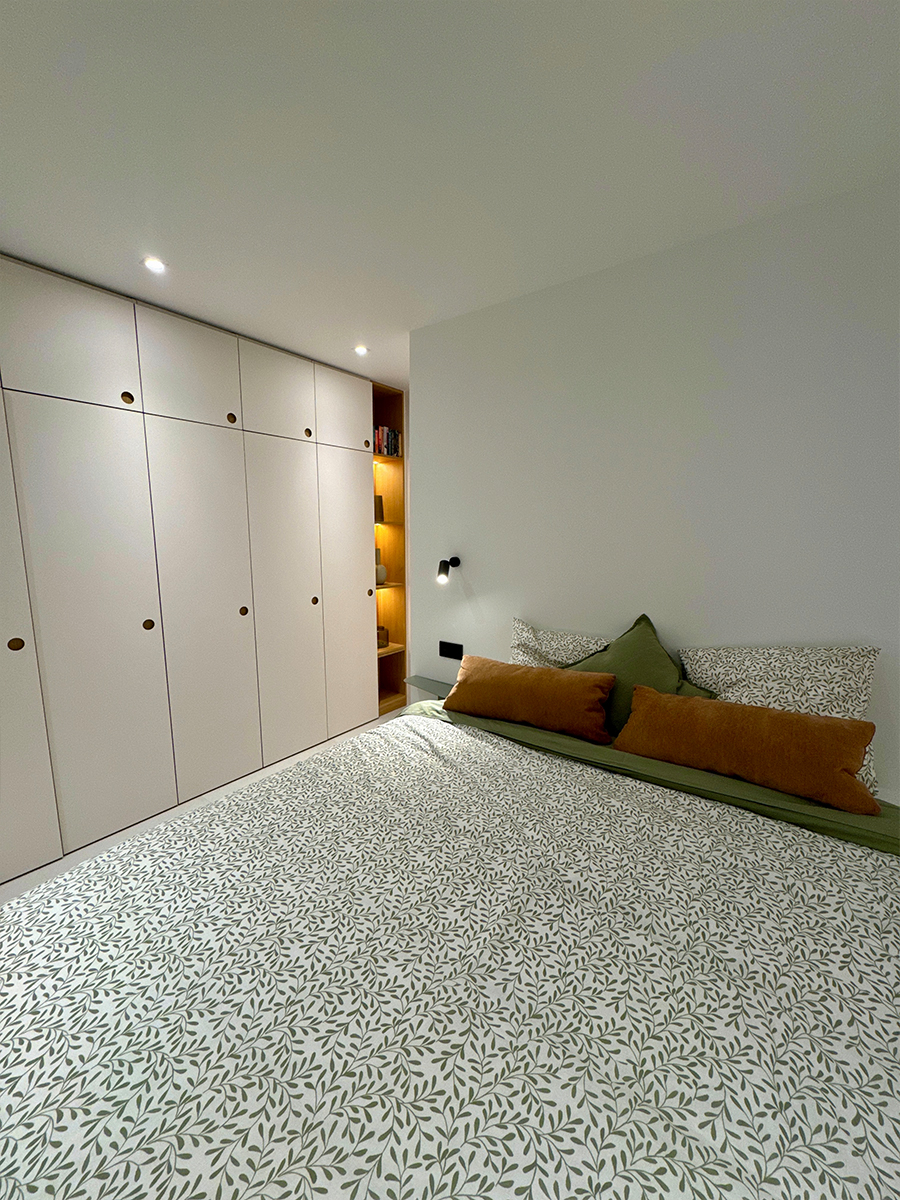
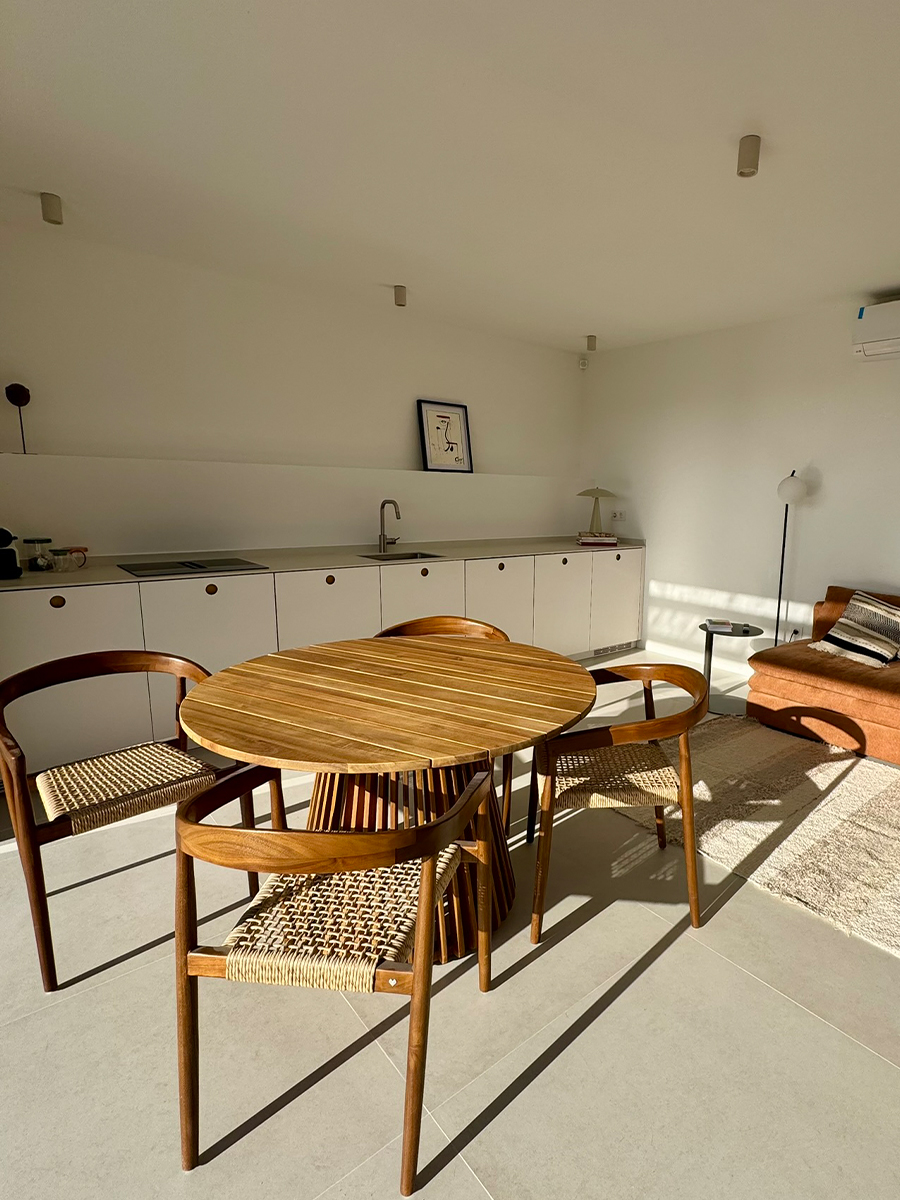
Terraza 6 is a private, luxury apartment in Granada's Realejo neighborhood, just 900 m from the Alhambra entrance. Enjoy your own private pool, a panoramic terrace with Alhambra views, free parking, and direct booking without commissions.

Check Availability
Original Nasrid palace rooms and porticoes in the lower Generalife buildings
04

4. The Lower Palace Buildings

Below the Patio de la Acequia, the lower palace structures retain more of the original Nasrid character than the upper gardens. These include residential and administrative rooms, decorated with stucco, tilework, and modest muqarnas (honeycomb vault details), though not to the ornamental intensity of the main Nasrid Palace. A portico with slender columns overlooks a small courtyard; rooms open onto galleries with views of the surrounding landscape. Fragments of painted plaster and carved stone suggest the rooms once hosted the sultan's family, administrators, and honored guests. The throne room—or a space serving that function—retains remnants of its status through architectural form, though much of the original decoration is lost. Walking through these lower buildings offers an intimate encounter with palatial life: narrower doorways, lower ceilings, smaller courtyards—a more livable, less ceremonial scale than the grandeur of the main palace.

05

5. Water as Architecture

Water is not mere ornament at the Generalife—it is architecture itself. The acequia system that feeds the palace and gardens demonstrates sophisticated hydraulic engineering. Channels carry water from sources higher up the hillside, distributing it through courtyards, down terraces, and into reservoirs. Fountains punctuate the landscape, their jets rising in rhythmic patterns. The sound of flowing water is ever-present, a constant, soothing backdrop that also masks external noise and creates an acoustic boundary around the palace. In Islamic garden design, water symbolizes paradise, eternal life, and divine grace; the Generalife's architects understood this at both spiritual and sensory levels. On hot Andalusian afternoons, the evaporative cooling provided by fountains and channels would have been essential comfort, yet also a visible symbol of the ruler's wealth and sophistication—the ability to command water in a semi-arid climate.

Water channel and fountain details showcasing Islamic hydraulic architecture
Cypress-lined walkway connecting the Alhambra palace to the Generalife
06

6. The Route Between Palaces

The journey from the main Alhambra palace to the Generalife is itself an experience. A cypress-lined walkway, known as the Paseo de los Cipreses (Path of the Cypresses), connects the two complexes. Along the way, you pass the Gate of the Pomegranates (Puerta de la Granada), a symbolic threshold between the formal palace and the leisure garden. The walk takes 5–10 minutes and offers changing perspectives on the surrounding landscape. The sequence matters: moving from the enclosed, architectural intensity of the Nasrid Palace and Alcazaba into the open, garden-focused Generalife allows the eye and mind to shift. Smart visitors time their route to allow this transition, arriving at the Generalife ready to slow down and absorb the subtler pleasures of water, light, and botanical design. If visiting in spring, the walkway itself may be shadowed by flowering wisteria; in winter, the bare cypress silhouettes create a different mood entirely.

Questions & Answers

Generalife – FAQ

The Generalife (Arabic: Jannat al-Arif, "the Architect's Garden") is the Nasrid summer palace and retreat at the Alhambra complex. Built in the 14th century, it sits on a separate hill connected to the main palace by a tree-lined walkway. Unlike the fortress-like presence of the Alcazaba or the palatial grandeur of the Nasrid Palace, the Generalife prioritizes tranquility: cascading terraces, the iconic Patio de la Acequia with its central water channel, and the carefully orchestrated sounds and sights of Islamic water gardens.

Yes. The Generalife is included in all general admission tickets to the Alhambra. You do not need a separate ticket. However, access is managed by the same timed-entry system as the main palace. If you purchase an Alhambra ticket, you should allow extra time to visit the Generalife, as the complex is expansive. A typical visit includes the Alcazaba, Nasrid Palace, and Generalife across 3–4 hours.

The Generalife is part of the UNESCO World Heritage site called "Alhambra, Generalife and Albaicín," so administratively it is part of the Alhambra complex. However, it sits on a separate, adjacent hill to the east, connected by a cypress-lined walkway. The separation is both physical and conceptual—it was designed as a distinct retreat space. Many visitors think of the Alhambra (Alcazaba and Nasrid Palace) and the Generalife as two complementary zones within the larger complex.

The Patio de la Acequia (Courtyard of the Water Channel) is the central, most iconic area of the Generalife. A long, narrow pool—the acequia—runs the length of a rectangular courtyard, flanked by columns, galleries, and flower beds. The water channel served both practical and aesthetic purposes: it cooled the air, created soothing sounds, and allowed the palace architects to use water as a design element. The proportions and symmetry are quintessential Islamic garden design, and it remains one of the most photographed spots in Granada.

The lower palace buildings retain original Nasrid structures and some decorative elements. The upper gardens and most of the plantings (cypress hedges, flower beds, fountains) are the result of 20th-century restoration and replanting, particularly work done in the 1920s–1950s. However, they follow the original Nasrid design principles and spatial logic. The water channels and major architectural features (terraces, walls, gateways) are original or closely restore original positions. If you visit, you're experiencing an educated restoration rather than a perfectly preserved 14th-century garden, but the essence and experience are faithful to Nasrid intentions.

A thorough visit to the Generalife alone takes 1–2 hours, depending on pace and photography. If you are visiting the entire Alhambra complex (Alcazaba, Nasrid Palace, and Generalife), plan 3–4 hours total. The Generalife is less crowded than the Nasrid Palace, so you may find it easier to linger and absorb the atmosphere. Early morning or late afternoon visits tend to be quieter, allowing more peaceful exploration.

Spring (March–May) is ideal: temperatures are mild, and the gardens burst into bloom with roses, wisteria, and flowering bulbs. Late afternoon (4–6 PM in summer) provides golden light and fewer crowds. Summer (July–August) is hot; if you visit then, go early morning or late afternoon. Autumn (September–October) offers pleasant weather and autumn light. Winter is mild in Granada but shorter days mean less time to explore; however, cypress silhouettes are dramatic and visitor numbers are low. Avoid midday summer heat and peak morning hours in spring and summer.

Terraza 6

Staying Near the Alhambra?

Terraza 6 is a private, luxury apartment in Granada's Realejo neighborhood, just 900 m from the Alhambra entrance. Enjoy your own private pool, a panoramic terrace with Alhambra views, free parking, and direct booking without commissions.

No booking fees. Direct contact with the owners.
Terraza 6 Luxury Apartment

A Genuinely Special Place to Stay in Granada

Terraza 6 is a luxury apartment in Granada with a private pool, a spacious terrace with panoramic city views, and every comfort you'd want during a stay in Andalusia. It's designed for people who want more than a standard rental — somewhere with real character, thoughtful details, and a direct link to one of Spain's most remarkable cities.

The Alhambra, the Albaicín, and some of the best tapas bars in the country are all within easy reach. We know Granada well and share everything we've learned with every guest — from the most useful practical tips to the places most visitors never find.

Booking direct means you deal with us personally. We're easy to reach and happy to help before, during, and after your trip.

Discover Apartment