1. History and Context
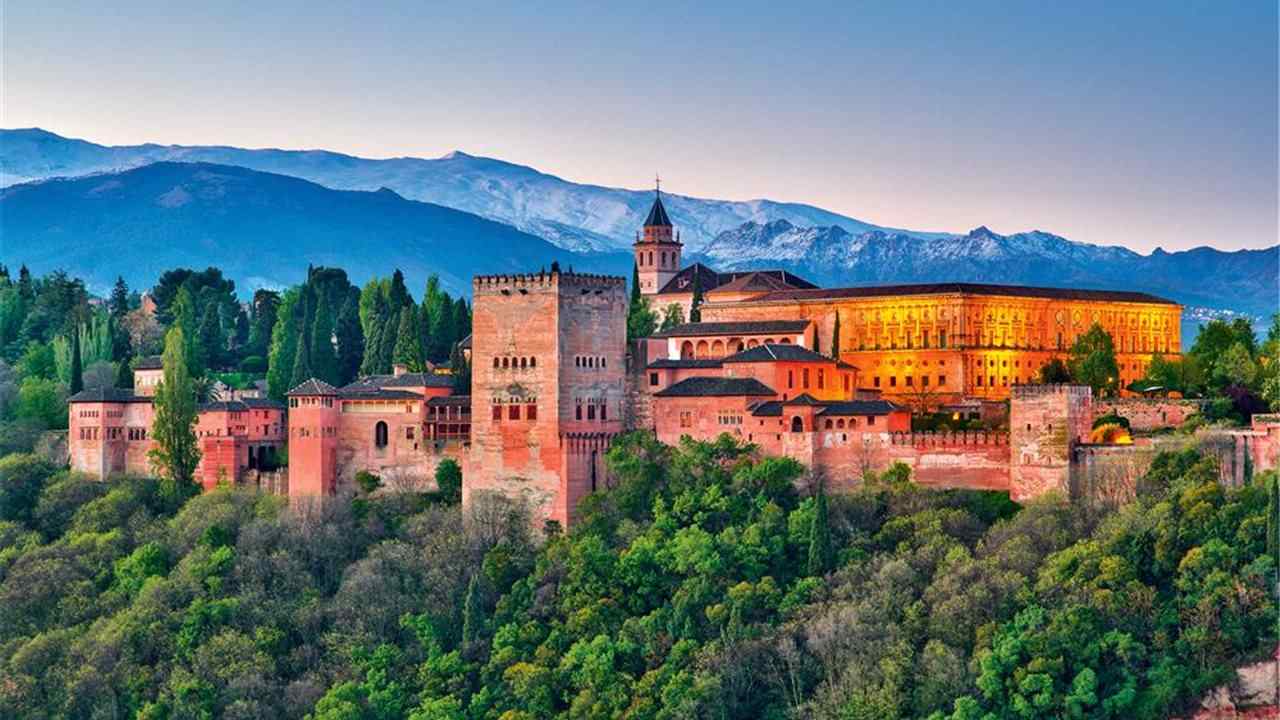
Charles V, the Holy Roman Emperor and King of Spain, ordered the construction of this palace in 1527, shortly after inheriting Granada as part of the Spanish crown. The site was chosen at the heart of the Alhambra, on the western edge of the Nasrid palace complex. The architect was Pedro Machuca, a Spanish Renaissance master who had studied in Italy and brought Italian design principles directly to Granada. Machuca had no precedent to follow at the Alhambra; he was creating something entirely new — a statement that the Christian monarchy now controlled the fortress and would leave its own architectural mark. The palace was conceived as a royal residence, though Charles V never actually lived there. Construction continued through the 16th century but was never fully completed. The roof and some interior elements were never finished, leaving the palace in a uniquely unfinished state that has become central to its identity.
2. The Circular Courtyard
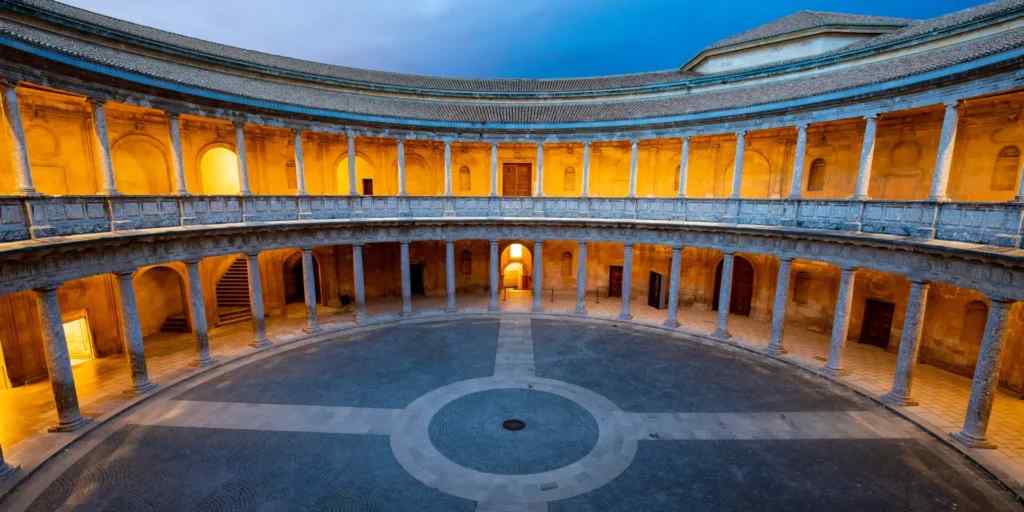
At the heart of the palace lies its most distinctive feature: a perfectly circular colonnaded courtyard approximately 63 metres in diameter. This courtyard has almost no parallel in Renaissance architecture. It is surrounded by a two-storey arcade of marble columns in the classical orders — Doric on the ground level, Ionic on the upper level. The circularity was likely influenced by classical Roman amphitheatres and Renaissance architectural theory, but its application in a royal palace was revolutionary. The courtyard is open to the sky (the palace was never roofed), creating an unusual relationship between interior and exterior space. Walking around this courtyard is a meditative experience; its proportions are so perfectly balanced that it feels fundamentally different from the angular gardens and courtyards of the Nasrid palaces.
3. The Main Facade
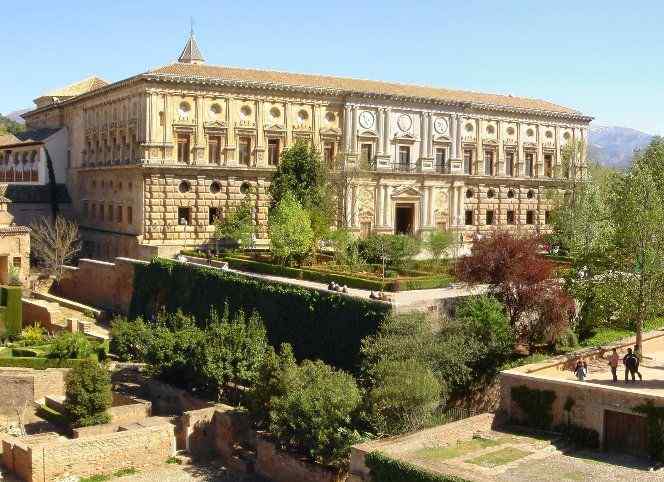
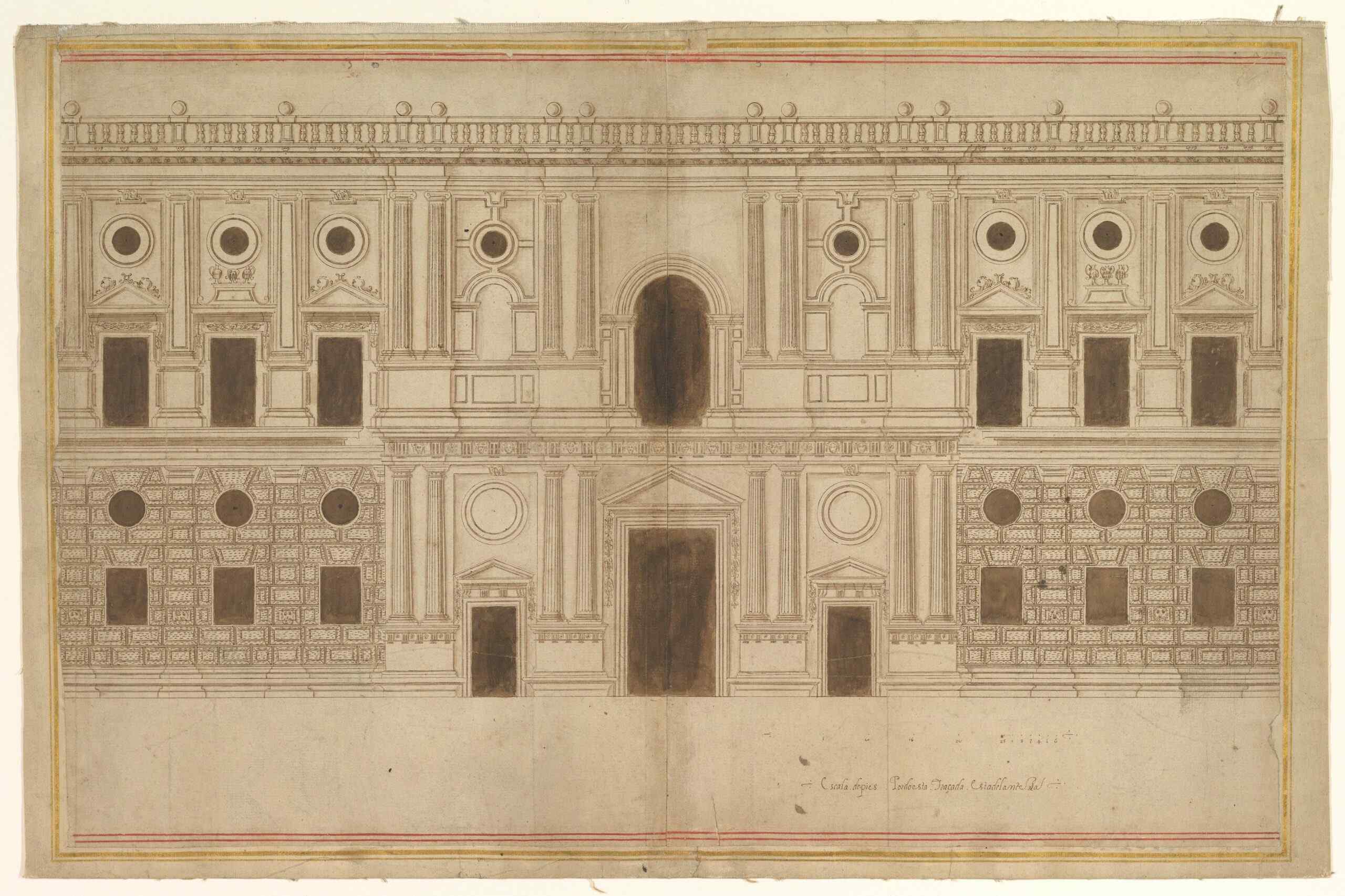
The south and west facades of the palace are the most elaborately decorated sections. They display relief carvings, medallions, and ornamental stonework characteristic of high Renaissance architecture. The main entrance is framed by a grand portal with classical proportions. Medallions featuring profile portraits and heraldic motifs decorate the upper sections of the facade, a common element of Renaissance palace design. The stonework is finely executed and weathered by nearly 500 years of exposure. The facade faces the interior of the Alhambra complex, not the city, emphasizing that this building was meant to be experienced from within the fortress rather than as a statement to Granada below. The contrast between the geometric purity of the circular courtyard and the ornamental richness of the facades creates the palace's most compelling tension.