The most visited monument in Spain and one of the world's great architectural achievements. A guide to the Nasrid Palaces, Alcazaba, Generalife, and everything worth knowing before your visit.
The Alhambra is the most visited monument in Spain, and one of the most architecturally significant buildings in the world. It stands on Sabika Hill above Granada — a complex of palaces, military fortifications, and gardens that developed over several centuries, with the most important elements dating from the 13th and 14th centuries under the Nasrid dynasty. UNESCO granted it World Heritage status in 1984, together with the Albaicín neighbourhood below.
The complex is divided into four main areas: the Alcazaba (the original military fortress), the Palacios Nazaríes (the royal palace suite, the architectural highlight of the complex), the Generalife (the Nasrid summer palace and its gardens outside the main walls), and the Palace of Charles V (a Renaissance structure added in 1527). The Nasrid Palaces require a timed entry ticket and are the busiest section — book as far ahead as possible, particularly in spring and summer. Below is a guide to the ten areas and buildings worth knowing before you go.
Check Availability From Terraza 6 in Realejo
The four main areas of the Alhambra: Alcazaba (military fortress), Palacios Nazaríes, Generalife gardens, and the Palace of Charles V.
The centrepiece of the Alhambra and the section that requires a timed entry ticket. The Nasrid Palaces are divided into three interconnected parts: the Mexuar (a council and administrative hall, the oldest surviving section), the Comares Palace (the official royal residence, containing the Throne Room and the famous Patio de los Arrayanes with its central reflecting pool), and the Palace of the Lions (Muhammad V's private residential quarters, built in the late 14th century). The density of carved stucco, geometric tilework, and muqarnas ceilings here is unlike anything else in the Western world.
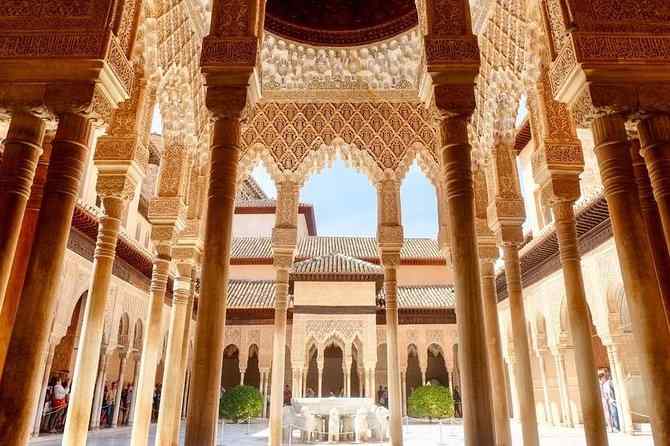
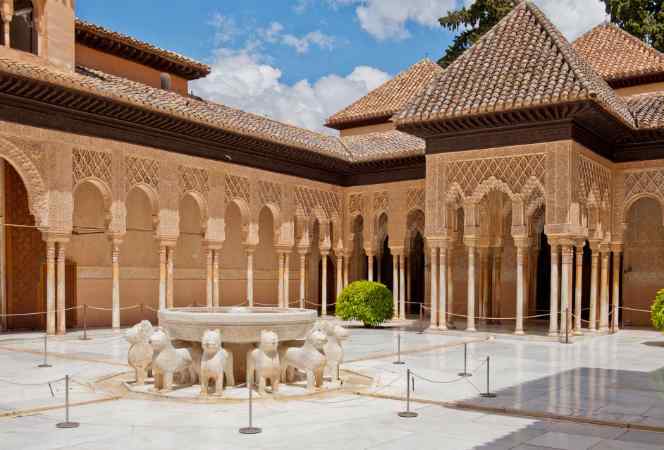
The central courtyard of the Palace of the Lions, built by Muhammad V around 1370. The famous fountain is supported by 124 white marble lions, and the courtyard itself is surrounded on all four sides by colonnaded galleries with filigree arches. Four water channels divide the courtyard, following the traditional Islamic garden layout. The Hall of the Abencerrajes and the Hall of the Two Sisters open off this courtyard — both with extraordinary muqarnas ceiling vaults.
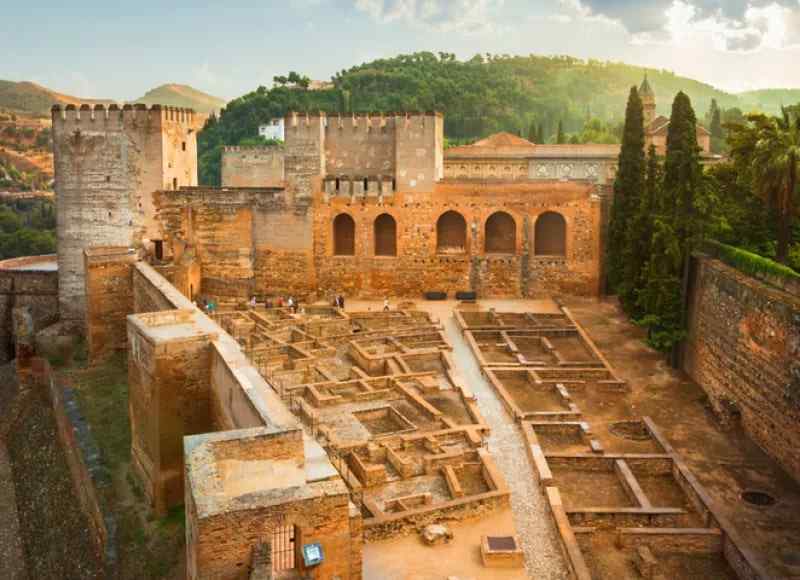
The oldest part of the Alhambra complex, dating from the 9th and 10th centuries — predating the Nasrid dynasty. The Alcazaba is the military fortress at the westernmost tip of the hill, and its towers (particularly the Torre de la Vela) give the widest panoramic views over Granada, the Albaicín, and the Sierra Nevada. Walking the parapet walls here gives a strong sense of the site's original defensive purpose before the palace buildings were added.
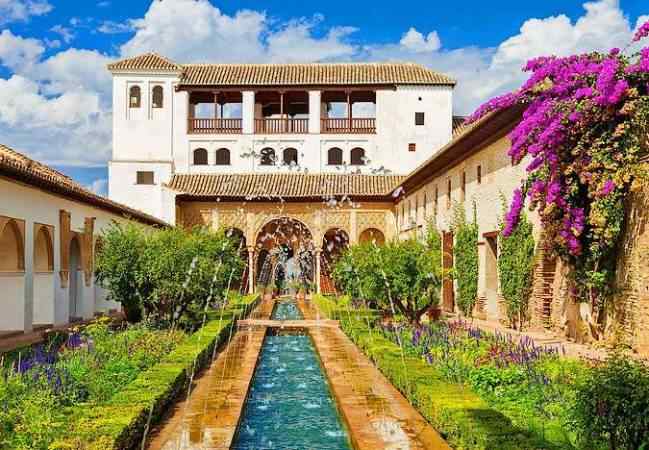
The Nasrid summer palace, situated on the next hill east of the main Alhambra complex and connected to it by a walkway. The main feature is the Patio de la Acequia — a long courtyard with a central water channel flanked by flower beds and fountains. The terraced gardens above are considerably later (20th-century restoration), but the lower palace buildings and courtyards retain much of their original character. A welcome contrast to the enclosed interiors of the Nasrid Palaces.
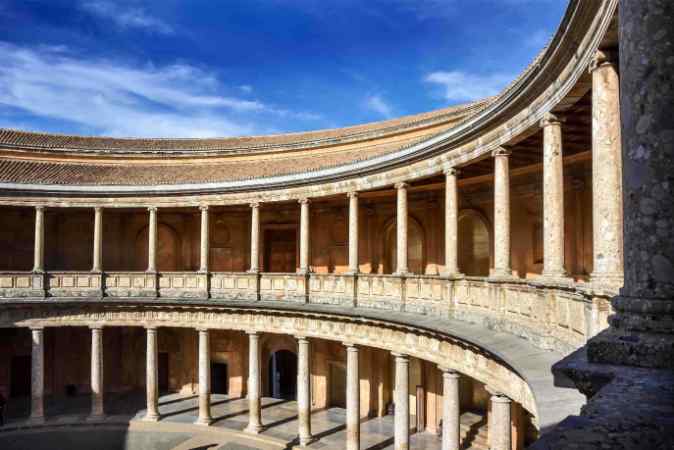
An imposing Renaissance palace begun in 1527 by the architect Pedro Machuca, set incongruously among the Moorish buildings of the Alhambra. It was never fully completed and remained roofless for several centuries. The interior contains a remarkable circular colonnaded courtyard — a design without precedent in Spanish architecture at the time. The palace now houses two museums: the Museo de la Alhambra (Nasrid-era objects and artefacts) and the Museo de Bellas Artes Granada.
Stay 900 m from the Alhambra — private apartment with pool, terrace, and direct booking.
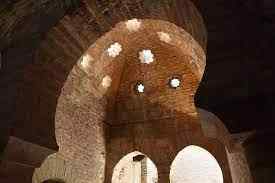
The royal baths attached to the Comares Palace — one of the most complete surviving examples of a Nasrid-era hammam. The bathing halls are lit by star-shaped apertures in the vaulted ceiling, a design that also served to regulate ventilation and temperature. The layout follows the traditional cold-warm-hot sequence, similar in structure to Roman baths but distinctly Moorish in decoration and atmosphere.
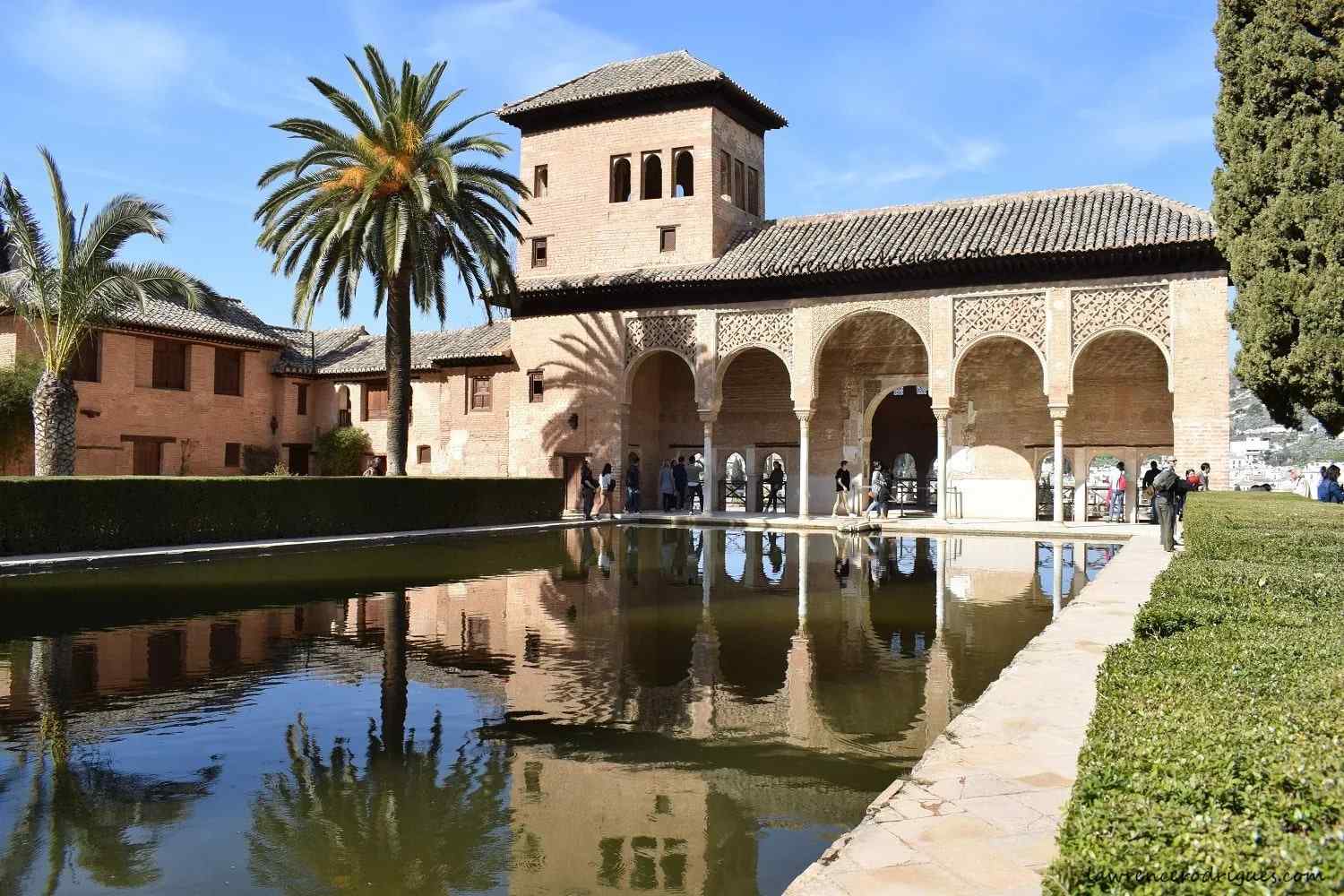
The Partal is the oldest surviving palace within the Alhambra — a portico (Torre de las Damas) overlooking a large rectangular reflecting pool, built in the early 14th century. The surrounding gardens were laid out in their current form in the early 20th century, but the portico itself and the tower above it are original. It's a quieter part of the complex and often less crowded than the Nasrid Palaces — worth the detour for the reflection of the arches in the water.
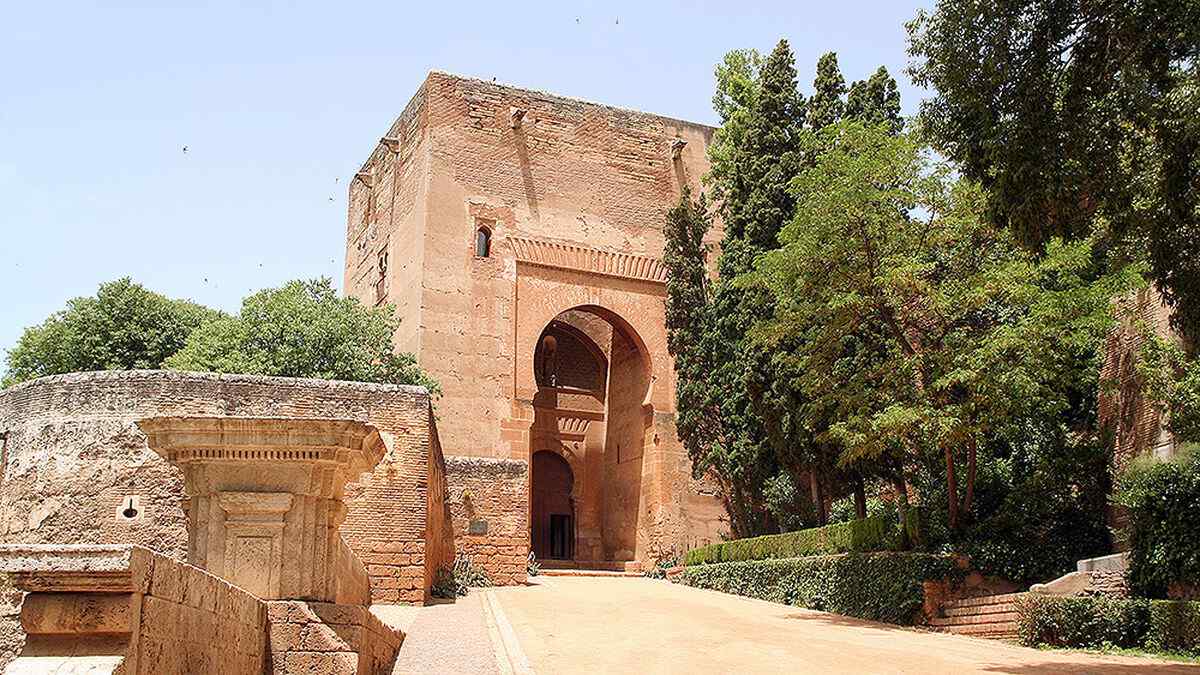
The main gate of the Alhambra, built in 1348 by Sultan Yusuf I. The horseshoe arch above the entrance is carved with a hand and a key — symbols whose exact meaning remains debated, but which were intended to communicate divine authority. The gate was the primary entrance to the fortress from the city below and gives a sense of the original scale and defensive purpose of the complex as you approach from Cuesta de Gómez.
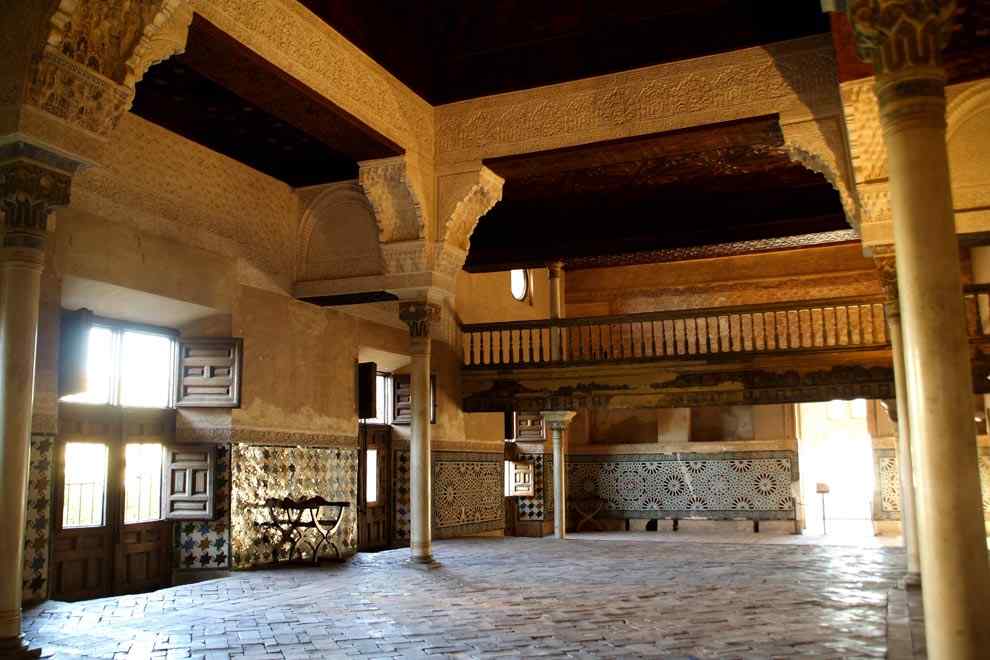
A small prayer hall attached to the Mexuar — the administrative section of the Nasrid Palaces. The oratory contains a mihrab (prayer niche indicating the direction of Mecca) and has windows looking out over the Albaicín, making it one of the most striking viewpoints inside the complex. After 1492 it was converted to a Christian chapel; what you see today is a mix of both periods, which itself tells an interesting story about the building's history.
A ruined watchtower on the hill directly above the Generalife, reached via the Bosque de la Alhambra walking paths. The view from here is genuinely unusual — looking down over the Alhambra complex from above rather than up at it from the city. It takes about 25–30 minutes to reach on foot from the main Alhambra entrance. Not on the main tourist circuit, which means you'll likely have it almost to yourself.
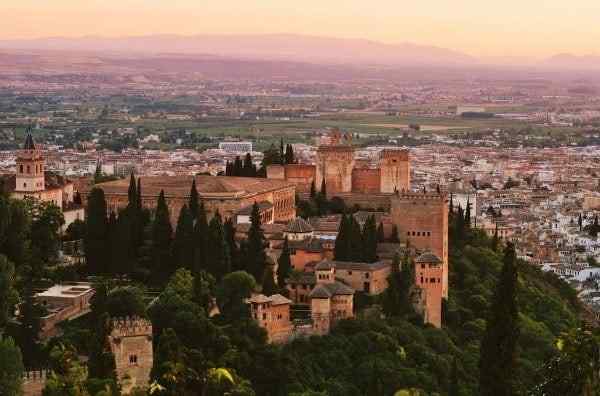
The Alhambra is the most visited monument in Spain, and one of the most architecturally significant buildings in the world. It stands on Sabika Hill above Granada — a complex of palaces, military fortifications, and gardens that developed over several centuries, with the most important elements dating from the 13th and 14th centuries under the Nasrid dynasty. UNESCO granted it World Heritage status in 1984, together with the Albaicín neighbourhood below.
Spring (April and May) and autumn (September and October) offer the most comfortable visiting conditions — mild temperatures and good light. Summer is the busiest period; visitor numbers are high and the Nasrid Palaces can feel crowded even with timed entry. In winter the site is quieter and often uncrowded, though some areas may have reduced hours. Avoid public holidays and Spanish long weekends (puentes) regardless of season.
As early as possible — ideally two to three months ahead if you're visiting in spring or summer. The Nasrid Palaces have strict visitor caps with timed entry slots, and these sell out well in advance during peak periods. If you leave booking to the last minute, you may find only expensive guided tours available. Tickets are sold through the official Patronato de la Alhambra website.
Allow a minimum of three to four hours for a thorough visit covering the Nasrid Palaces, Alcazaba, and Generalife. If you add the Charles V Palace museums and the Partal gardens, five hours is a comfortable estimate. The site is physically large — good walking shoes matter, especially if you walk up from the city. Factor in queue time at the entrance even with pre-booked tickets.
A General ticket covers all areas: the Nasrid Palaces (with a timed entry slot), the Alcazaba, the Generalife, and the Charles V Palace. It is what most visitors need. The Nasrid Palaces timed slot means you must arrive at the specified time for that section; the rest of the complex can be visited before or after. Children under 12 enter free of charge.
The most common pedestrian route is via Cuesta de Gómez and then Cuesta Empedrada — roughly 20 to 25 minutes from Plaza Nueva. The Alhambra Bus (minibus lines C3 and C4) runs from Plaza Nueva to the main entrance and is a convenient option. Taxis are also readily available. From Terraza 6 in Realejo, the walk to the main entrance takes around 20 minutes.
Yes — children are welcome throughout the complex and children under 12 enter free. The site is large and involves considerable walking; younger children may find the interiors of the Nasrid Palaces tiring. The Generalife gardens and the Alcazaba parapet walls tend to hold children's interest better. Pushchairs are not practical on many of the paths.
Terraza 6 is a private apartment in Realejo, about 900 m from the Alhambra entrance. Private pool, panoramic terrace, free parking, and direct booking.
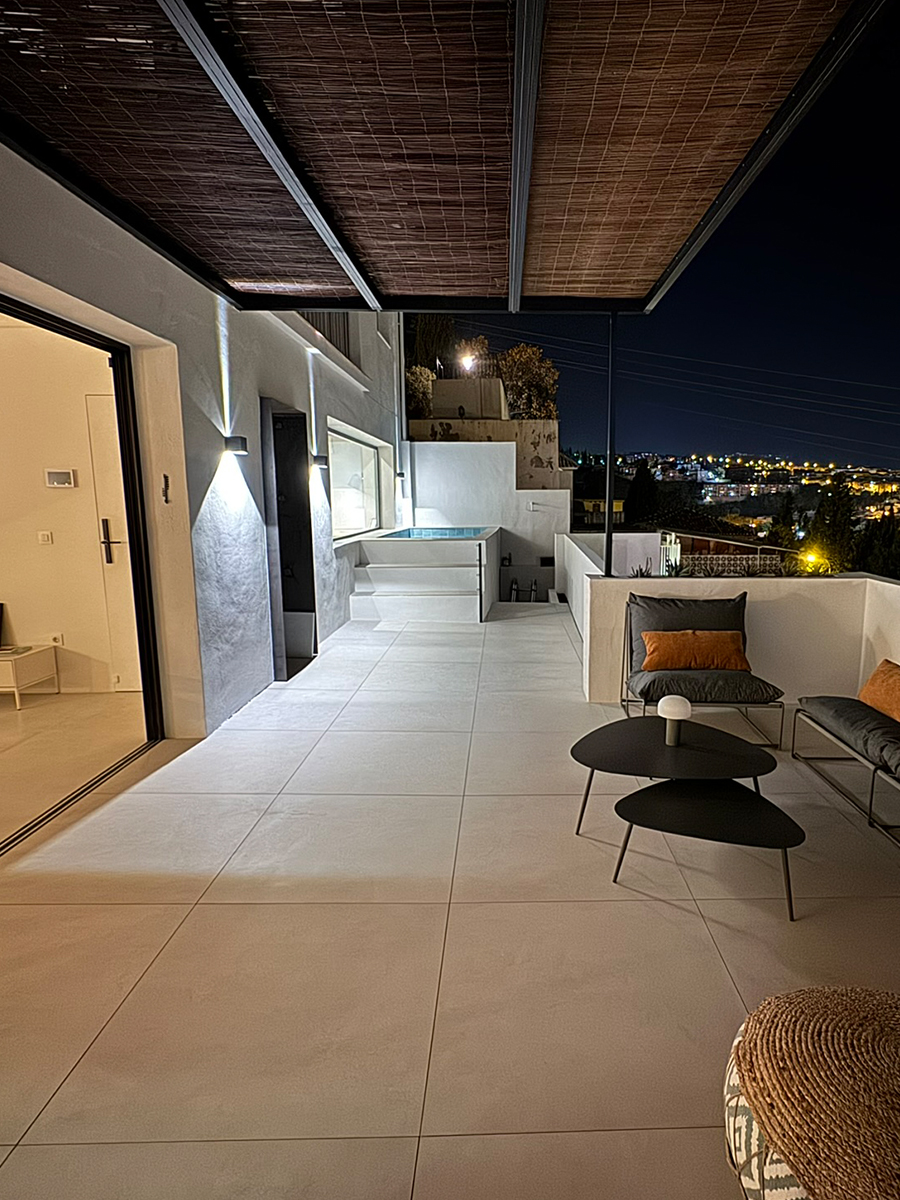
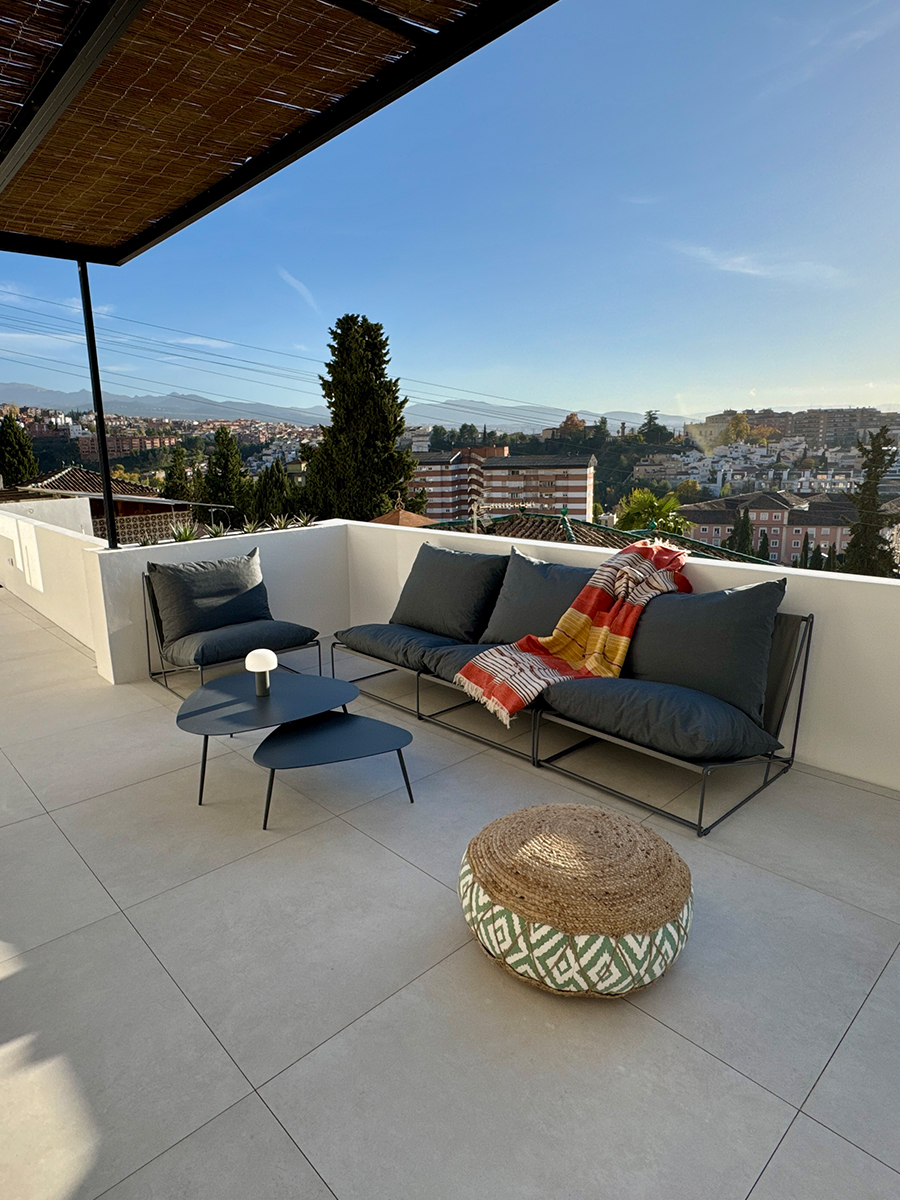
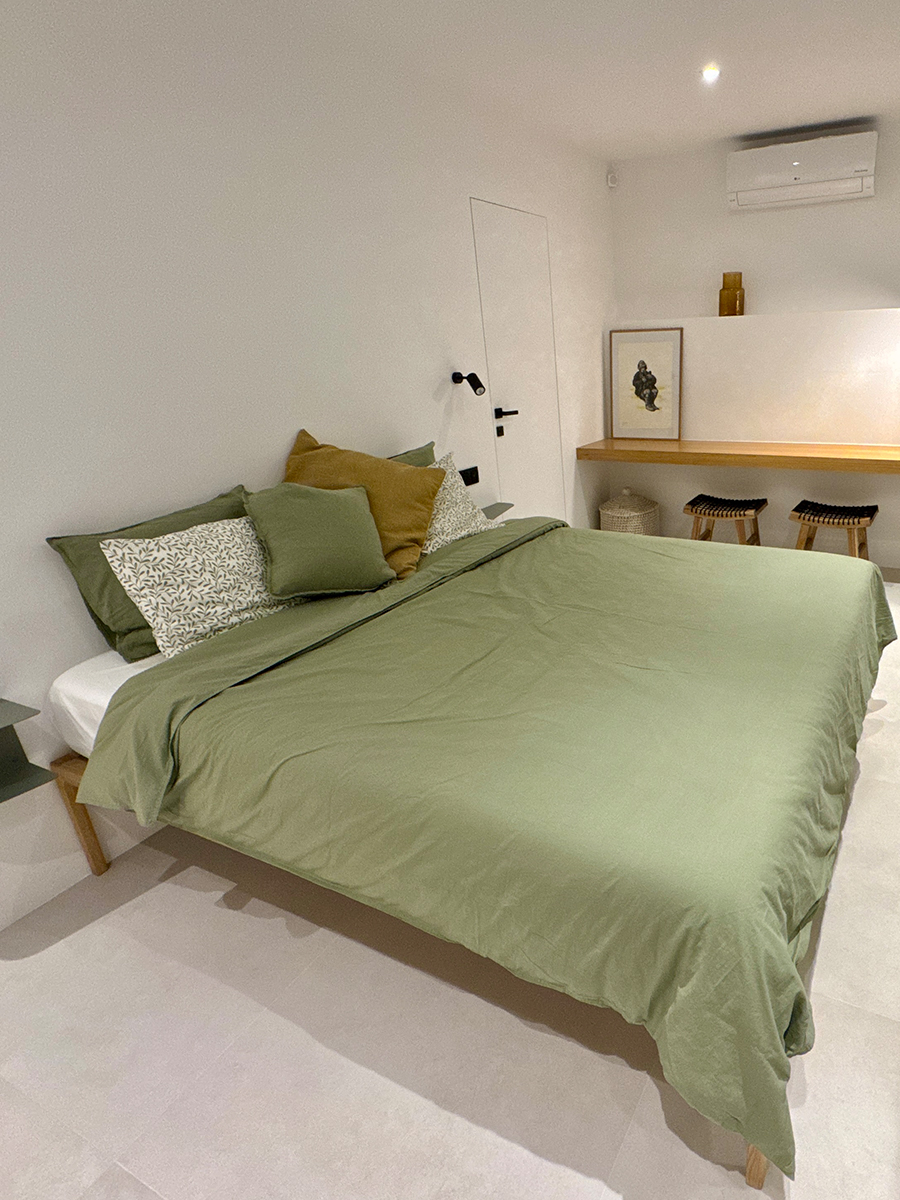
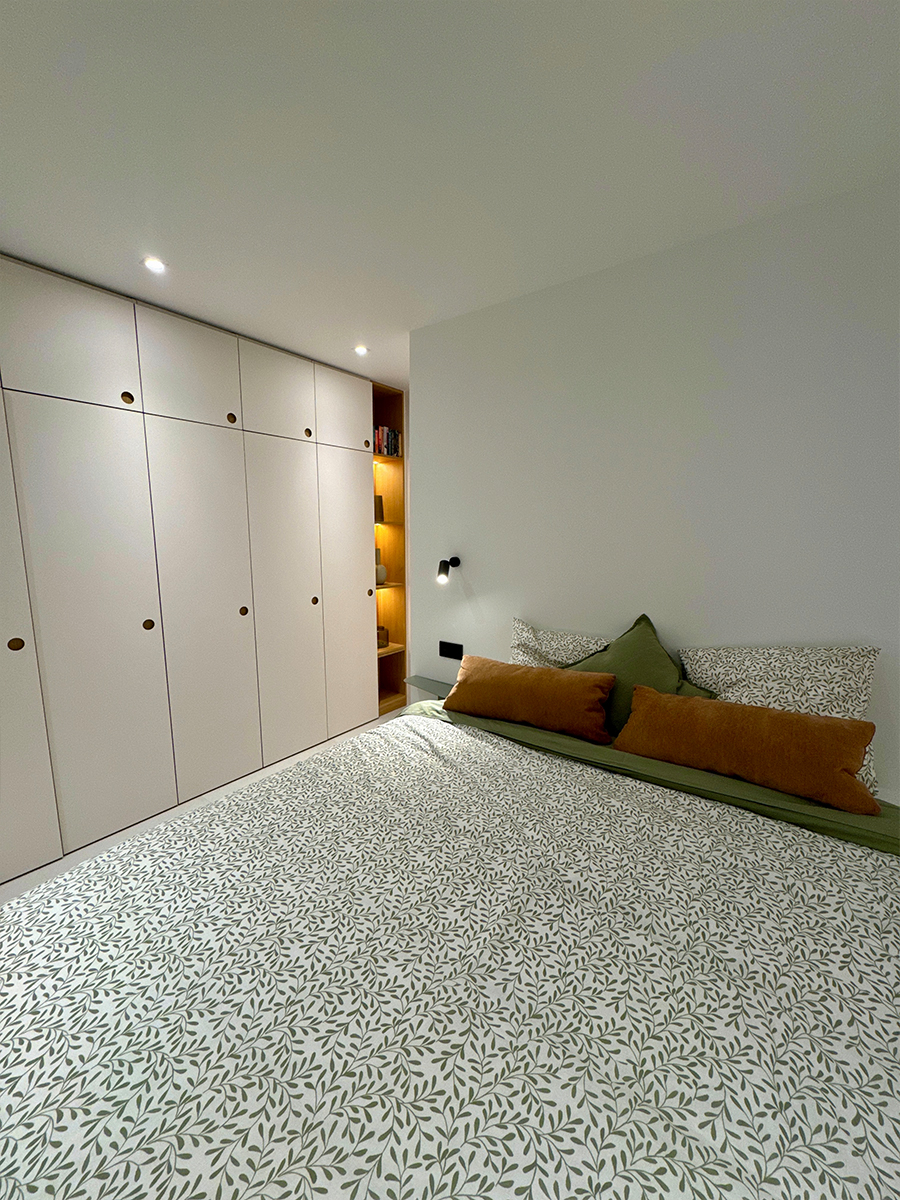
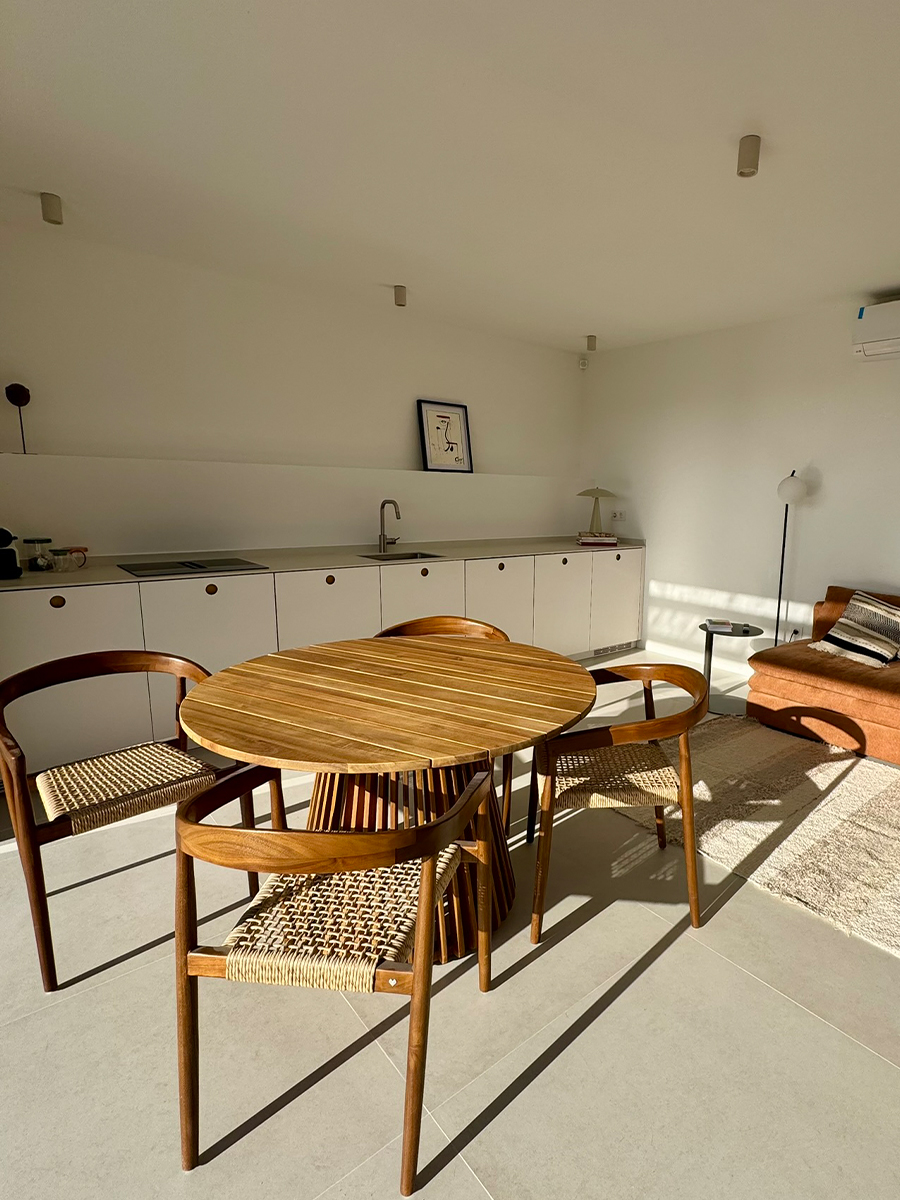
900 m · Realejo, GranadaTerraza 6 is a luxury apartment in Granada with a private pool, a spacious terrace with panoramic city views, and every comfort you'd want during a stay in Andalusia. It's designed for people who want more than a standard rental — somewhere with real character, thoughtful details, and a direct link to one of Spain's most remarkable cities.
The Alhambra, the Albaicín, and some of the best tapas bars in the country are all within easy reach. We know Granada well and share everything we've learned with every guest — from the most useful practical tips to the places most visitors never find.
Booking direct means you deal with us personally. We're easy to reach and happy to help before, during, and after your trip.